Compare software, understand costs, and plan your next step.
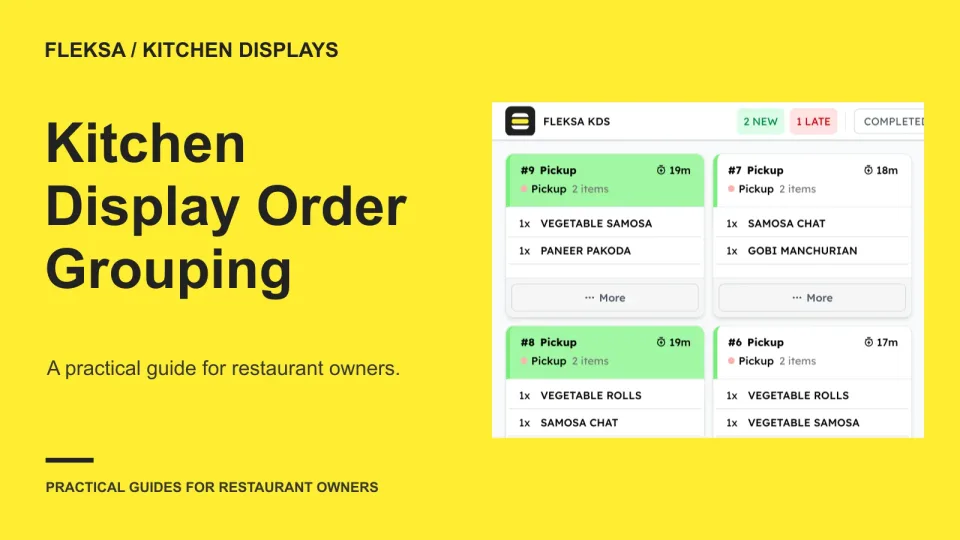
A whole-order display helps the kitchen see what belongs together. Item-level tickets can make station work clearer. Use a sample order, an assembly check and a vendor demonstration to decide which view fits your service.
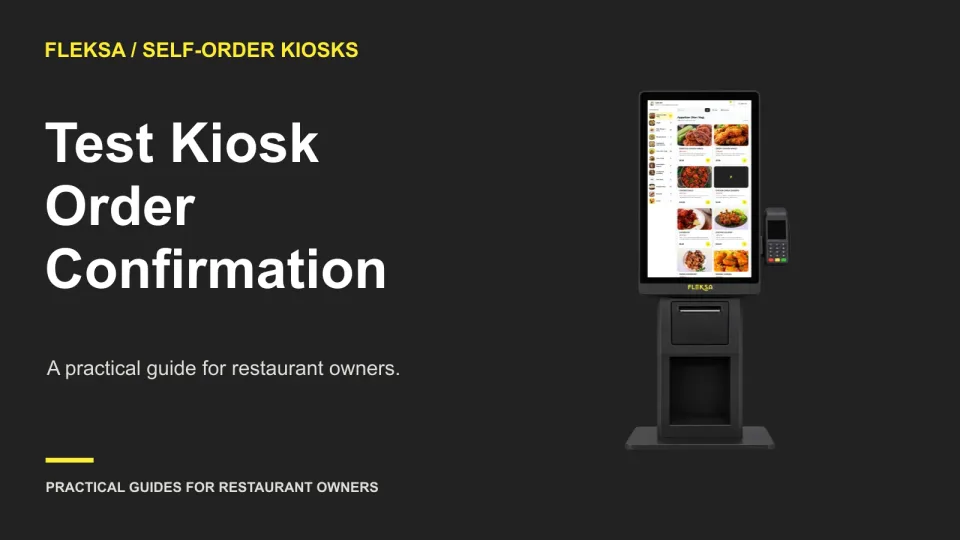
A kiosk review screen should let guests spot and fix mistakes before committing. Use this hypothetical cart and acceptance test to check edits, discounts, fulfillment details and the final action without sending a real order.
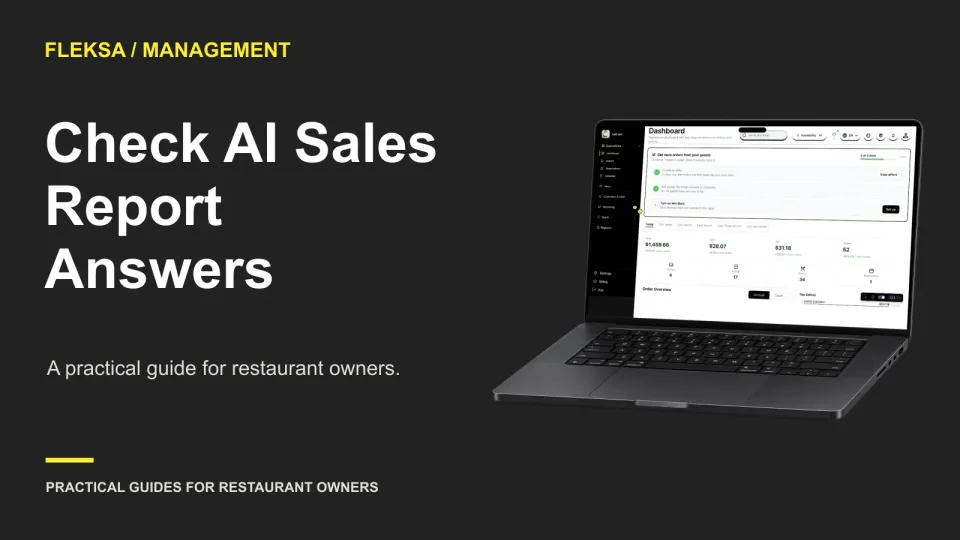
A confident AI answer can still use the wrong dates or add the wrong rows. Use this five-question test to compare an assistant’s answers with a sample sales report before relying on it for restaurant decisions.
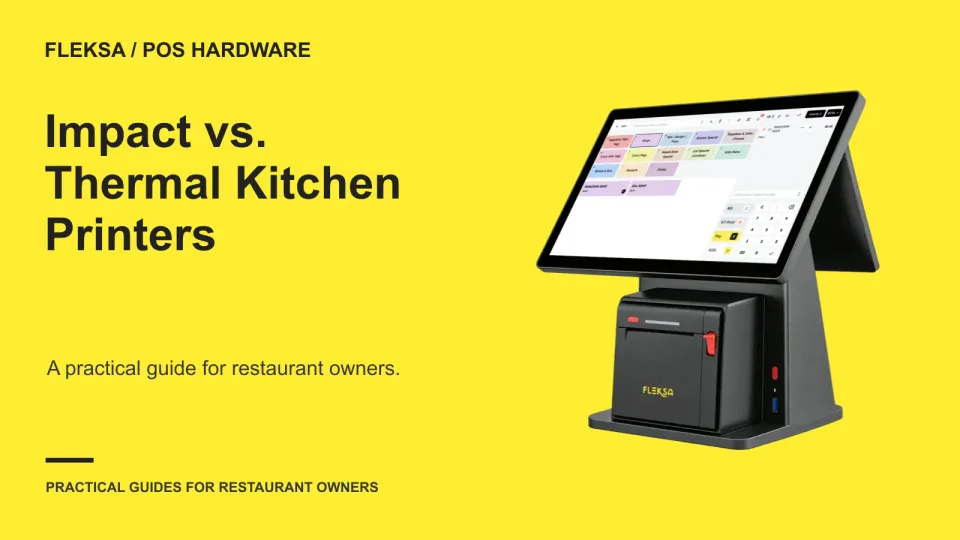
An impact printer can provide an audible cue, while a thermal printer avoids ribbon changes. The better choice depends on compatibility, station conditions and what your cooks can read during service. Use this worksheet and trial to make the decision.
A clear modifier setup tells guests what they must choose, what they can add, and what each option costs. Use a simple meal map to set selection limits, check cart totals, and make tickets easier for staff to read.
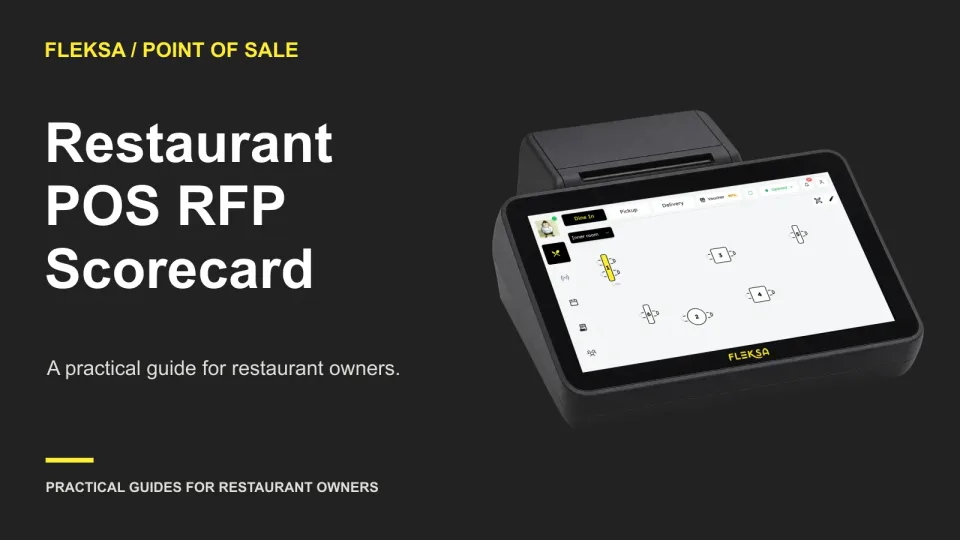
A useful POS request for proposal gives vendors the same operating details, asks for evidence of critical workflows, and makes quotes easier to compare. Use these requirements and a weighted scorecard to narrow your choices.
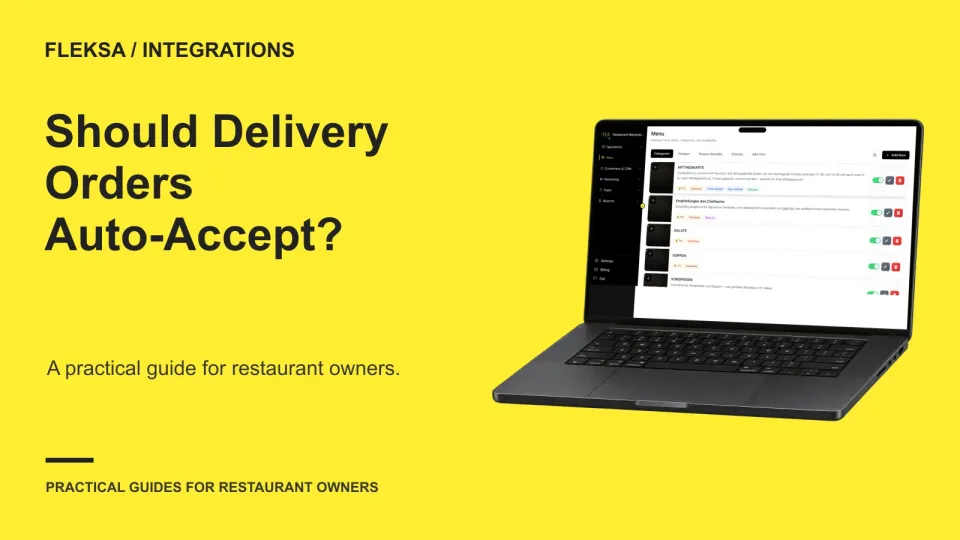
Automatic acceptance can remove a repetitive tablet task, but it also commits the kitchen before a person reviews the order. Use this decision matrix to compare channels, check capacity, and assign someone to handle exceptions.
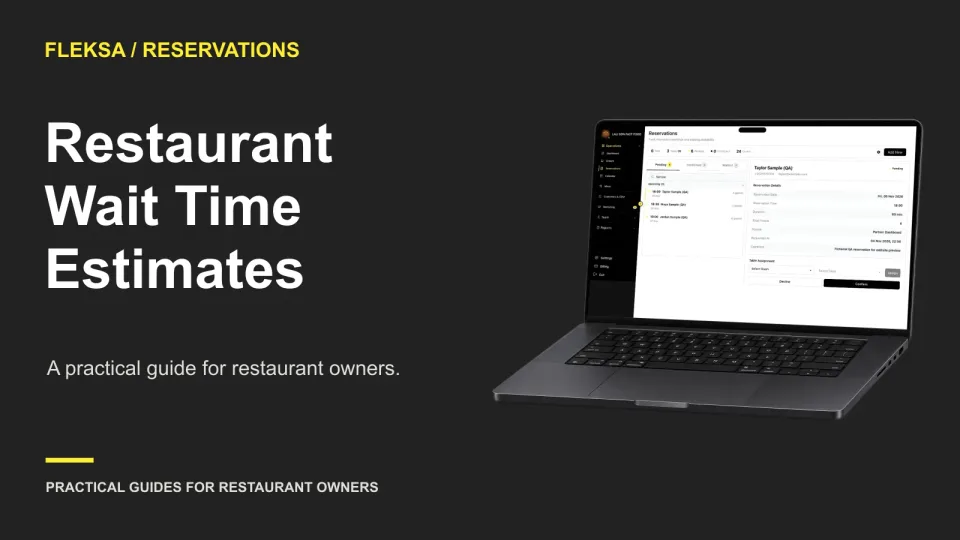
A useful wait estimate starts with actual seating times, then accounts for the tables and parties in front of the host. Use this practical worksheet to set a range, explain uncertainty, and update guests when conditions change.
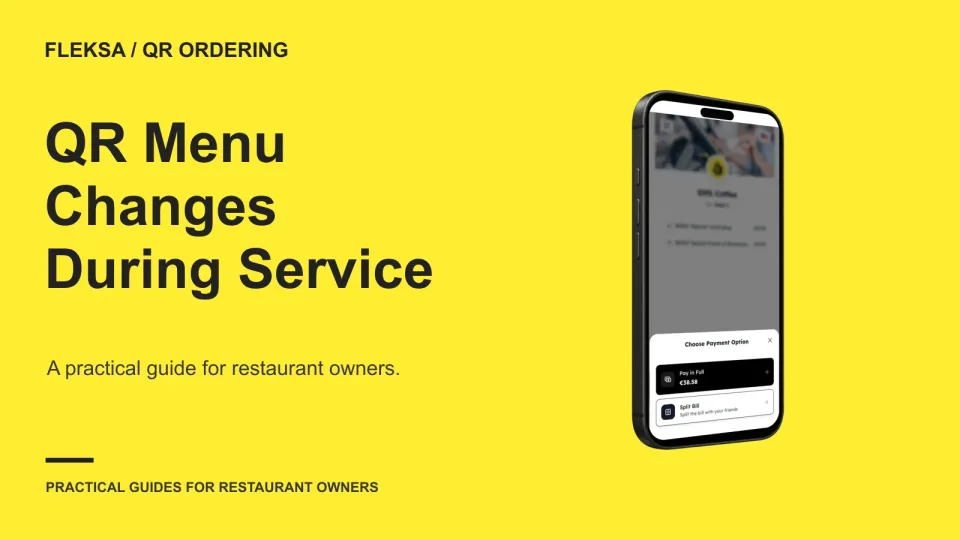
An open QR cart can hold yesterday’s price or an item the kitchen has just sold out. Use this decision worksheet to choose when to publish, what to tell staff, and what to ask your vendor to demonstrate.
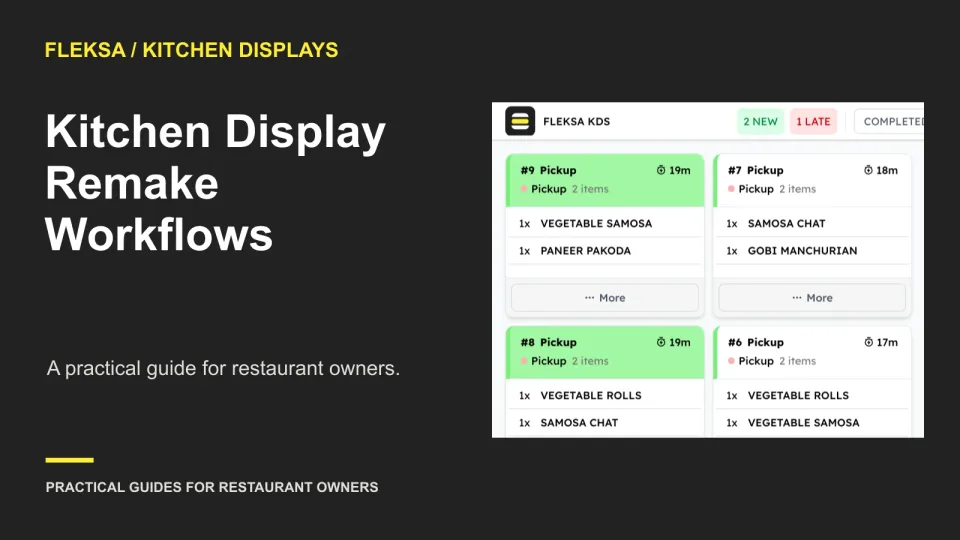
A remake needs kitchen attention without becoming a second paid order. Use this decision worksheet and vendor demonstration to compare ticket options, check the expo handoff, and catch misleading sales records.
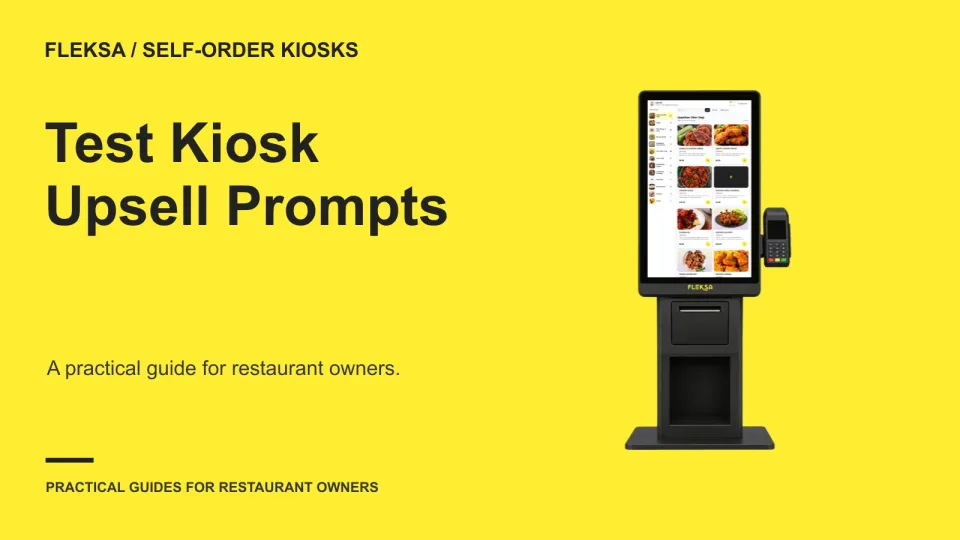
A suggested add-on can be useful without getting between a guest and checkout. Use this practical worksheet to evaluate the prompt, test changes to the order, and decide whether an upsell is worth keeping.
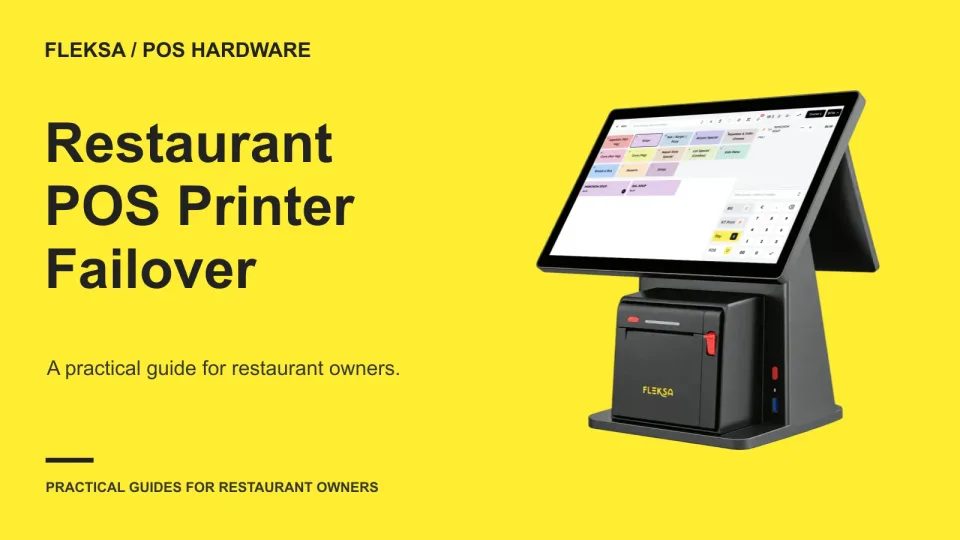
A backup printer only helps if staff can tell which tickets need to be recovered. Use this guide to compare recovery options, run a safe simulation, and write a return-to-normal procedure.
Page 15 of 62
Older articles for diners