Compare software, understand costs, and plan your next step.
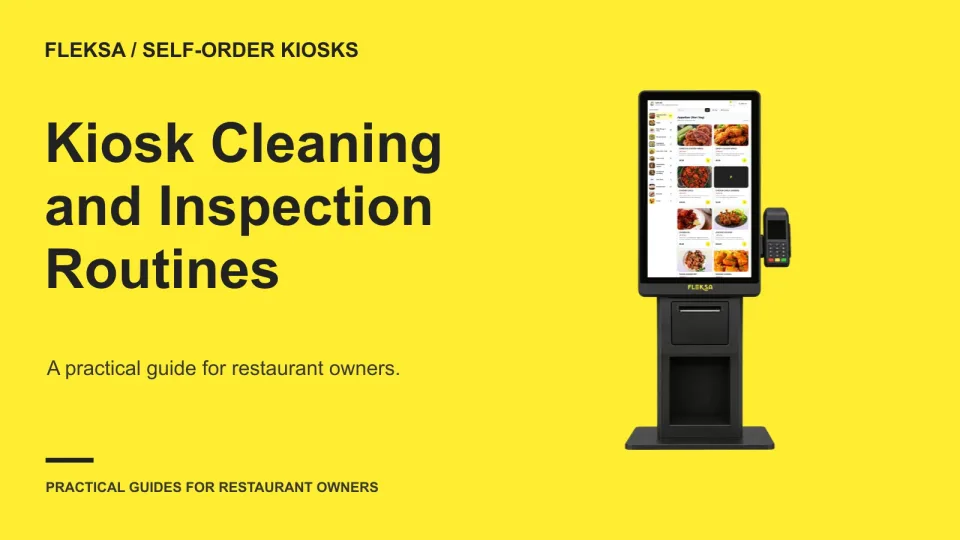
A usable kiosk needs more than a quick wipe. Set clear shift responsibilities, follow each device maker’s cleaning instructions, and give staff a simple way to spot faults and route guests elsewhere.
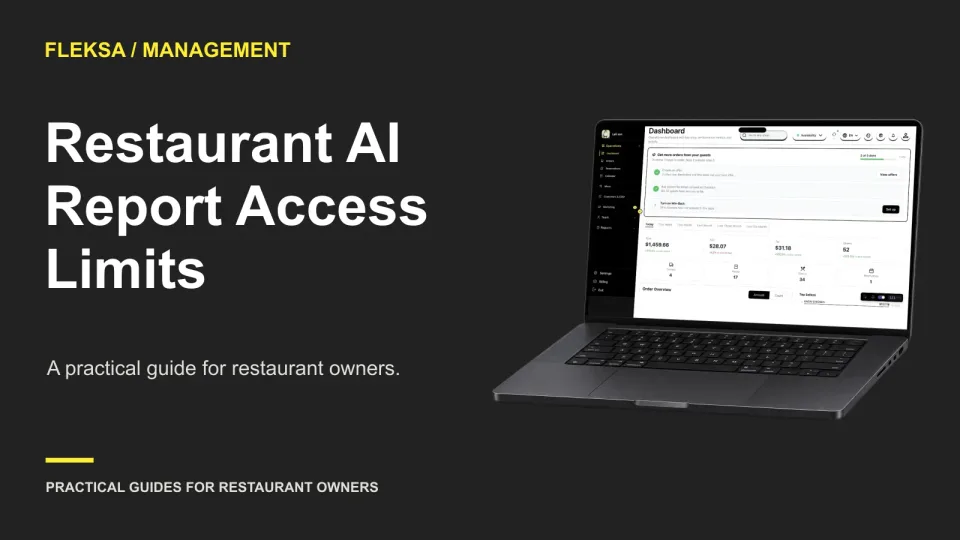
Giving an AI assistant fewer reports can reduce exposure to sensitive information, but it can also limit the decisions its answers support. Use this fictional shift comparison to check what an assistant knows, what it should admit, and when broader access is worth considering.
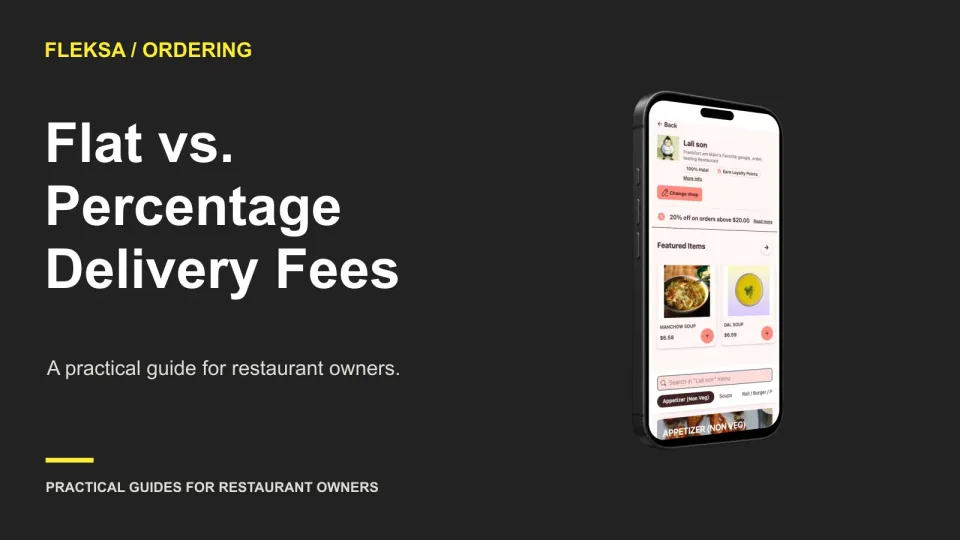
A flat delivery fee is easy to explain, while a percentage charge changes with the basket. Compare both against delivery costs, guest totals, and contribution before choosing a structure for your restaurant.
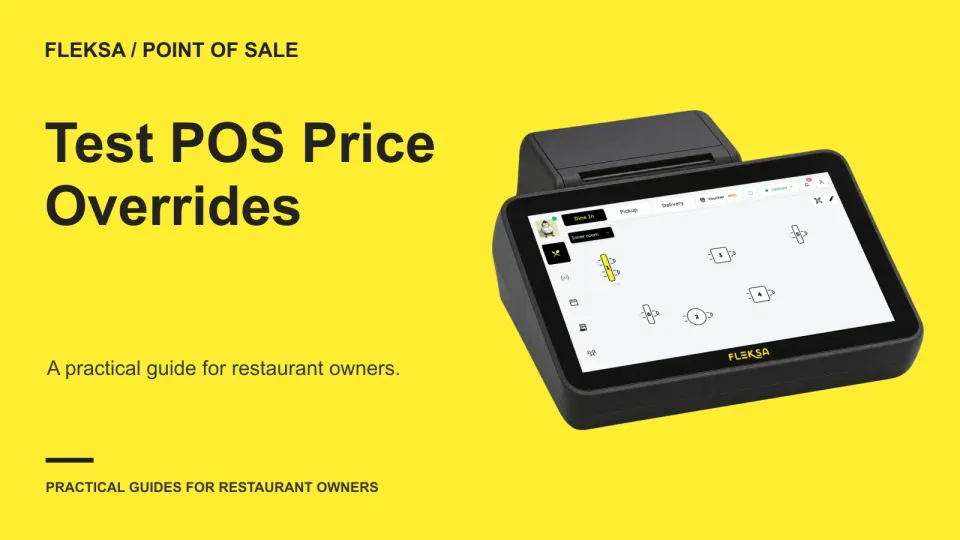
A price correction should be quick enough for service and clear enough to review later. Use this practical test to check who can change a price, what appears on the receipt and whether the original amount and reason remain visible.
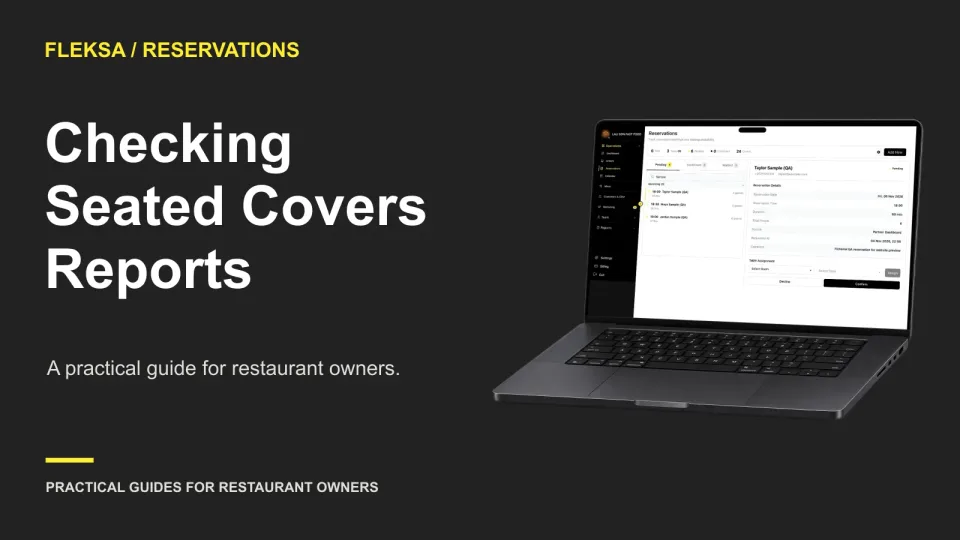
A reservation for six does not always become six seated guests. Use this worksheet to compare booking and seating counts, test corrections, and decide whether a reservation report is dependable enough for service decisions.
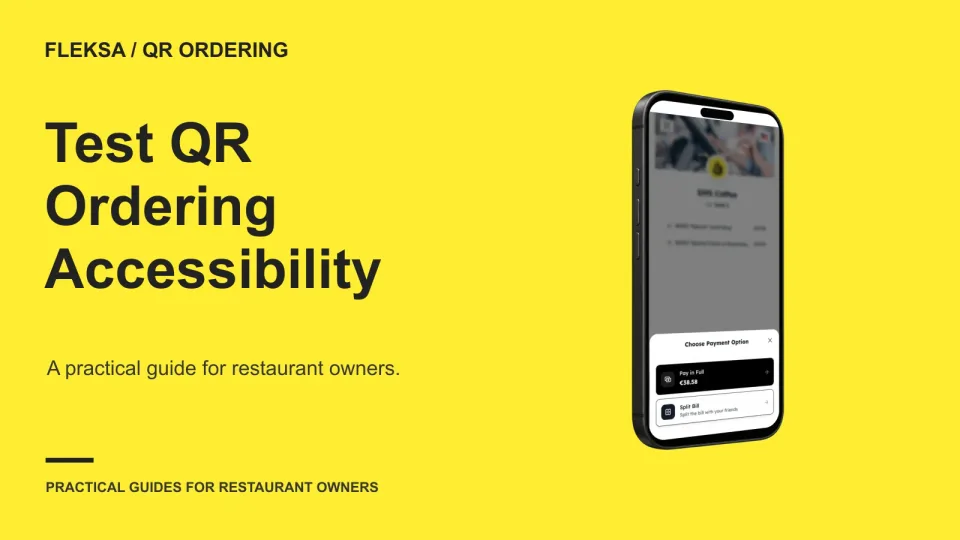
A readable QR menu is only the start. Use this practical acceptance script to check whether guests can choose modifiers, understand price changes, recover from errors, and confirm an order using a screen reader or keyboard.
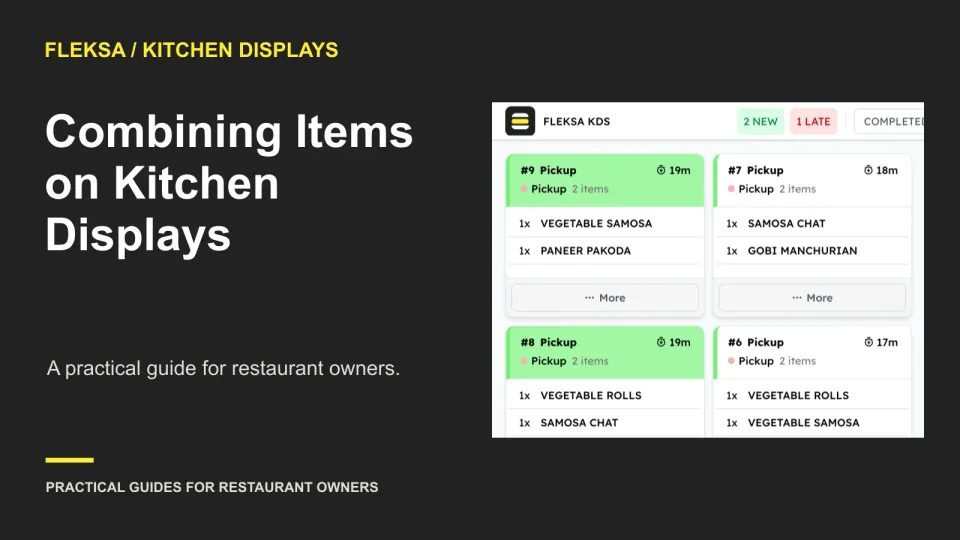
A single quantity can make a kitchen ticket easier to read, but only if the details cooks and servers need remain visible. Use this practical worksheet to test modifiers, late additions, seat identity, and order sources.
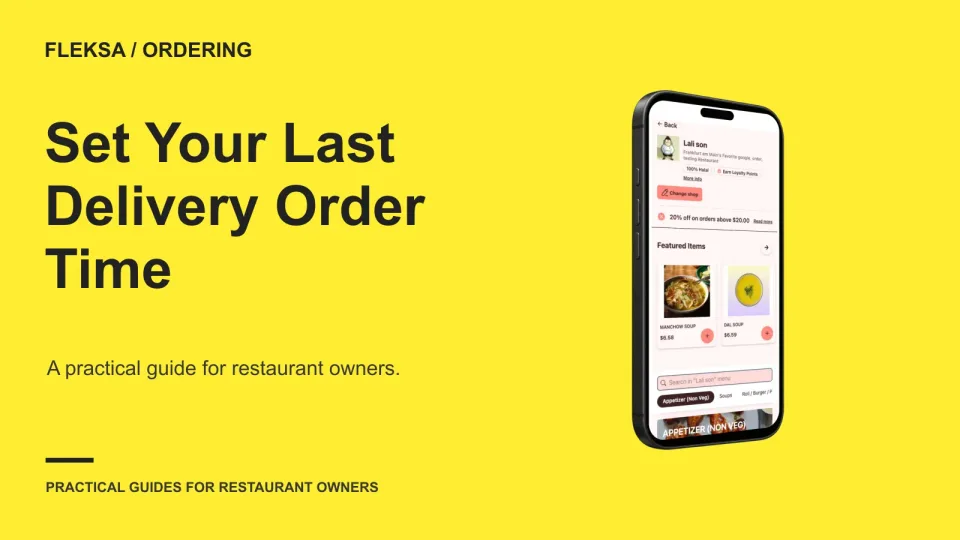
Your last delivery order time should leave room for preparation, courier handoff, and closing duties—not just the advertised closing hour. Use this timeline to set separate delivery and pickup cutoffs and adjust them when service conditions change.
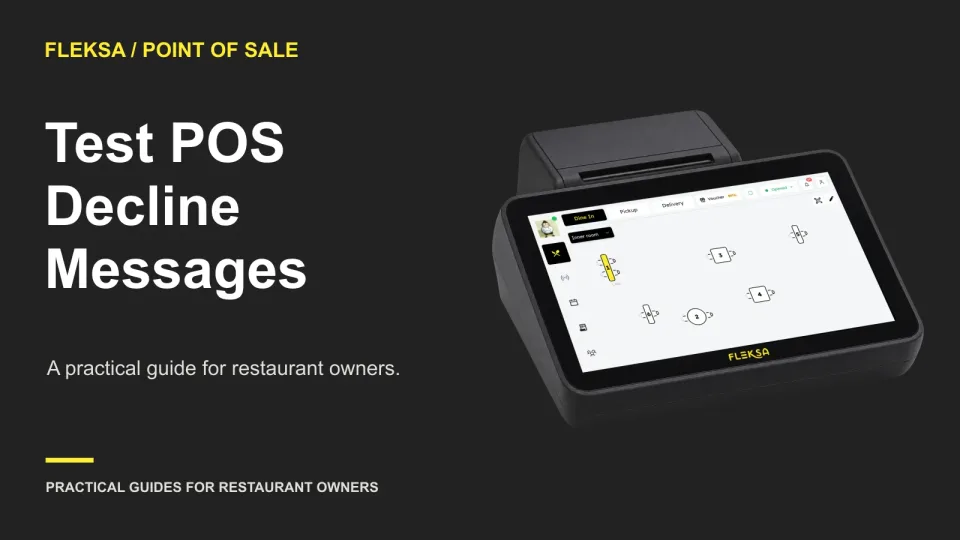
A clear card decline should lead staff to a safe next action, not a guessing game. Use this decision card to check the message, remaining balance, alternative payment, and receipt before choosing or changing a POS.
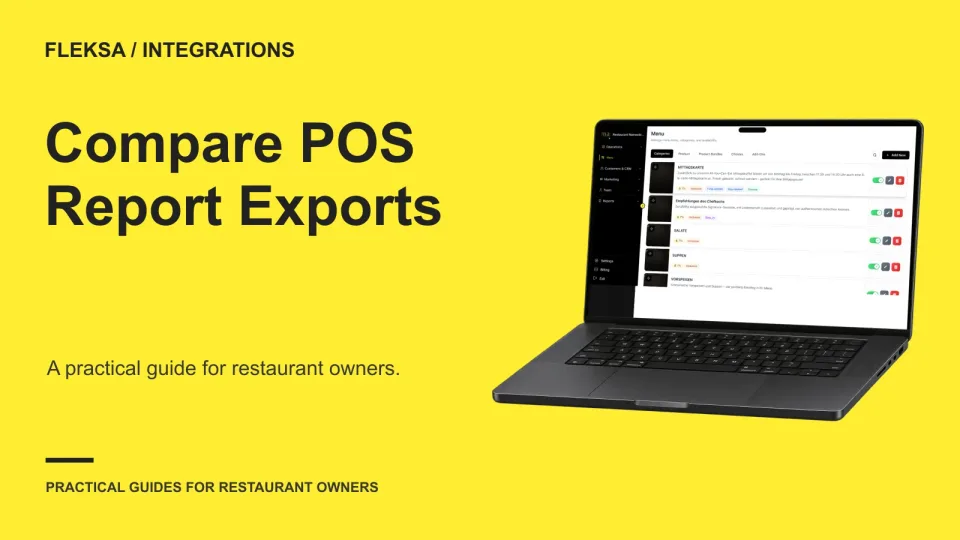
A downloadable report is only useful if your bookkeeper can use it every time. Compare sample POS exports for missing fields, date and time handling, decimal precision, matching totals, and the work needed for each handoff.
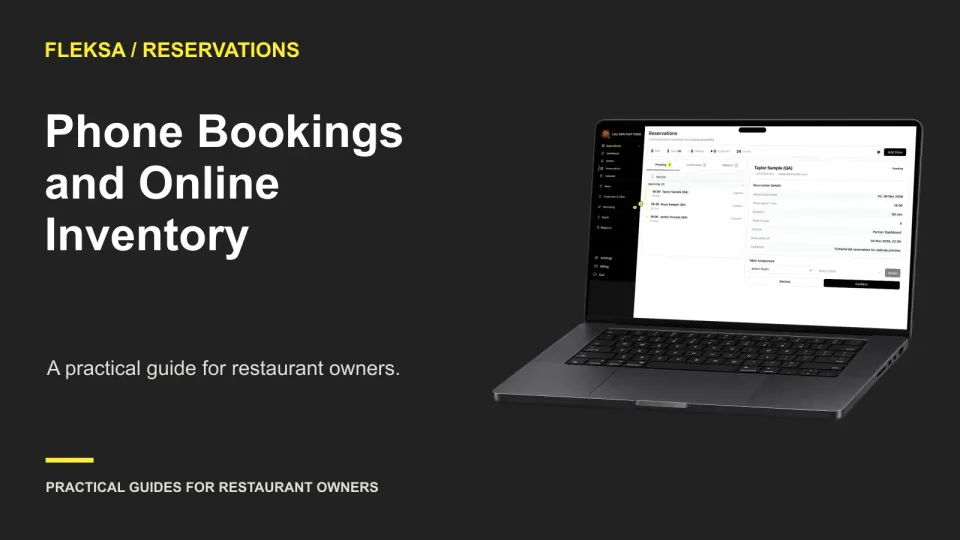
A phone reservation should not be promised until it is recorded against the same availability guests see online. Use this practical worksheet to choose a handoff, test competing requests, and assign ownership when a booking needs a callback.
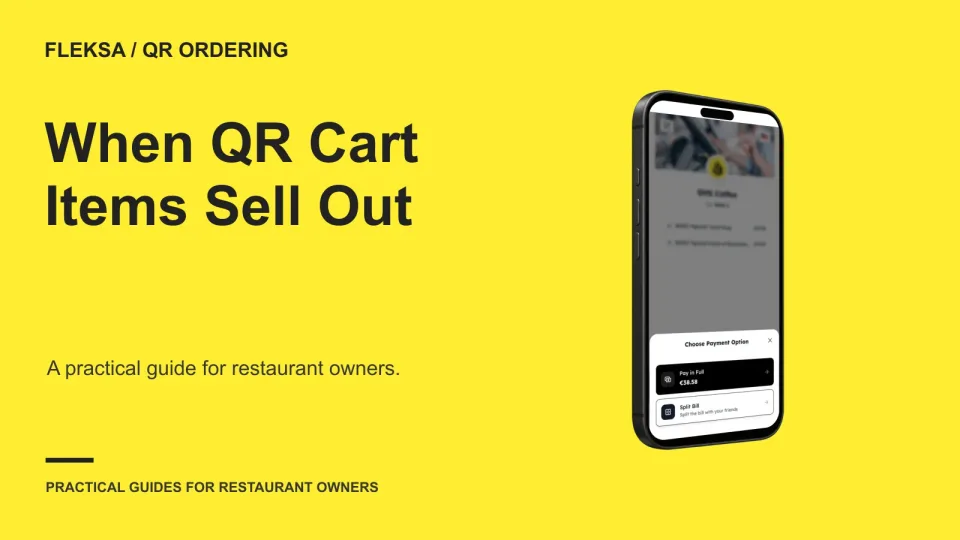
A guest can add an item to a table cart just before it sells out. Use this practical worksheet to decide how checkout should respond, what the guest must approve, and what the kitchen should receive.
Page 27 of 62
Older articles for diners