Compare software, understand costs, and plan your next step.
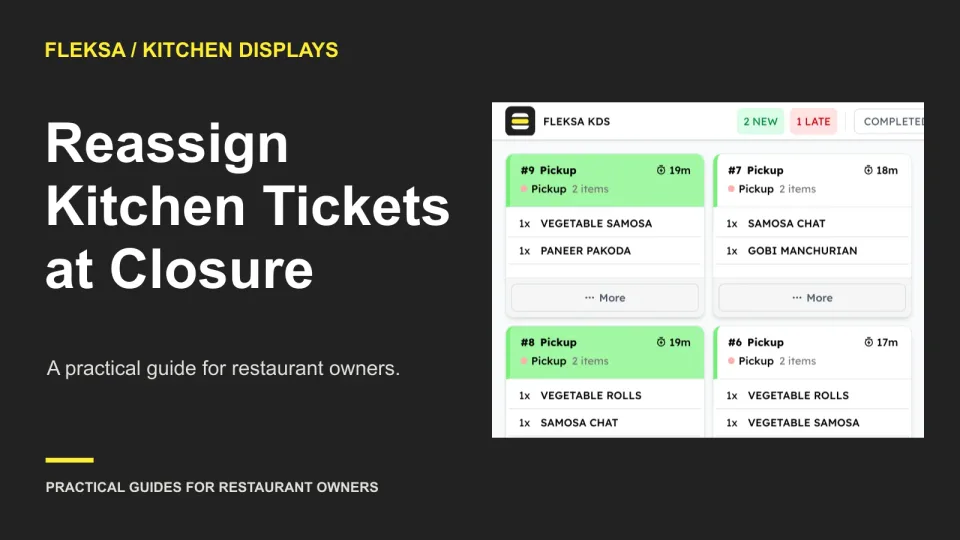
Closing a preparation line mid-service means more than moving tickets. Use this practical worksheet to sort untouched and started items, check who owns each task, and give expo a reliable handoff.
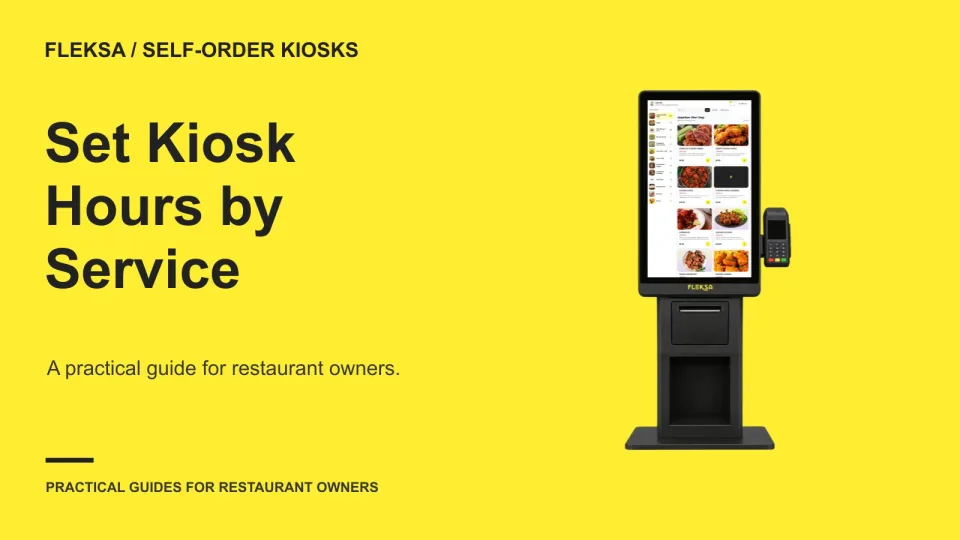
A kiosk schedule should follow what the kitchen and counter can actually serve. Use this practical worksheet to set service windows, test carts at closing time, and prepare staff for unexpected pauses.
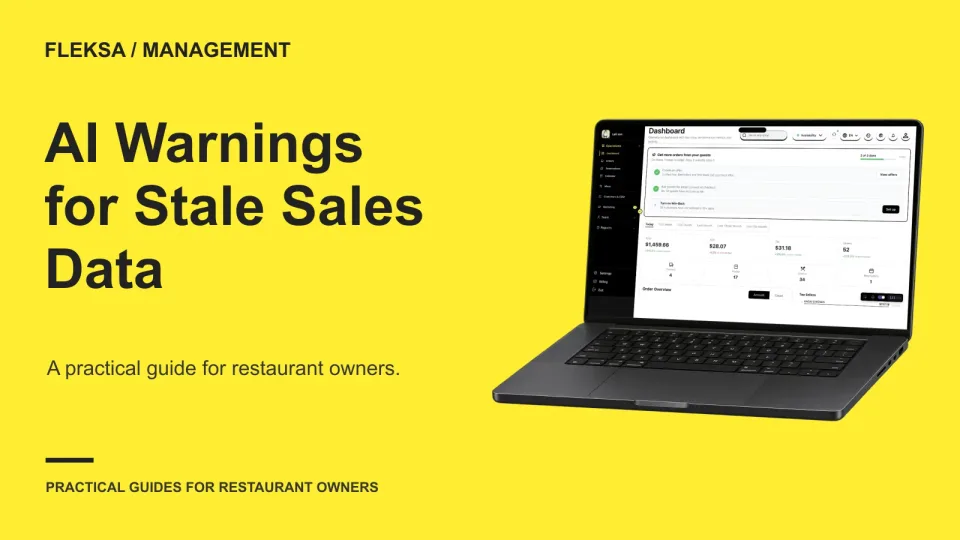
A staffing recommendation can sound confident even when its sales figures are old. Use this practical worksheet to test whether an AI assistant names the last available sales date, warns about the gap, and supports a sound operator decision.
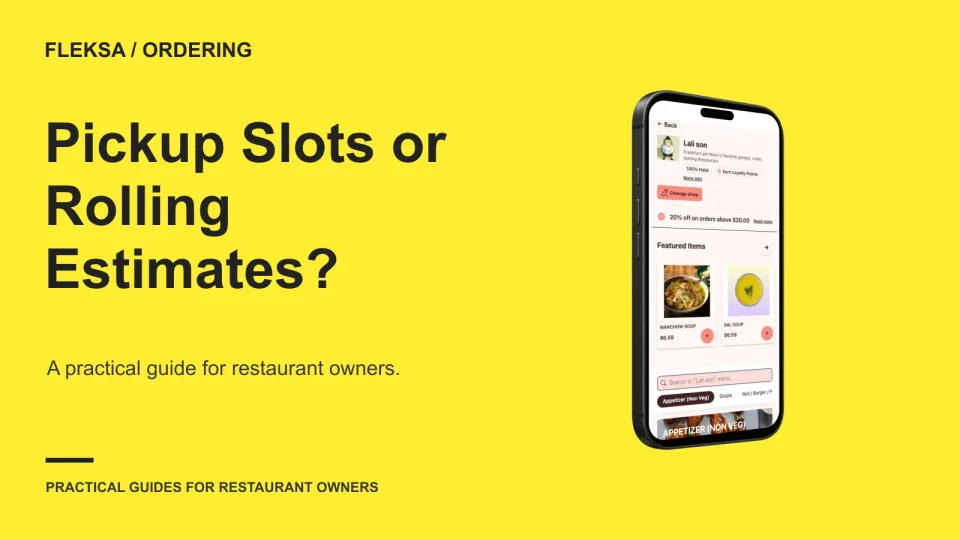
Fixed pickup slots give a kitchen a clearer schedule. Rolling estimates give guests a quicker path to order. Use your demand patterns, production limits, and staff workflow to decide which promise your restaurant can reliably keep.
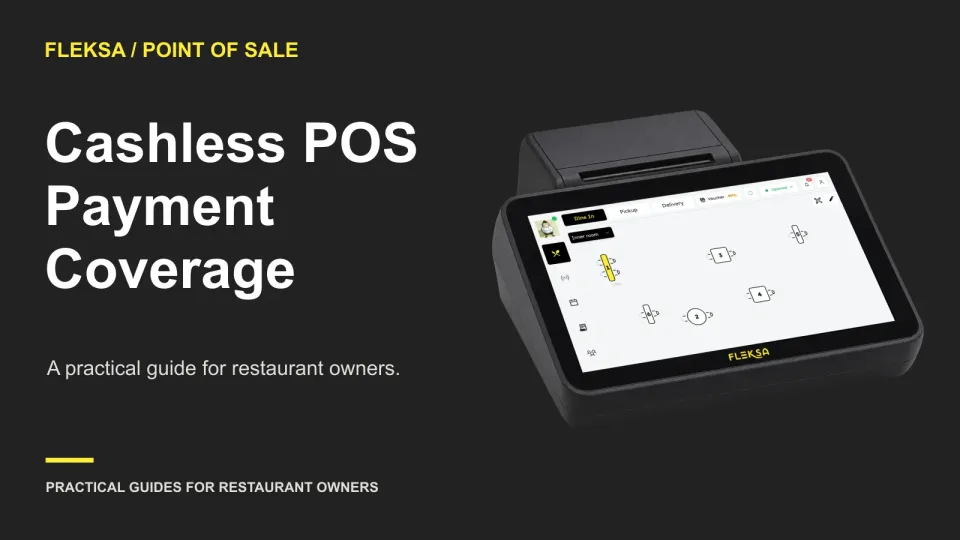
Can your restaurant accept the payment methods guests expect when service is busy—and still finish a transaction when something fails? Use this tender coverage matrix to compare POS options, assign staff responsibilities, and choose a workable fallback.
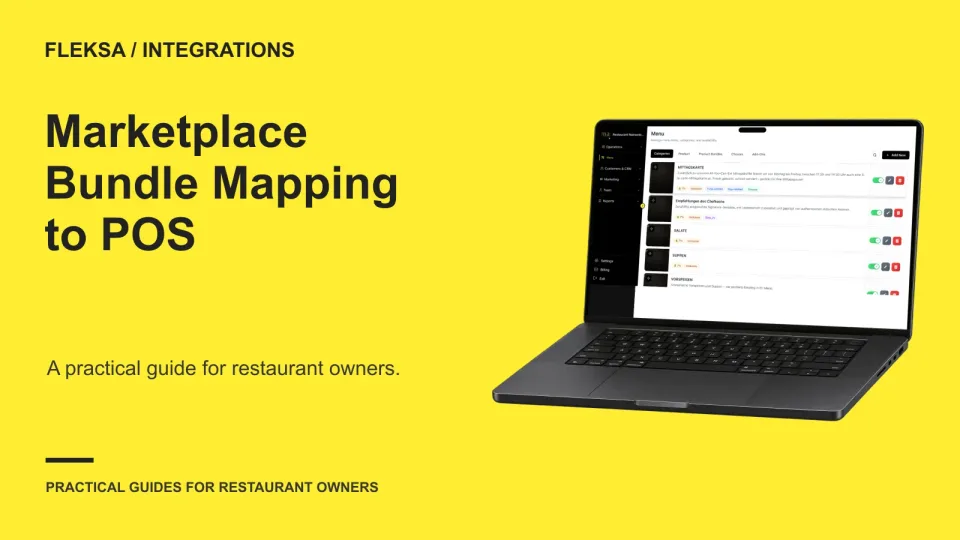
A marketplace combo can look correct to the guest but arrive at the POS as an unusable item or an incorrect total. Use a sample order to check bundle identity, kitchen quantities, price allocation, and exceptions before rollout.
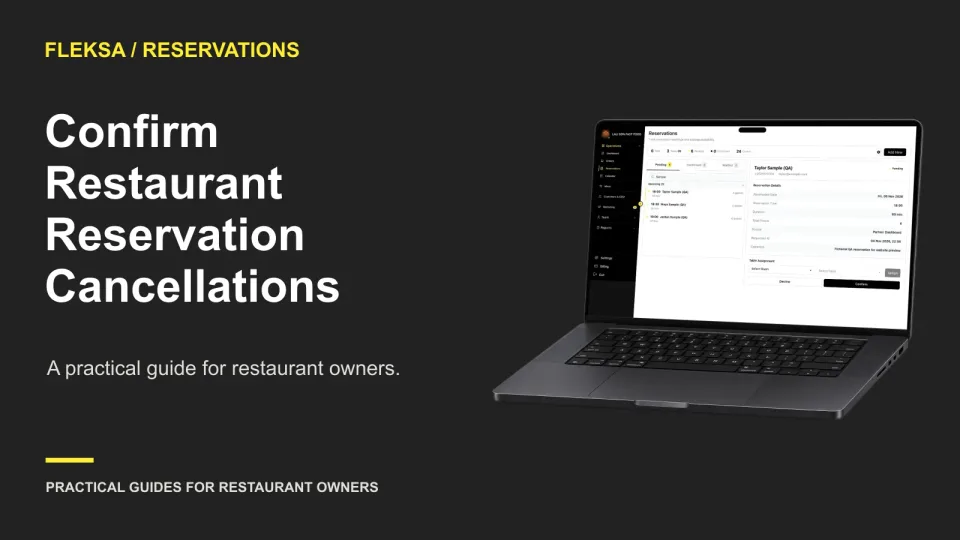
A canceled reservation is not finished when a staff member clicks a button. Use this practical worksheet to check booking status, released capacity, guest confirmation, and the next step when channels disagree.
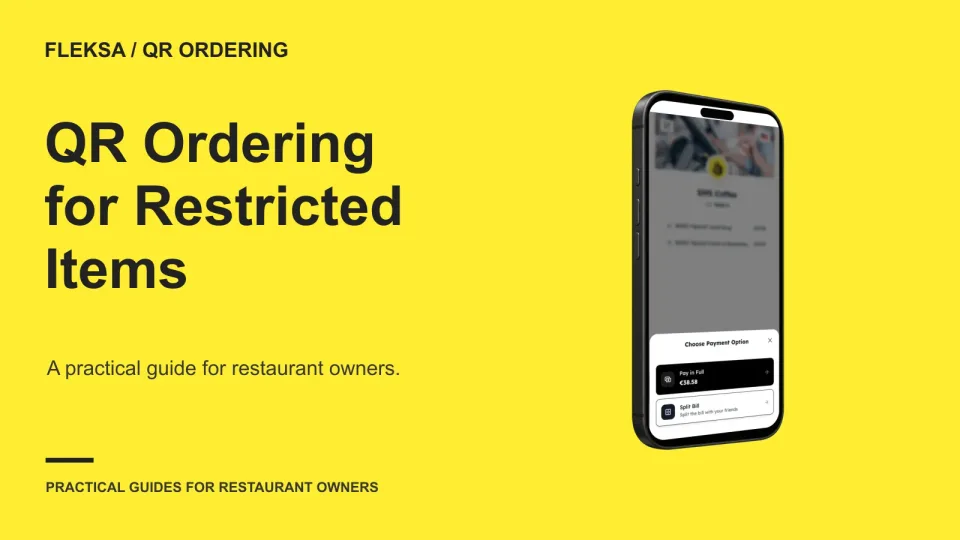
A guest ordering by phone should not bypass the staff check before a restricted item is served. Use this practical workflow and acceptance worksheet to evaluate notices, review holds, mixed orders, and declined items.
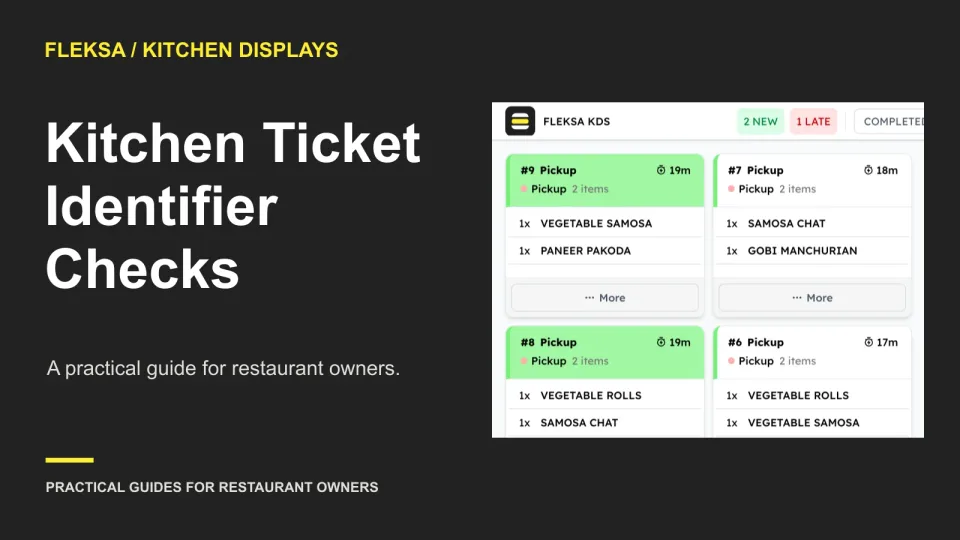
Similar orders can arrive together from different sources. Use this practical worksheet to compare ticket identifiers, trace orders through prep and expo, and check whether staff can match them without displaying unnecessary guest information.
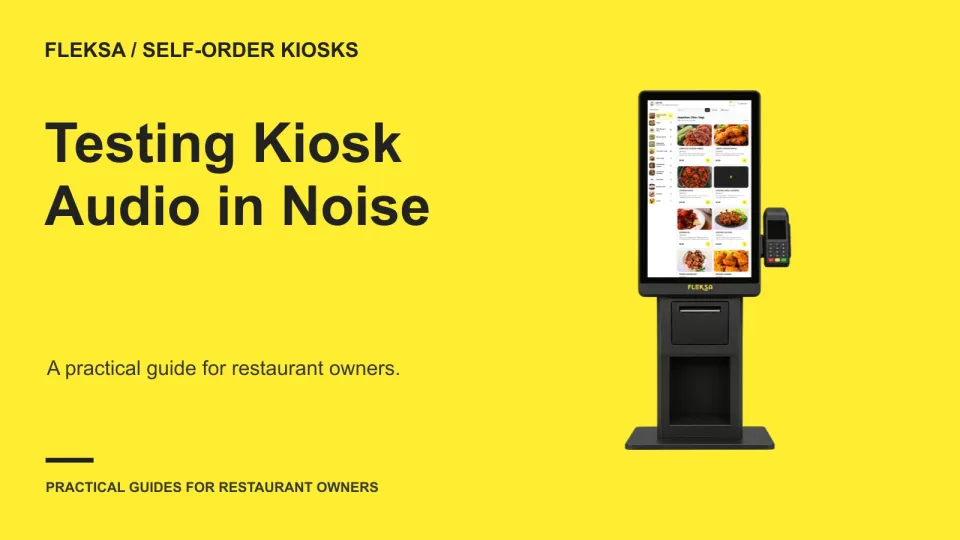
Can guests hear kiosk guidance without broadcasting their orders? Use this practical test sheet to check task instructions, volume, headphone access, privacy, and completion in the noise your restaurant actually produces.
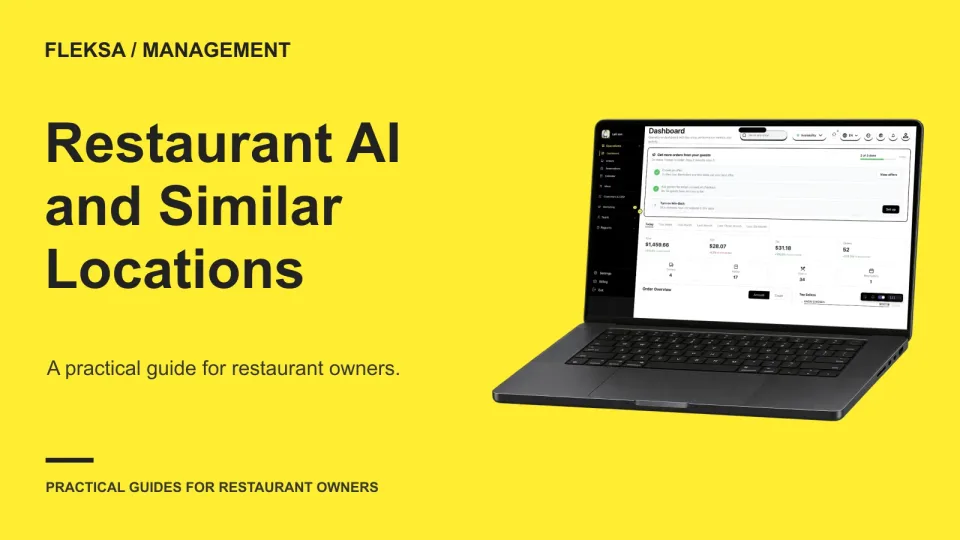
When two restaurants have similar names, an AI answer can look plausible while using the wrong sales data. Use this practical test to check location scope, compare operating costs and decide when staff should use a manual report instead.
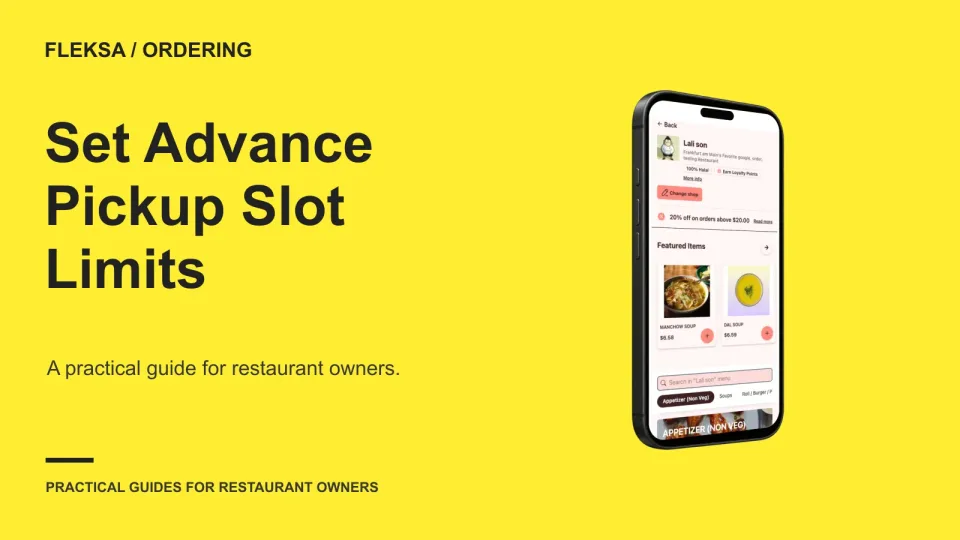
A useful pickup limit starts with the kitchen time available in each interval, not the number of tickets a screen can hold. Use a mixed-basket worksheet to set a starting cap and adjust it after service.
Page 28 of 62
Older articles for diners