Compare software, understand costs, and plan your next step.
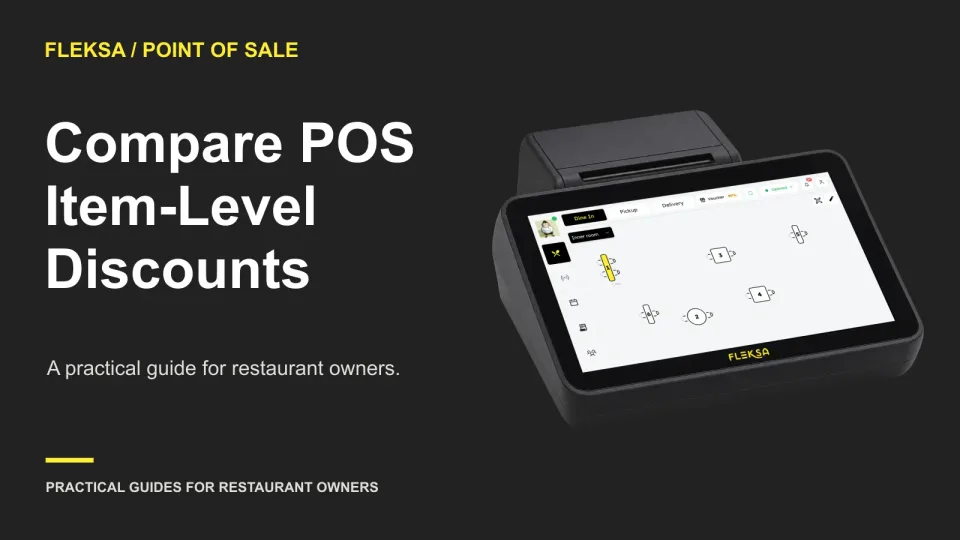
A discount button is only useful if it changes the right items and leaves staff with a clear total. Use this worksheet to compare quantity rules, rounding, receipts and permissions before choosing a restaurant POS.
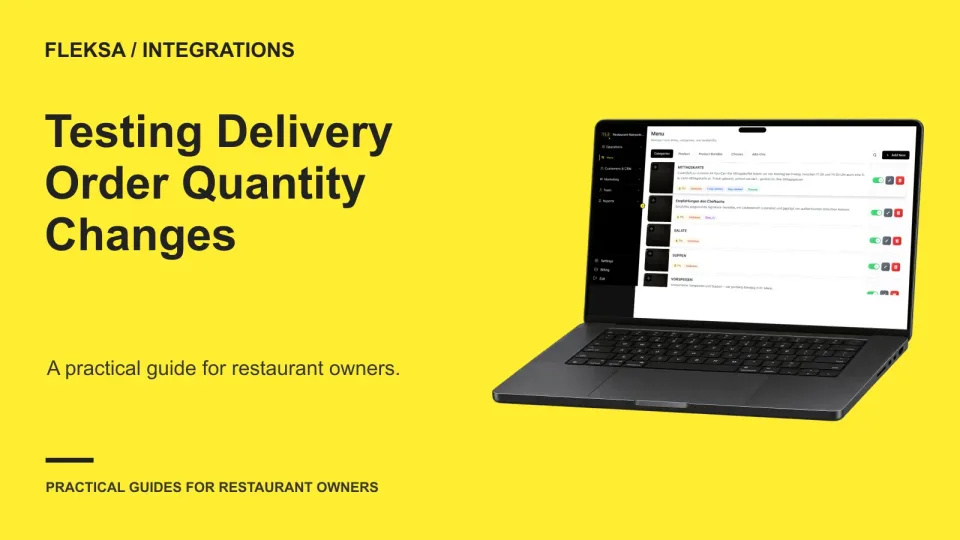
A delivery order can show the right items but the wrong quantities after a change. Use this practical comparison to check the order, its line total and the kitchen’s preparation state before choosing an integration.
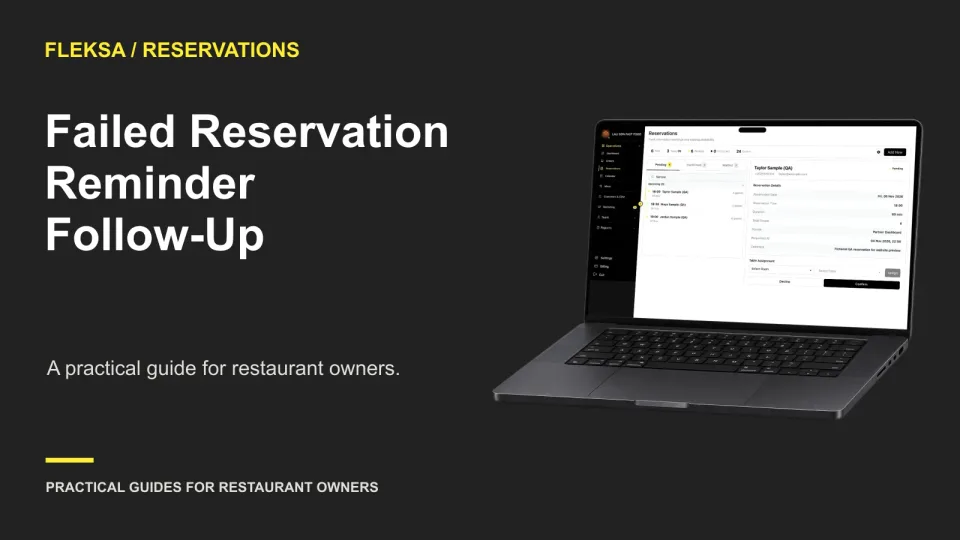
A failed reminder does not cancel a reservation. Use a simple host queue to prioritize follow-up, correct contact details safely, and keep the booking intact when a message does not reach a guest.
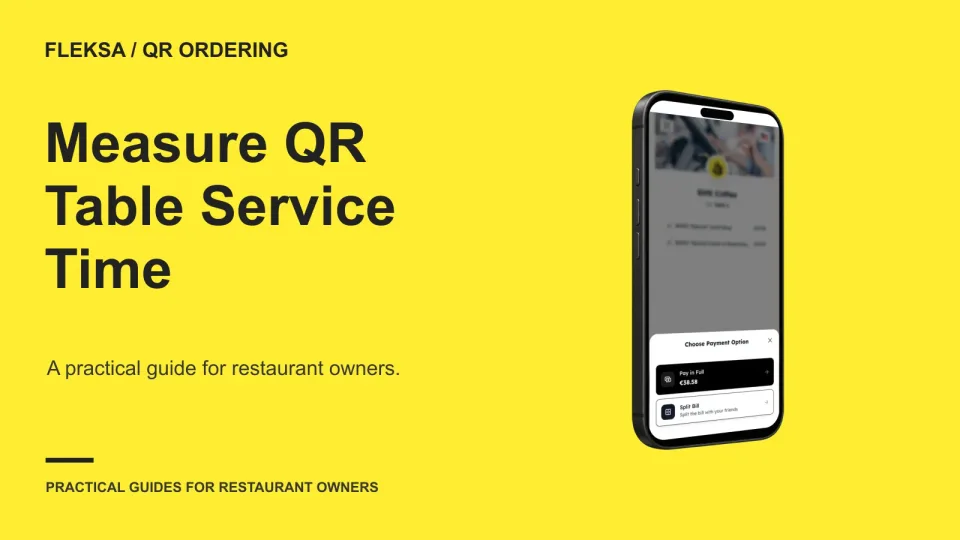
A QR ordering pilot needs more than a faster-looking dining room. Learn which service timestamps to record, how to compare similar shifts, and when the timing evidence is strong enough to guide a decision.
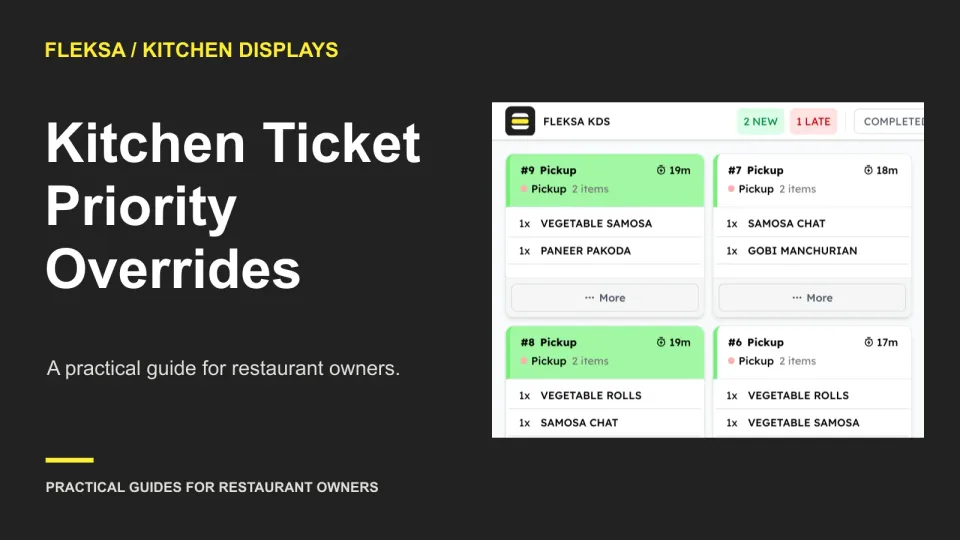
A rush rule is only part of the picture. Use this worksheet to decide who can override a kitchen ticket’s priority, what cooks need to see, and how to test conflicting changes before buying.
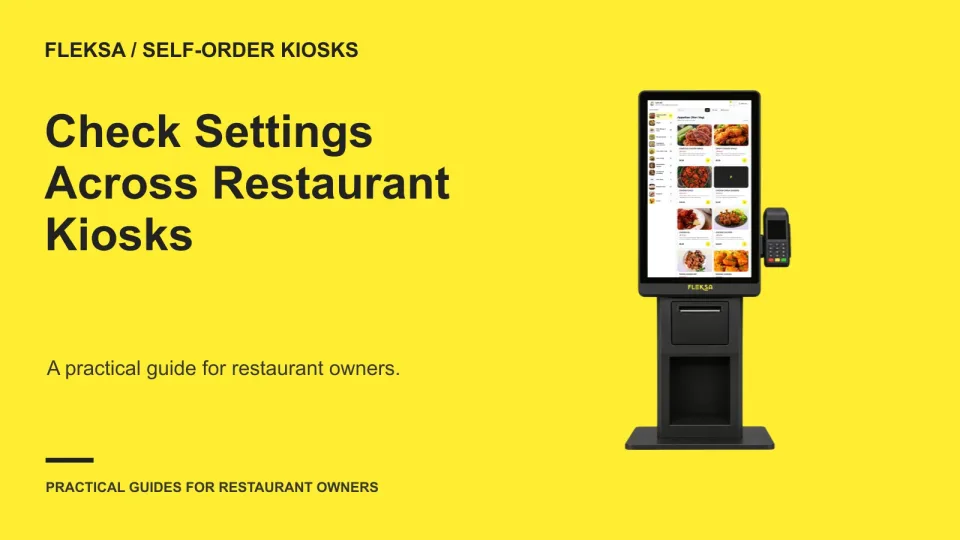
Two kiosks can look alike to guests while sending orders to different places. Use a device matrix and a simulated order comparison to spot mismatched location, menu, receipt and fulfillment settings before service.
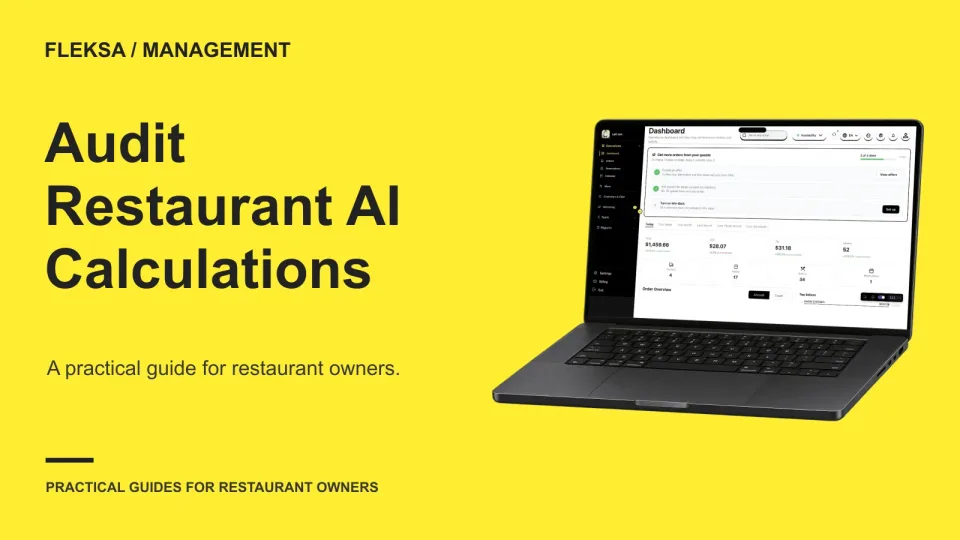
A plausible AI answer is not enough when it affects a restaurant decision. Use a three-day sales example to check whether a manager can trace the inputs, reproduce the formula, and spot what changed.
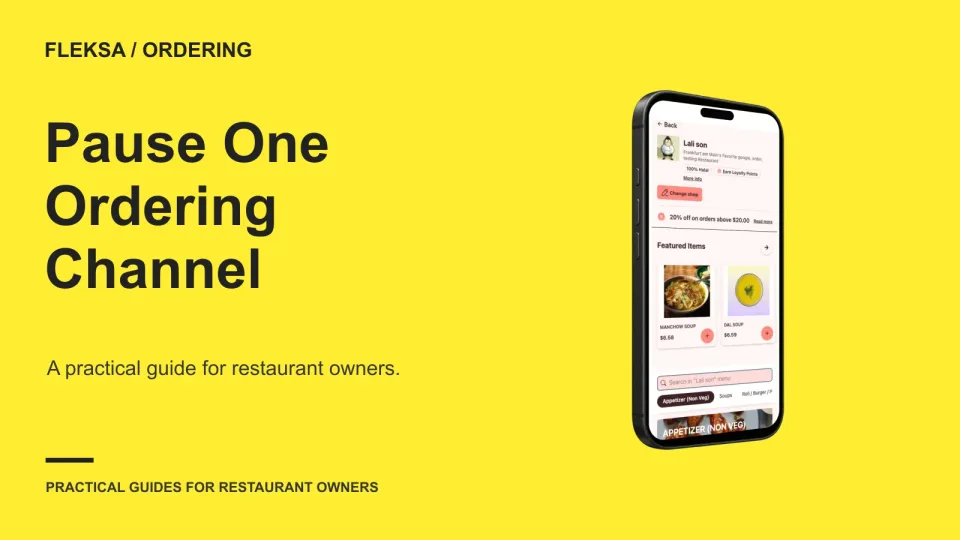
A targeted pause can give a busy kitchen room to catch up while keeping another way to order open. Use this practical decision tree to choose a channel, communicate the change, and reopen safely.
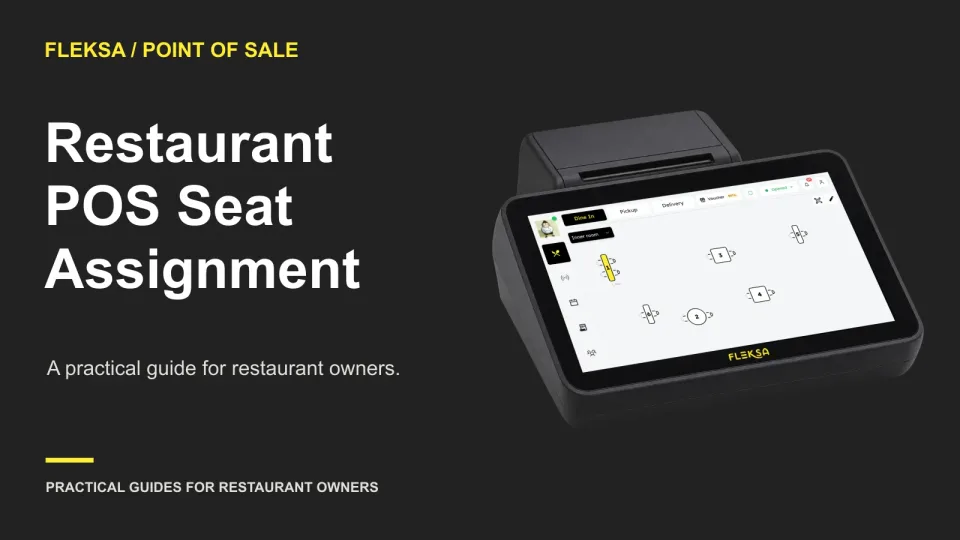
Seat numbers should help staff connect each item to the right guest before food leaves the kitchen. Use a four-seat order map to compare POS workflows, check exceptions, and set a clear acceptance rule before buying.
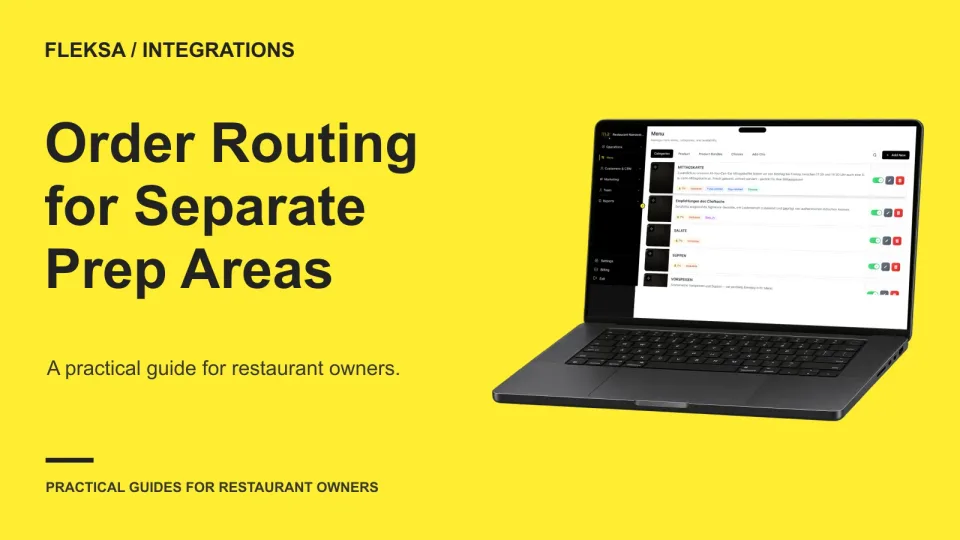
A delivery order can contain food and drinks prepared in different places. Use a sample order to check station visibility, shared order identity, completion signals, and handoff responsibility before choosing an aggregator.
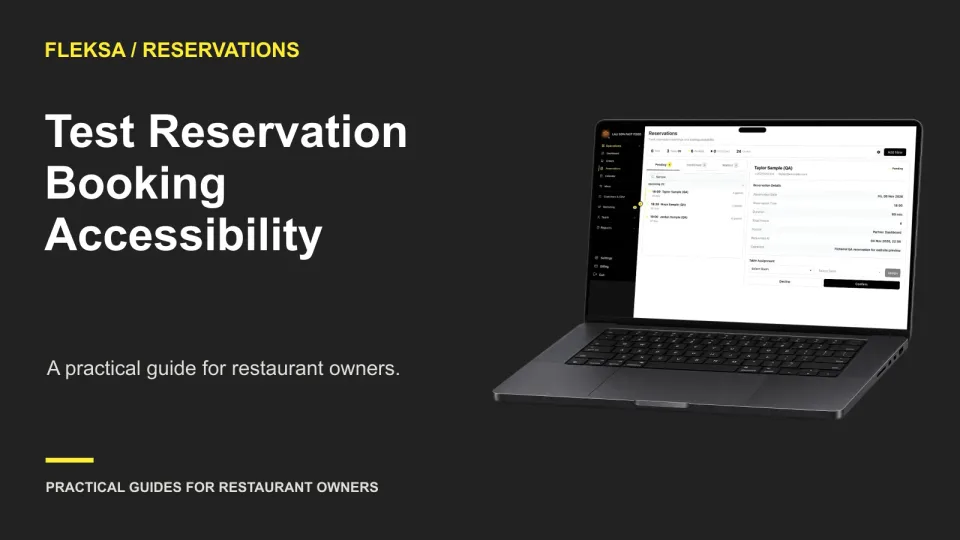
A reservation tool can look simple and still block guests who use a keyboard or screen reader. Use these practical checks to compare booking flows, record serious failures and get clear commitments before you buy.
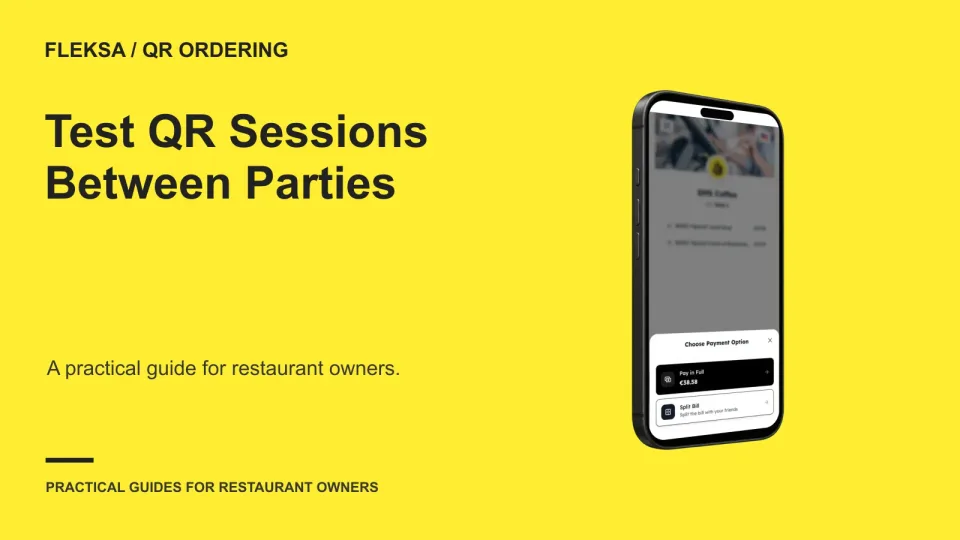
A settled check does not necessarily end a guest’s phone session. Use this practical worksheet to check what happens when a previous guest opens an old QR ordering page after a new party is seated.
Page 29 of 62
Older articles for diners