Compare software, understand costs, and plan your next step.
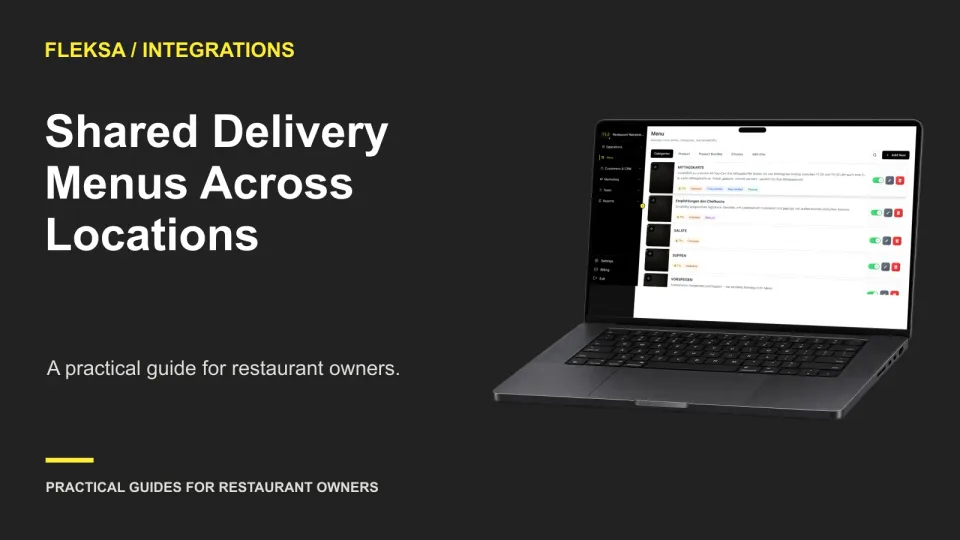
A shared menu can save work across restaurant locations, but one edit may reach more storefronts than intended. Use this practical evaluation to map ownership, test edit scope, and document approval and rollback before choosing software.
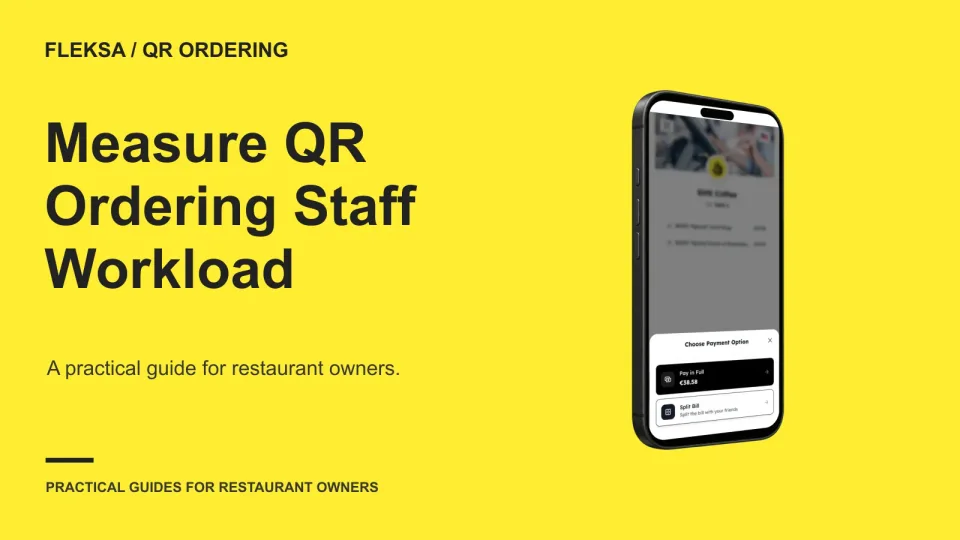
QR orders can reduce routine order-taking work while creating new tasks for servers. Use this shift worksheet to count exception minutes, compare them with staffed service, and decide whether the workflow deserves more testing.
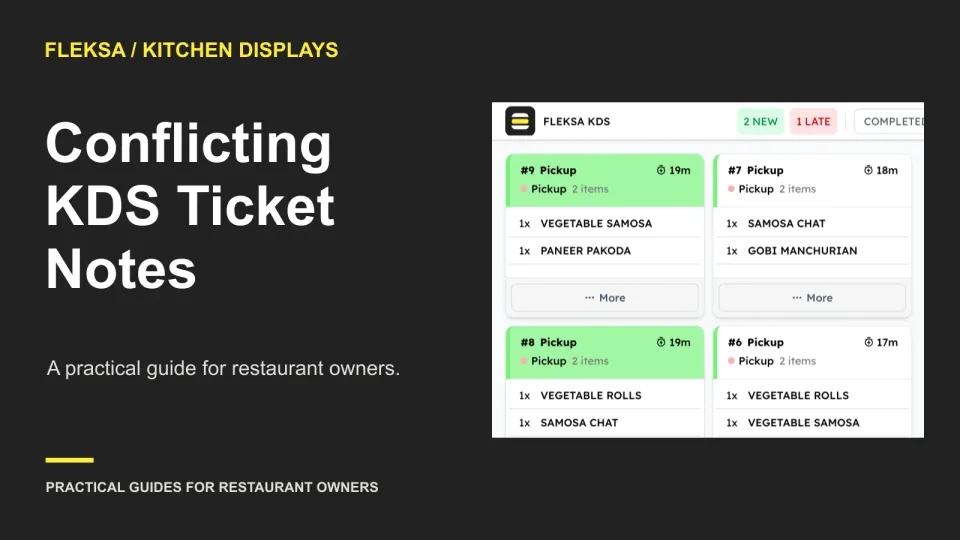
An item note and an order-wide instruction can tell your kitchen to do opposite things. Use this practical worksheet to check ticket visibility, assign a clarification owner, and test a kitchen display before preparation begins.
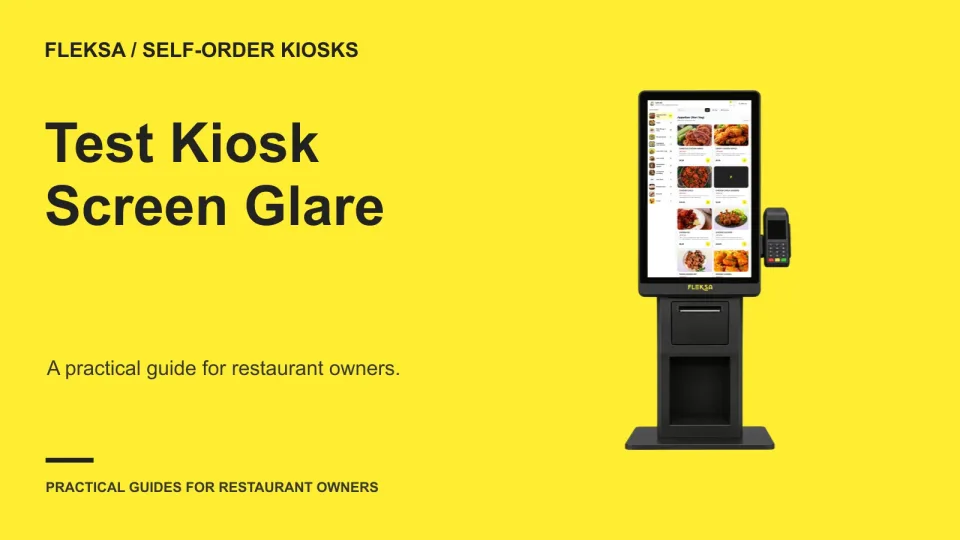
A kiosk screen that looks clear before opening can become hard to read during lunch. Use this practical test to compare locations from seated and standing viewpoints, document glare, and choose a workable position.
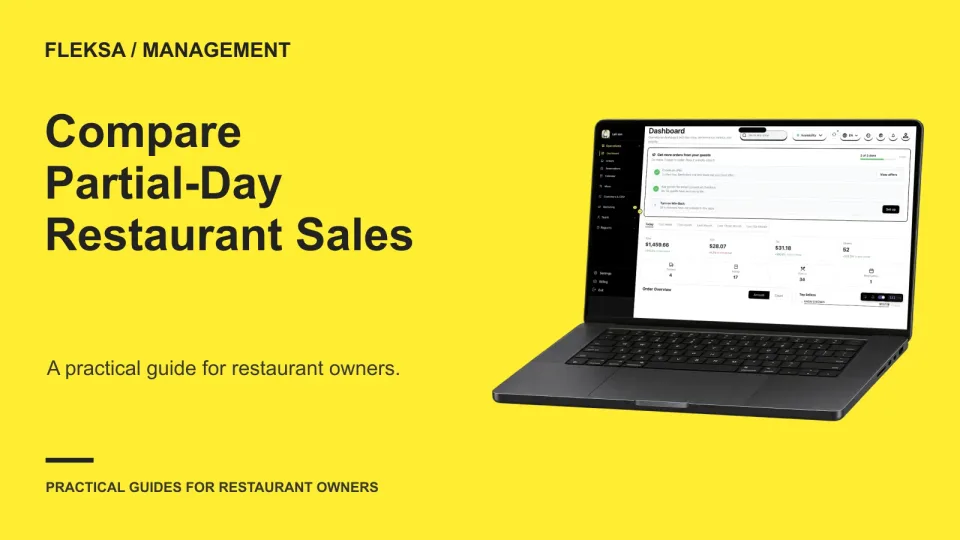
A noon sales snapshot cannot be compared directly with a completed day. Use matching time windows, consistent order rules, and a clear action threshold to make a useful decision before service ends.
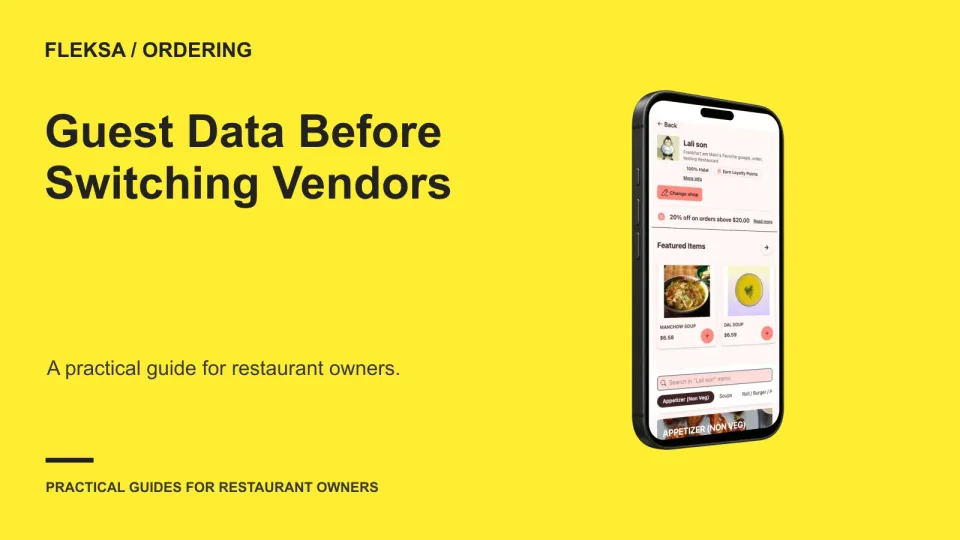
Before leaving an ordering vendor, find out which guest and order records you can export, what permissions travel with them, and whether your next system can use them. This checklist helps you ask both vendors better questions.
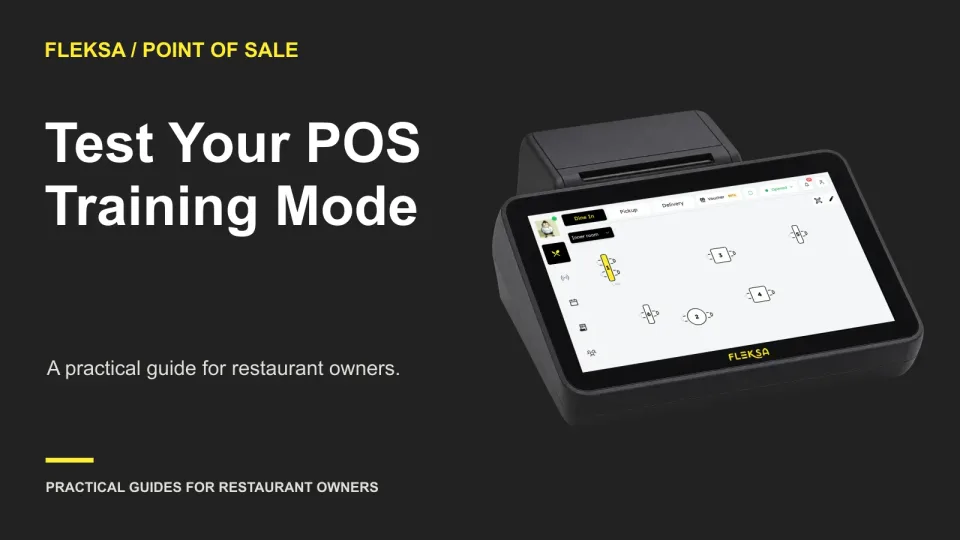
Can your team practice orders and payments without charging guests or changing live reports? Use this acceptance test to check training indicators, fake tenders, receipts, connected devices and the controls that return staff to live service.
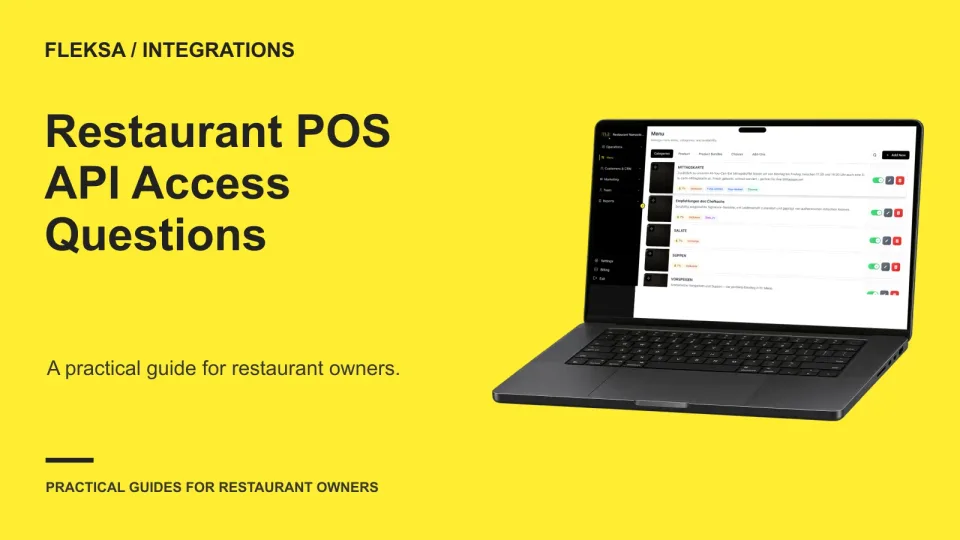
Before paying for a POS integration, check whether the API can actually read and write the data your workflow needs. Use this questionnaire to uncover access restrictions, event gaps, testing requirements, and support responsibilities.
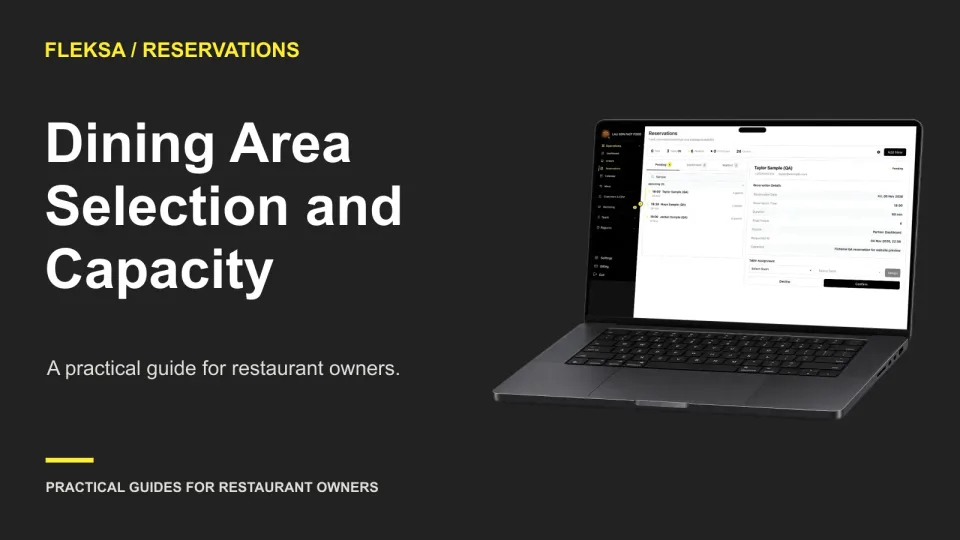
Letting guests choose the bar, dining room, or patio can make a reservation more useful. The key is deciding which choices are promises, tracking capacity by area, and giving hosts a safe way to handle changes.
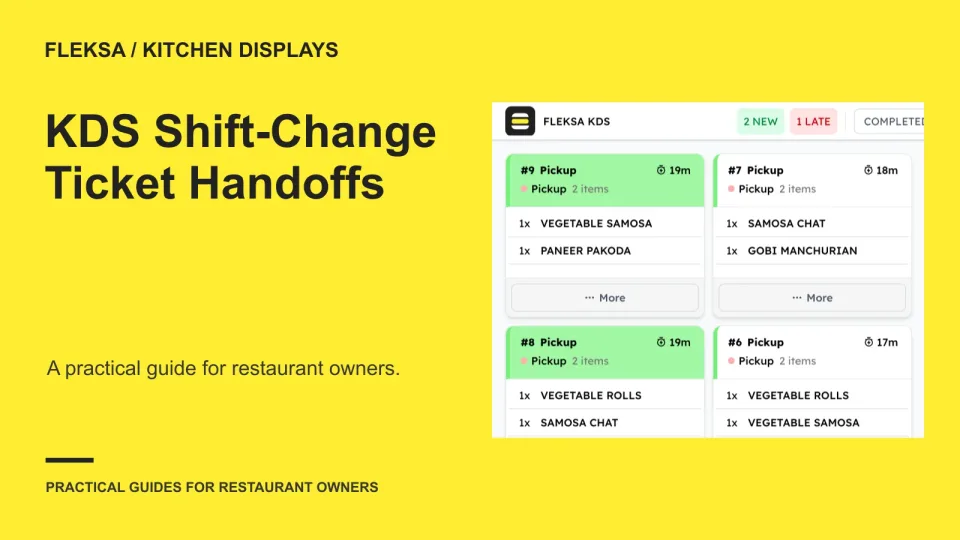
A claimed kitchen ticket does not tell an incoming cook what is ready or who will finish it. Use this three-ticket worksheet and vendor test to establish a reliable shift-change handoff.
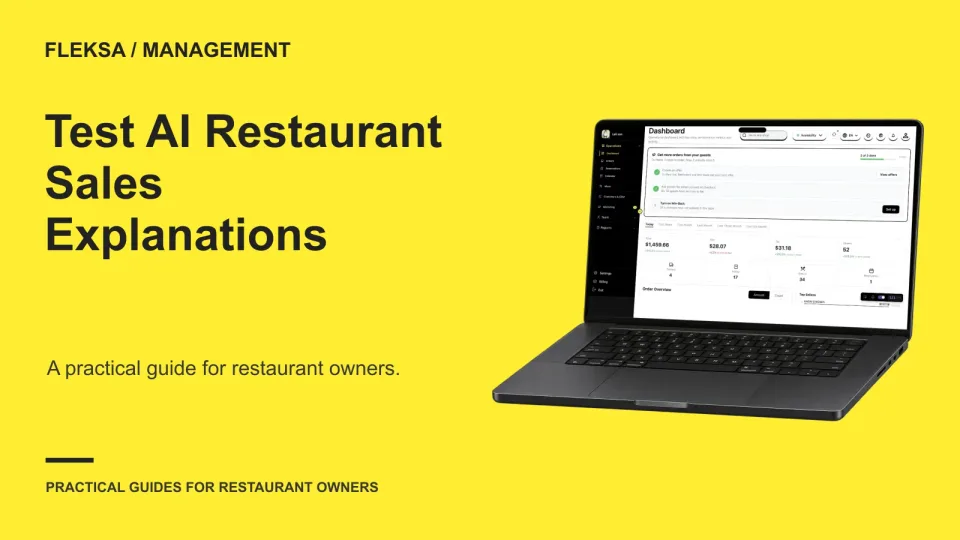
A sales decline is a measurement, not an explanation. Use this operator worksheet to see whether an AI assistant cites evidence, separates competing causes, and suggests a practical test before you change your restaurant's operations.
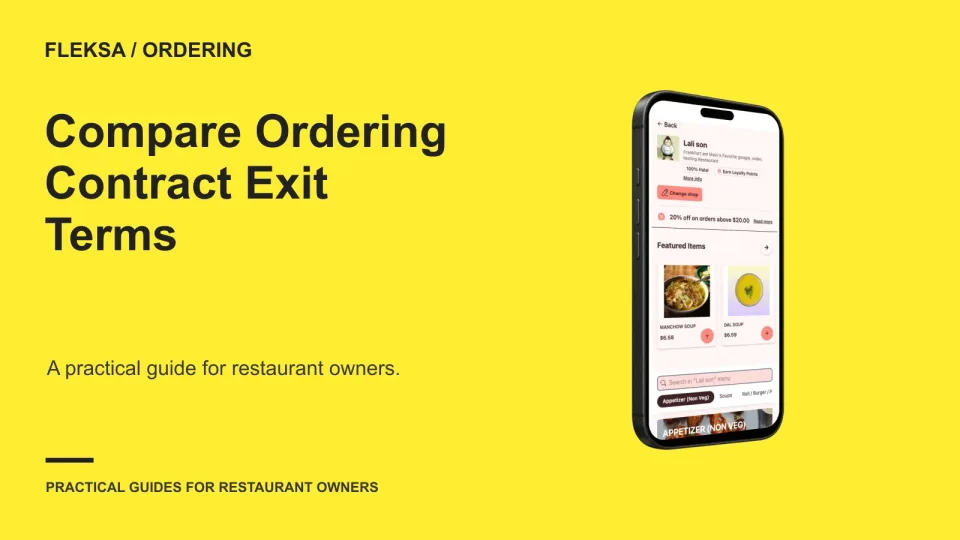
Leaving an ordering provider can become expensive or disruptive when renewal dates, data access, and ownership are unclear. Use this checklist to compare exit terms before signing or renewing, and estimate the operational costs of a change.
Page 31 of 62
Older articles for diners