Compare software, understand costs, and plan your next step.
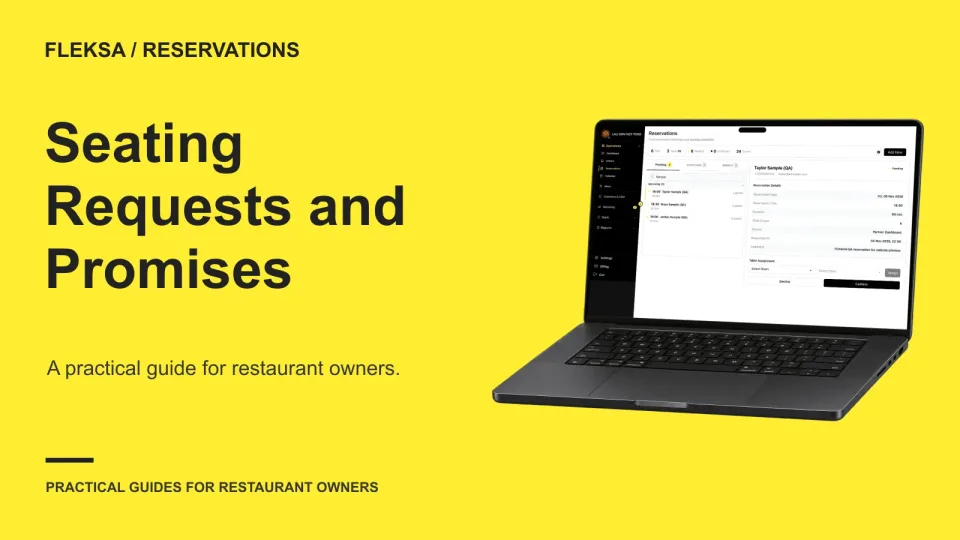
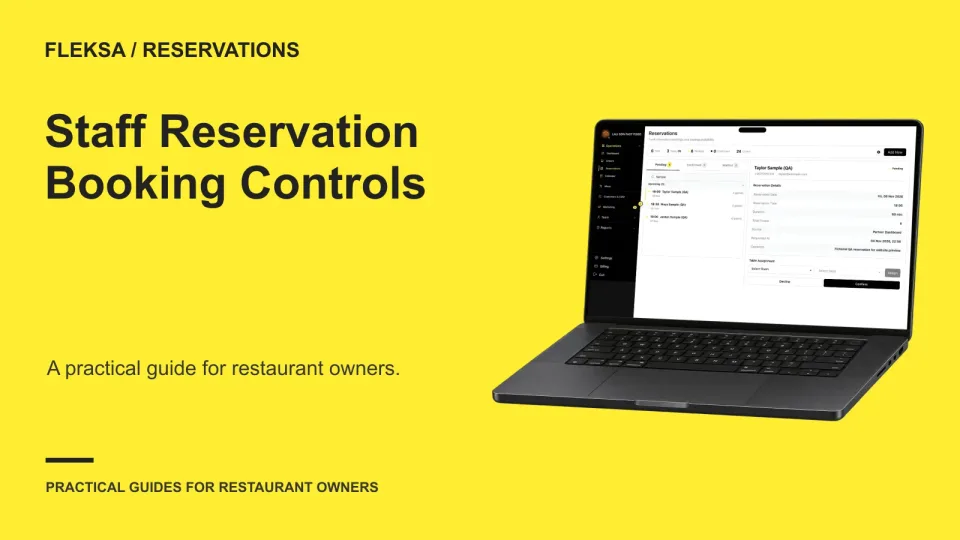
A patio request and a promised patio table are different commitments. Use this guide to compare reservation workflows, assign responsibility for exceptions, and test what happens when a guest's preferred seating is unavailable.
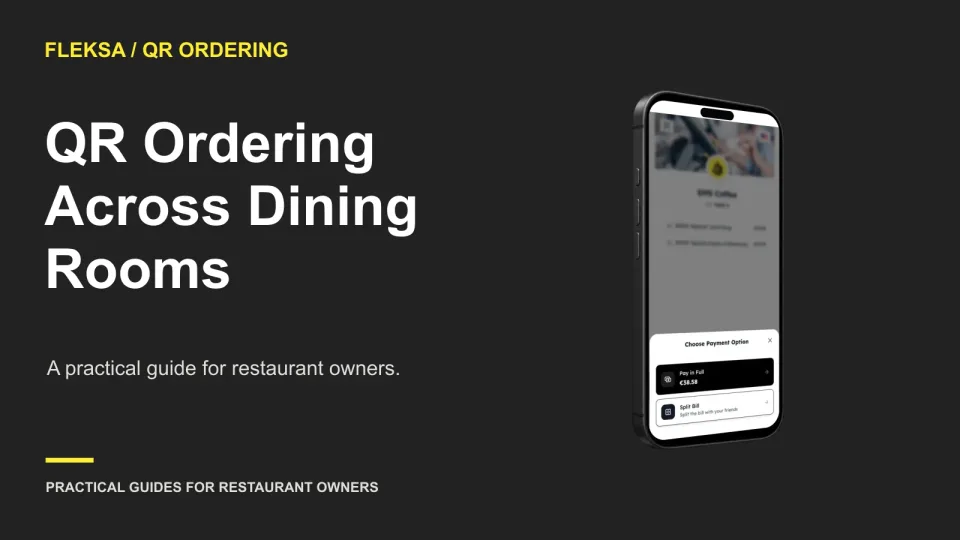
Two dining rooms can each have a table 4, but a runner needs to know which one placed an order. Use this worksheet and vendor demonstration to check room identity, handoffs, and exception handling before choosing QR ordering software.
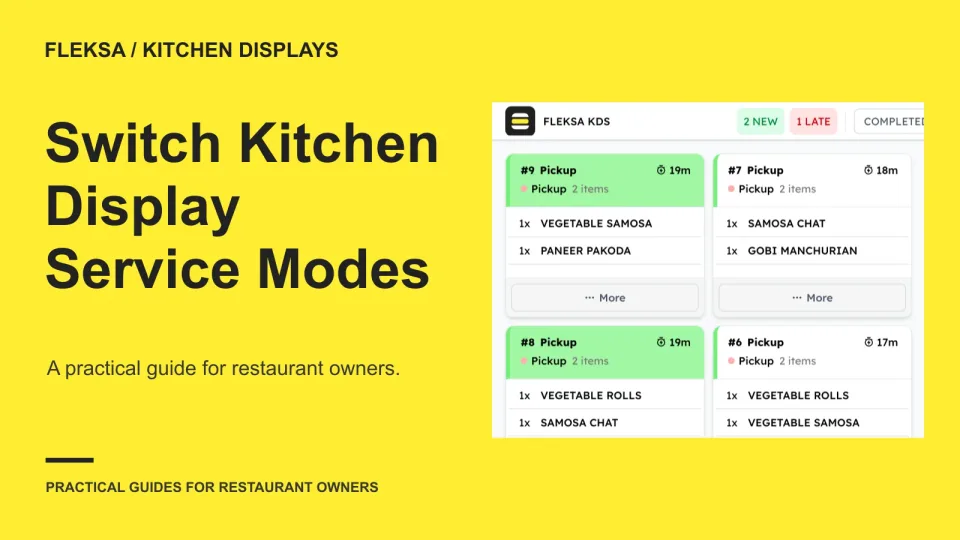
A lunch-to-dinner display change can hide unfinished work if stations or filters change. Use this practical worksheet and simulated open-ticket test to decide whether to switch configurations, keep one layout, or use a manual handoff.
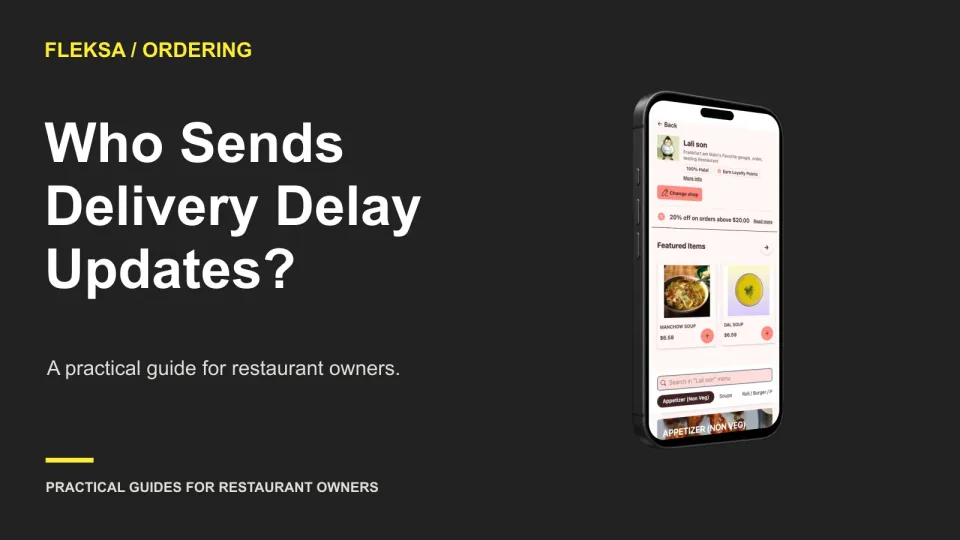
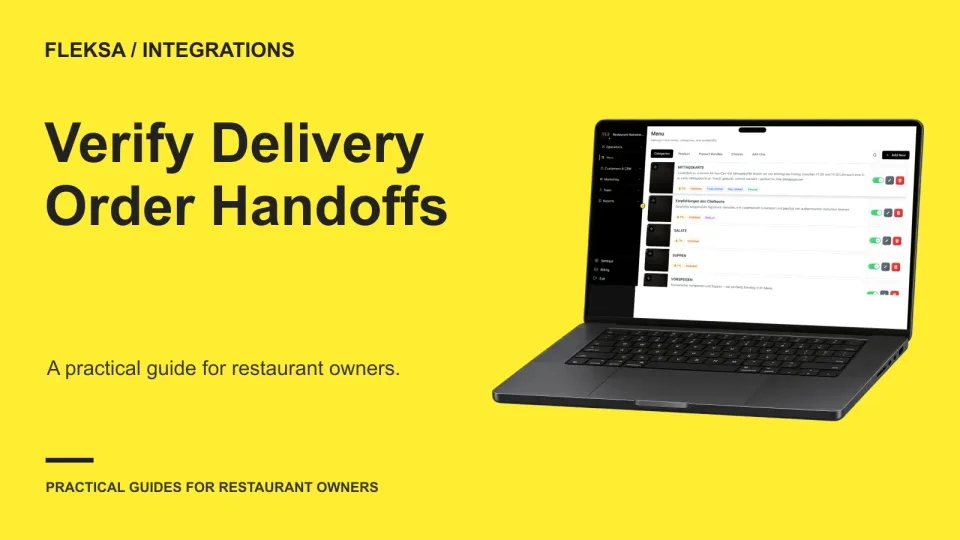
A late delivery needs one clear message owner and a reliable source of status updates. Use this practical matrix to divide responsibilities with your fulfillment partner and prevent conflicting messages.
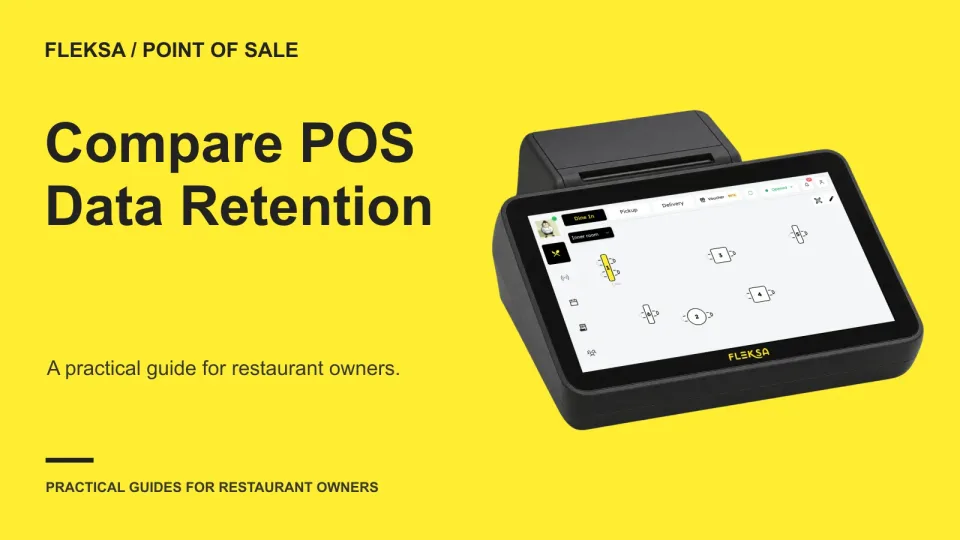
A POS may keep sales records longer than payment details or reports, and access can change when you leave. Use a retention matrix and a sample scenario to compare plan terms before your restaurant commits.
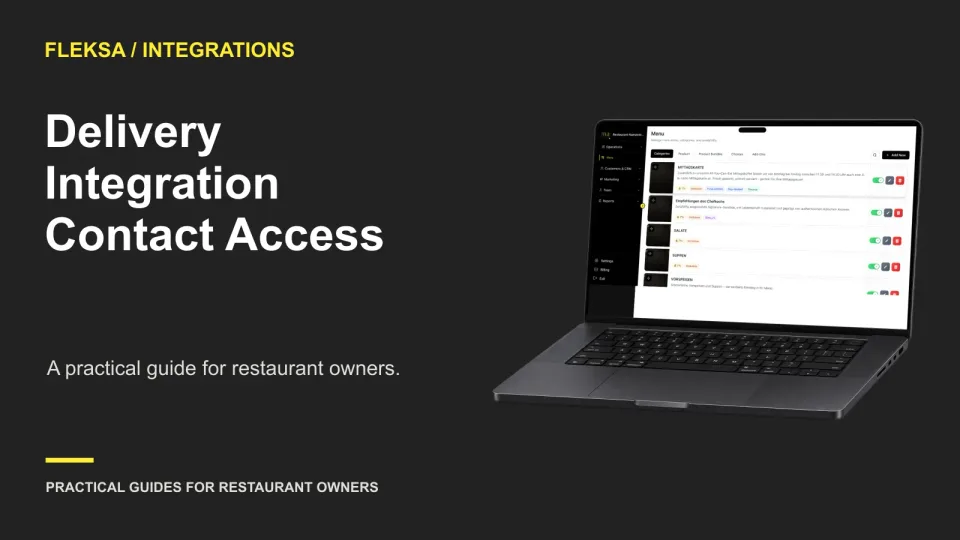
A delivery order appearing in your POS does not tell staff how to reach the guest. Use a contact-path matrix, safe simulations, and clear escalation owners to check what happens when an order needs attention.
A phone reservation should receive the same care as an online booking. Use this worksheet to check what staff must record, how capacity exceptions are handled and who owns the next action.
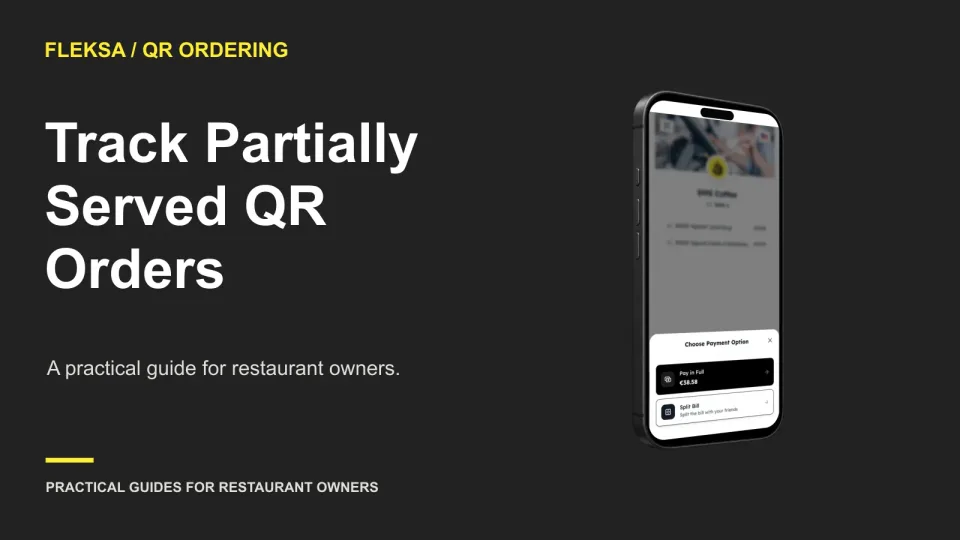
A QR order can be accepted without being fully served. Use this practical worksheet to compare item-level and whole-order views, test a delayed-item handoff and set a manual fallback when your system cannot track each item.
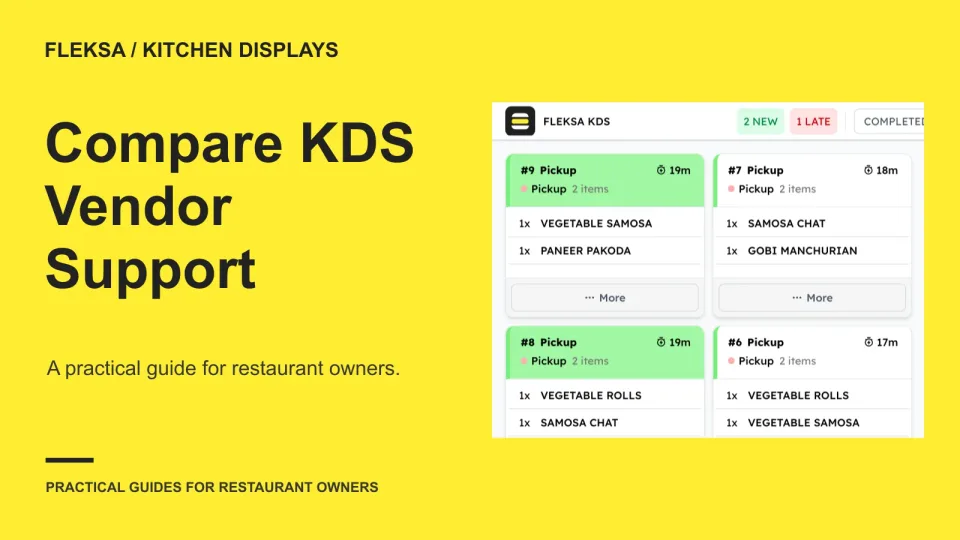
A KDS demo can show how tickets look, but support determines what happens when the kitchen cannot trust them. Use this scorecard to compare diagnostic history, peak-hour response and responsibility across vendors before signing.
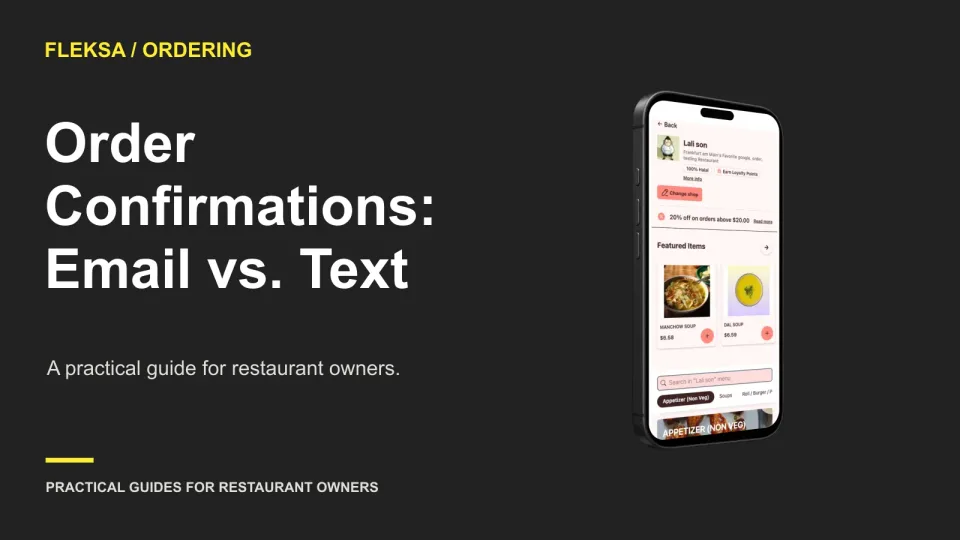
Email and text serve different needs after a guest places a direct order. Compare reach, costs and consent, then build a fallback plan for messages that don't arrive without creating extra work for your staff.
A pickup name alone may not distinguish two orders waiting at the same time. Use this two-order test card to compare channel references across the POS, kitchen ticket and courier handoff before choosing an integration.
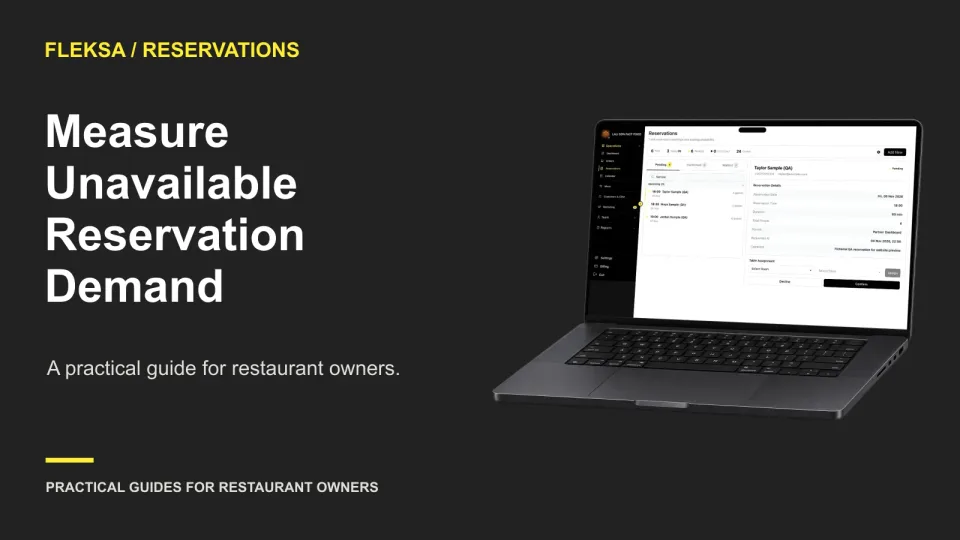
An unavailable slot can hide demand, but rejected searches are not the same as lost guests. Use this decision worksheet to assess reporting, separate repeat attempts, and decide whether a capacity change is worth exploring.
Page 39 of 62
Older articles for diners