Compare software, understand costs, and plan your next step.
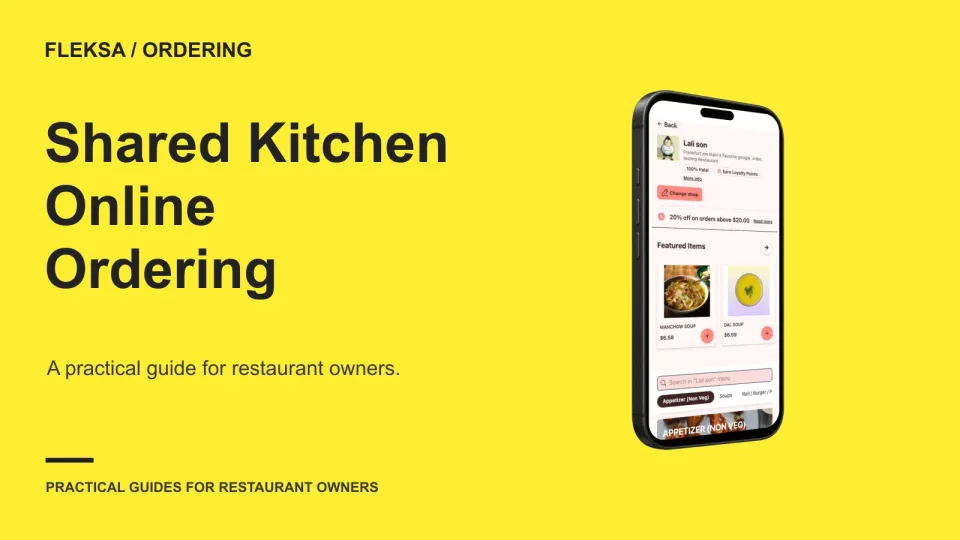
When several restaurant brands cook at one address, guests and staff need more than separate menus. Map each order from brand selection to pickup, then check the details that keep the right meal moving to the right person.
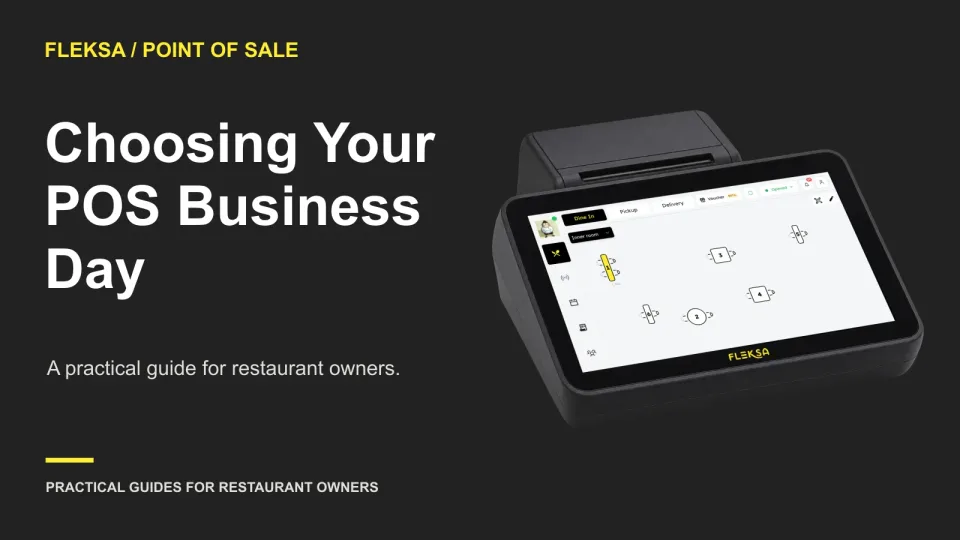
A late-night check can cross midnight before the guest pays. Choose a POS reporting boundary that matches your service, then verify how checks, payments and exceptions appear before your manager signs off.
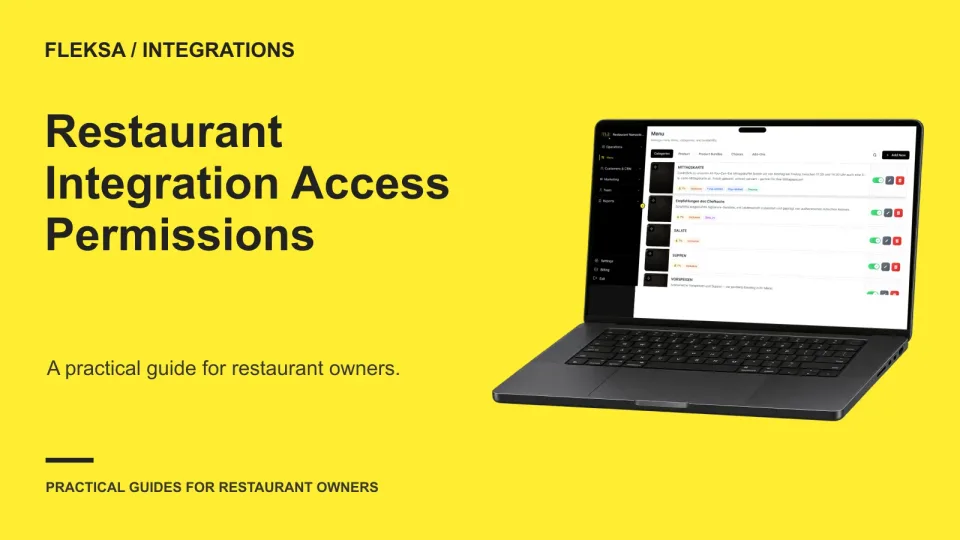
Before connecting a delivery channel to your POS, map who can grant access, what the connection can do, and how to turn it off. Use this practical inventory and a safe simulation to resolve gaps before service.
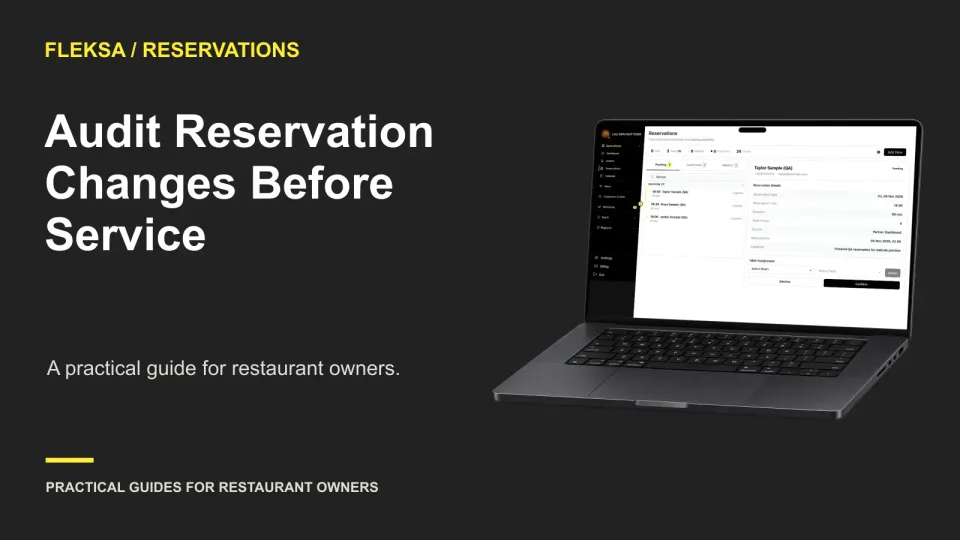
A changed reservation can disrupt a service plan even when the current booking looks correct. Use a simple change log to trace the time, account and guest communication, then assign a clear owner for the fix.
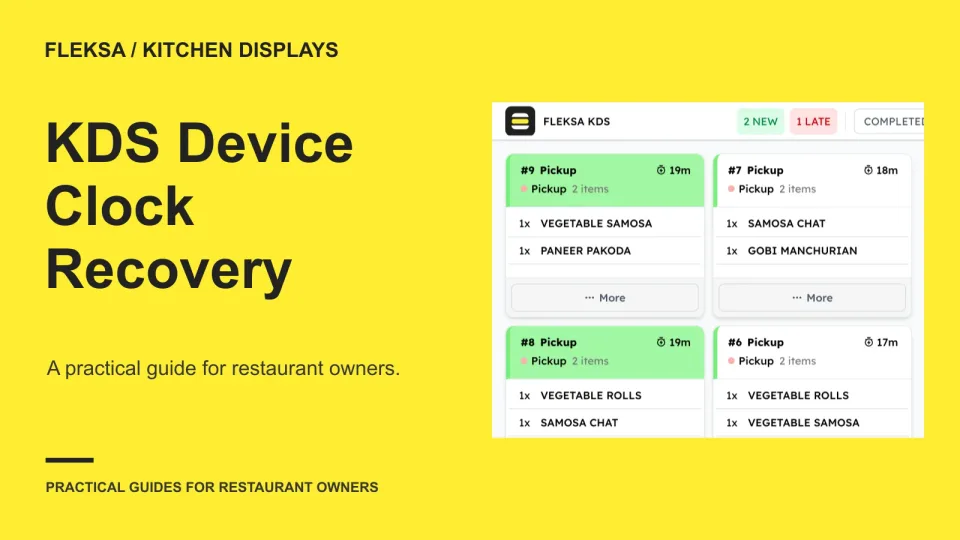
A kitchen screen can show a plausible ticket age while its device clock is wrong. Use this practical worksheet to compare displayed timing with an authoritative event record, check recovery, and set buying criteria before service depends on it.
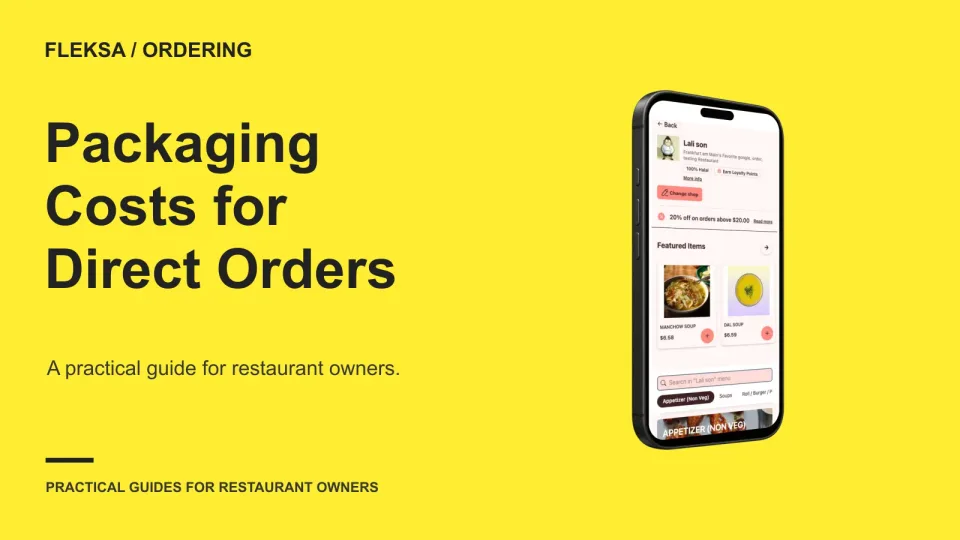
Packaging can quietly reduce the contribution from every direct order. Use a simple cents-per-order worksheet to account for containers, delivery extras, waste, and replacements without confusing packaging with processing or courier costs.
A POS integration change can affect orders before anyone at the restaurant notices. Use a vendor responsibility matrix and a safe test plan to determine who will warn you, who will test, and what happens if a change disrupts service.
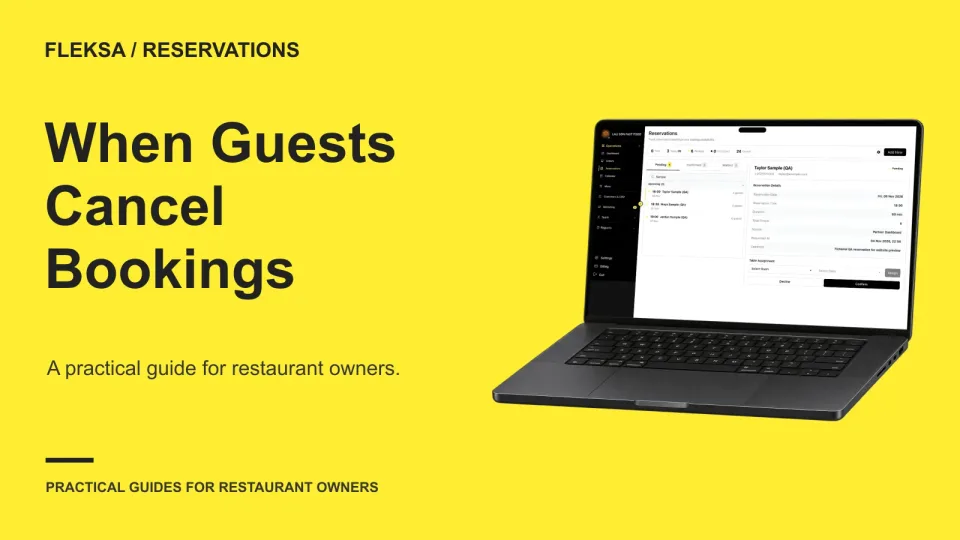
A canceled reservation is easier to manage when you know how much notice it gives you. Build a simple service-by-service view, compare it with later demand, and choose a practical policy test without assuming every new booking replaces a cancellation.
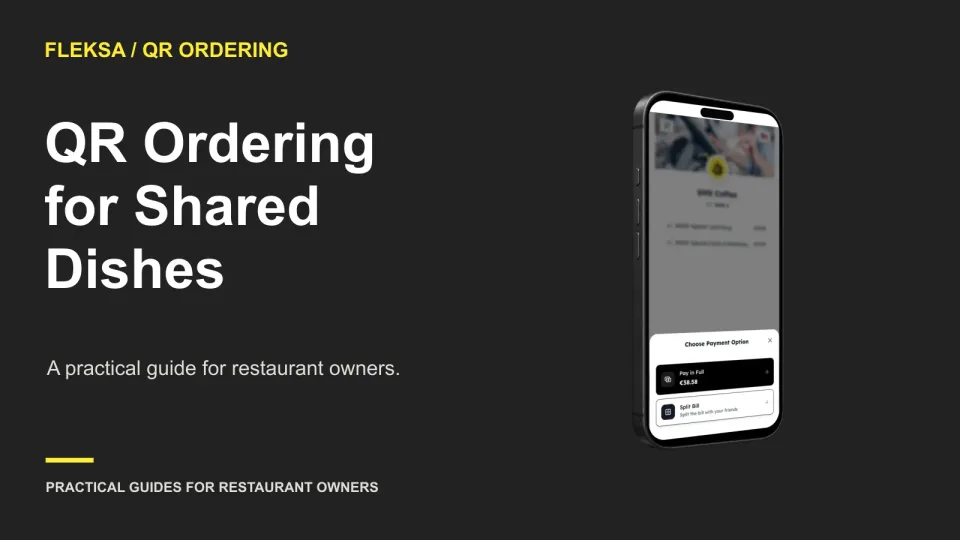
When guests order separately at one table, a shared appetizer still needs a clear place on the check. Use this worksheet to compare allocation options, assign staff responsibility and test exceptions before choosing a QR ordering system.
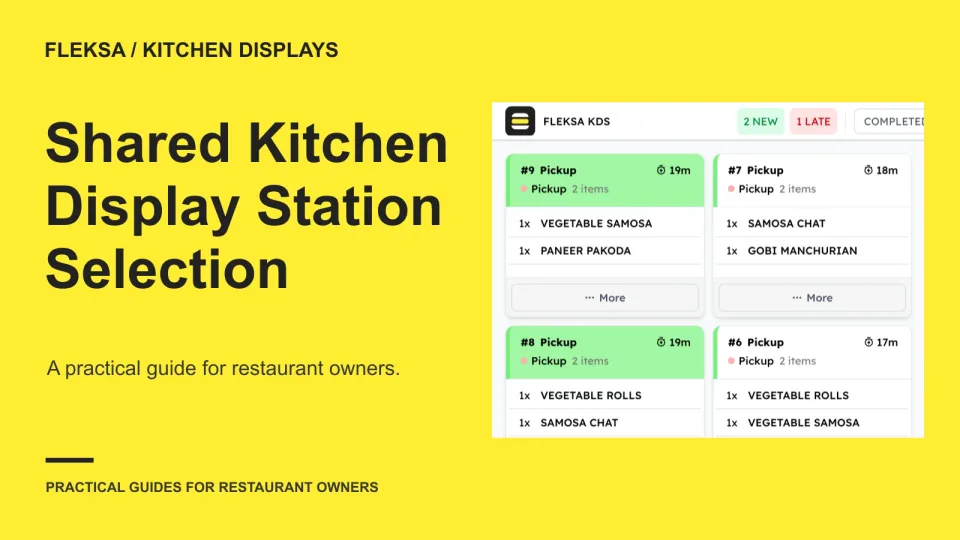
When cooks share a kitchen screen, the active station needs to be obvious at every handoff. Compare fixed and staff-selected views, set acceptance criteria, and ask vendors to demonstrate what happens to unfinished orders.
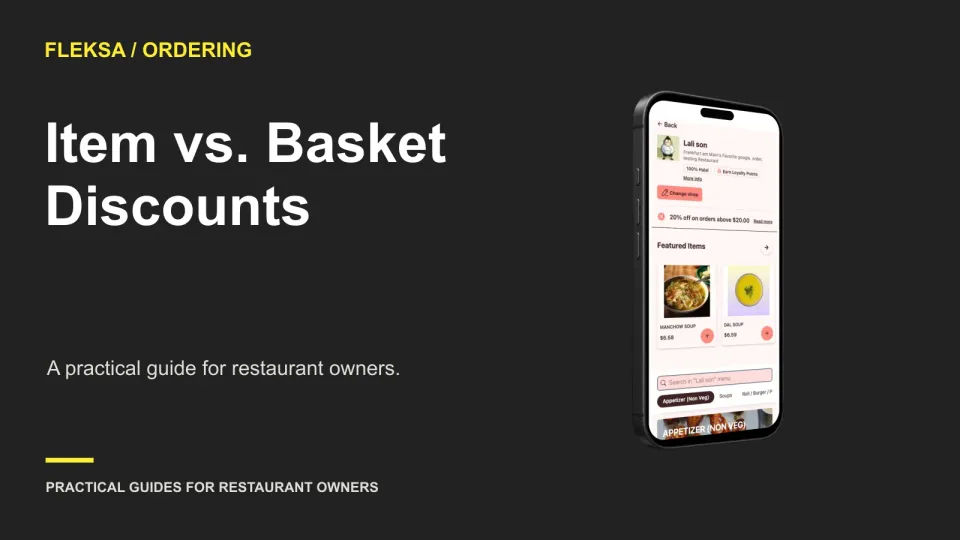
An item discount is usually easier to trace to a dish; a basket discount is often simpler for guests to understand. Compare both against realistic orders, check what appears before payment, and measure whether the promotion creates additional completed orders.
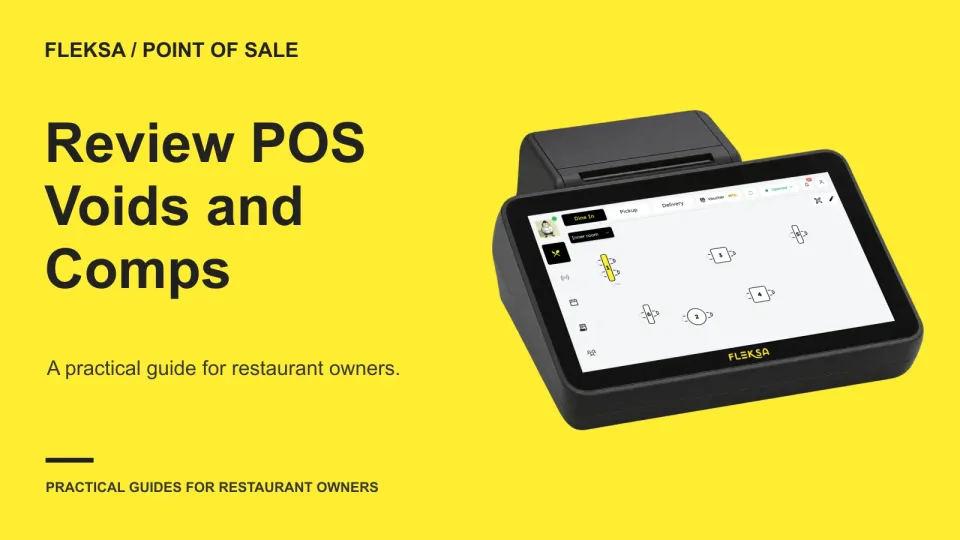
A voided or comped item may not be paid for, but a manager still needs to see what happened. Use a sample check and an exception review to compare POS reports before you buy.
Page 41 of 62
Older articles for diners