Compare software, understand costs, and plan your next step.
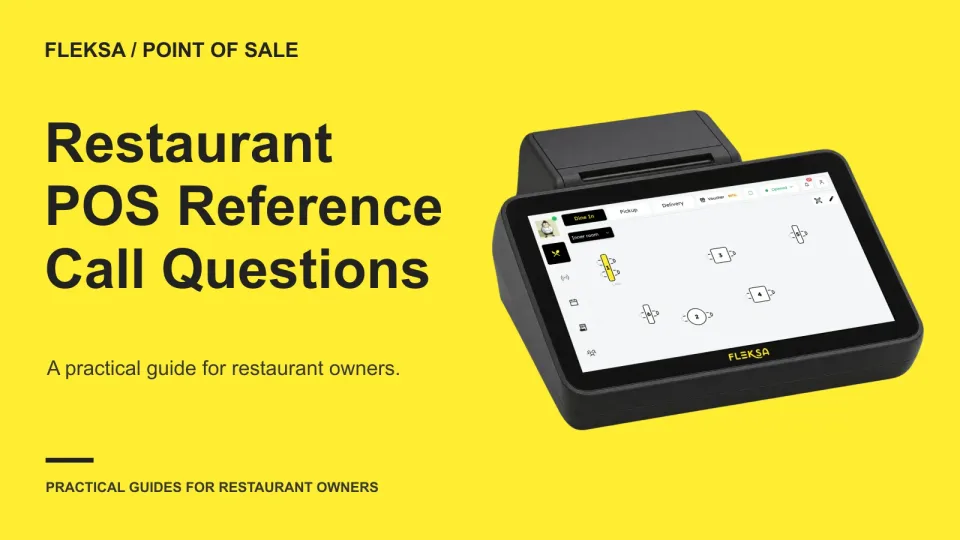
A POS reference is useful only if their experience helps predict what your restaurant will face. Use these questions and a simple evidence sheet to check the match, probe implementation and costs, and follow up on unanswered questions.
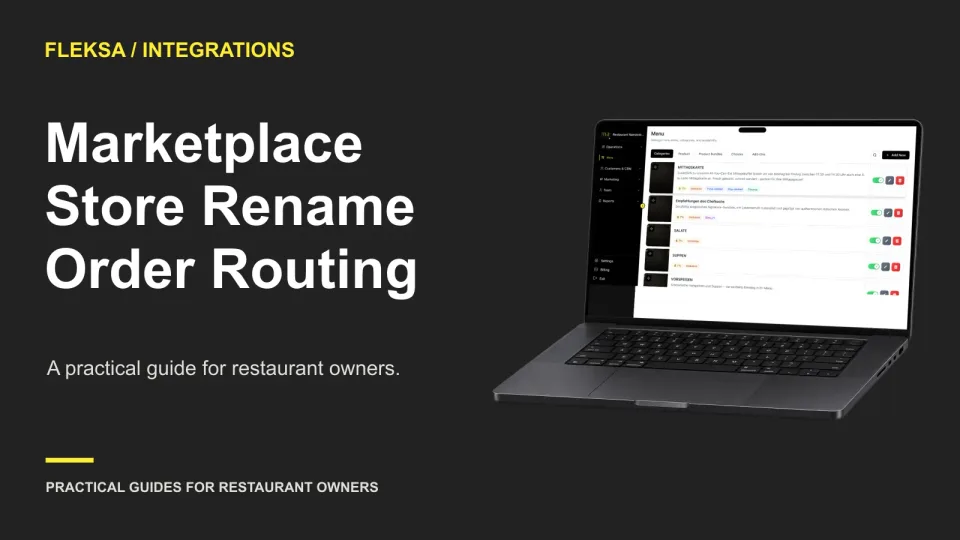
A marketplace name change may leave the underlying location connection intact, but the visible label alone cannot prove it. Map the identifiers, check the order path, and agree on a safe test before approving a rename.
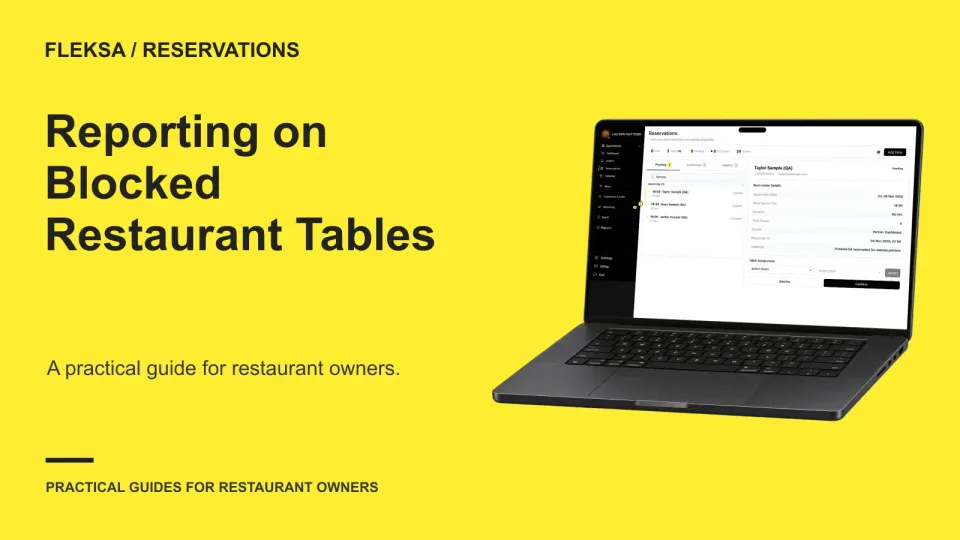
A reservation report can make a dining room look full when tables are actually blocked for staffing or repairs. Use this worksheet to separate physical capacity, guest bookings and operational blocks before choosing software.
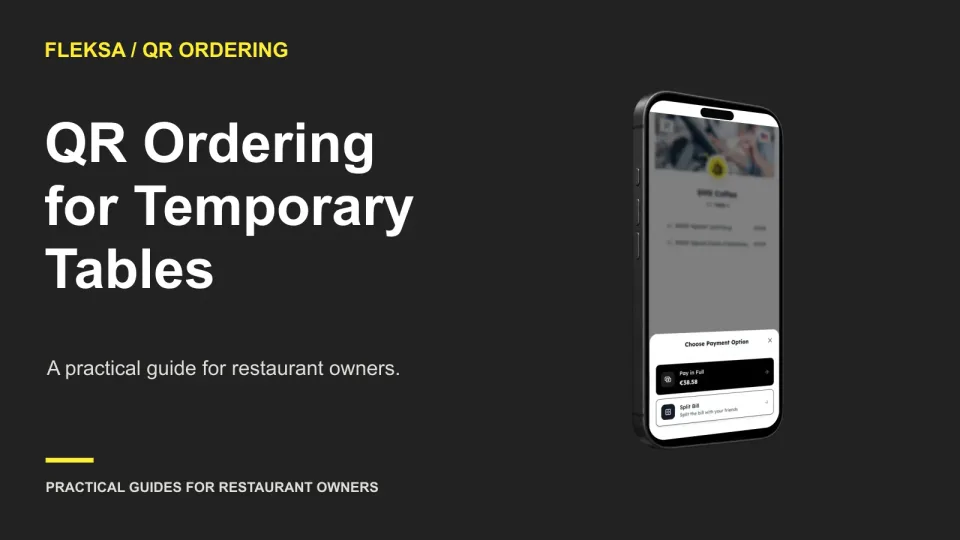
Temporary seating needs its own table identities, a clear handoff for staff, and a plan for open orders. Use this practical worksheet to map event tables, check QR codes, and close out service without disrupting permanent tables.
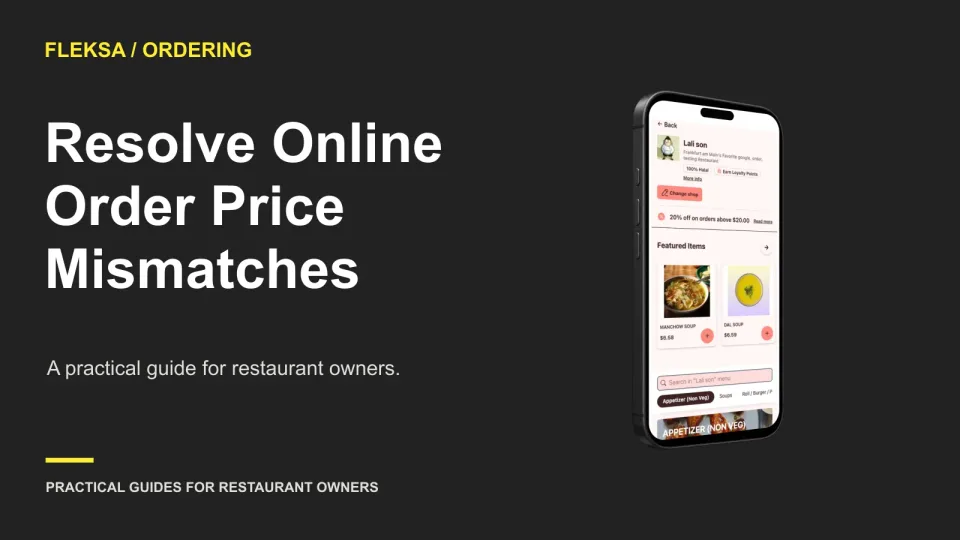
When a guest sees one price on the menu and another at checkout, staff need to check the item, options, fees, and menu version before asking for payment. Use this investigation tree to find the source and decide what to do next.
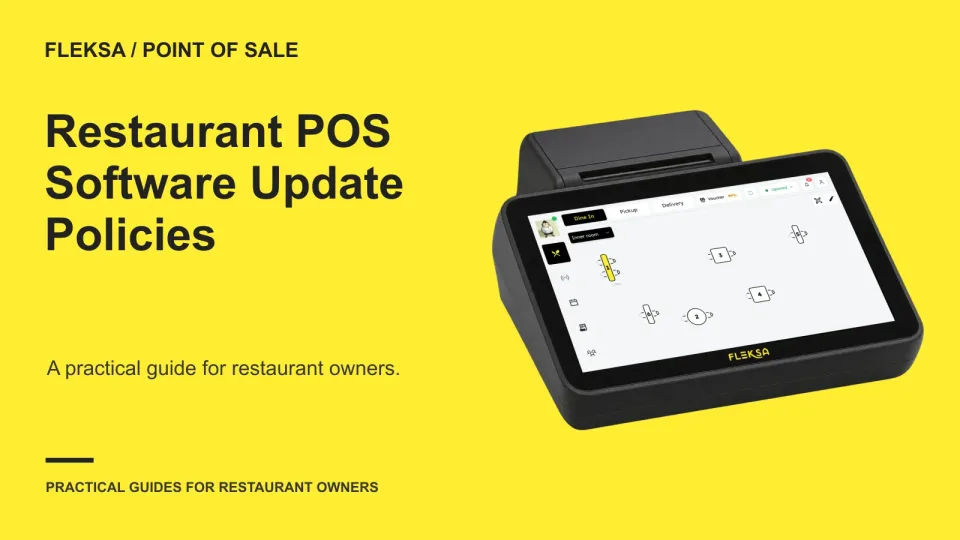
A POS update can change what staff see, how connected tools communicate and when devices are available. Use this release-readiness questionnaire to compare providers and plan for service, training and support before you sign.
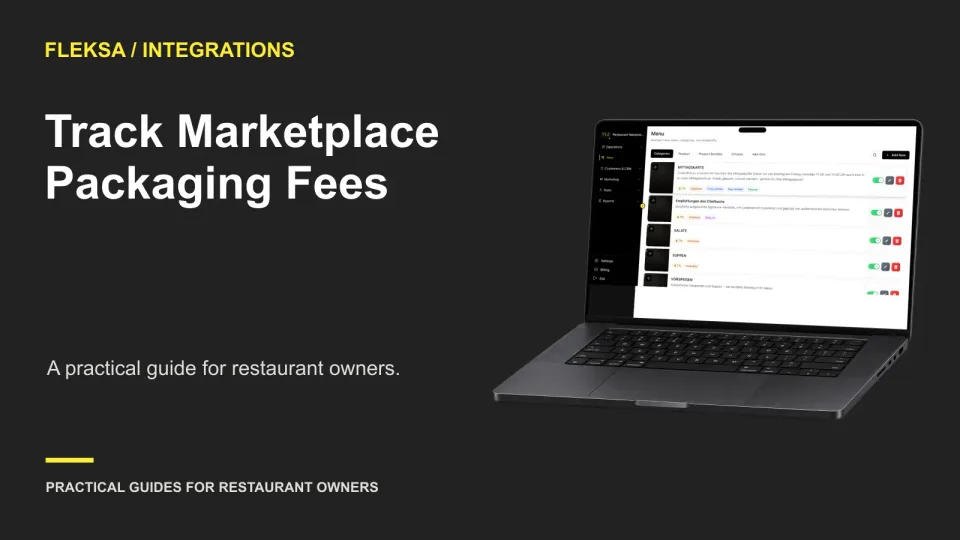
A delivery packaging charge can reach the guest while disappearing into food sales in your reports. Use this practical scenario to check the order, POS classification, and marketplace statement before approving an integration.
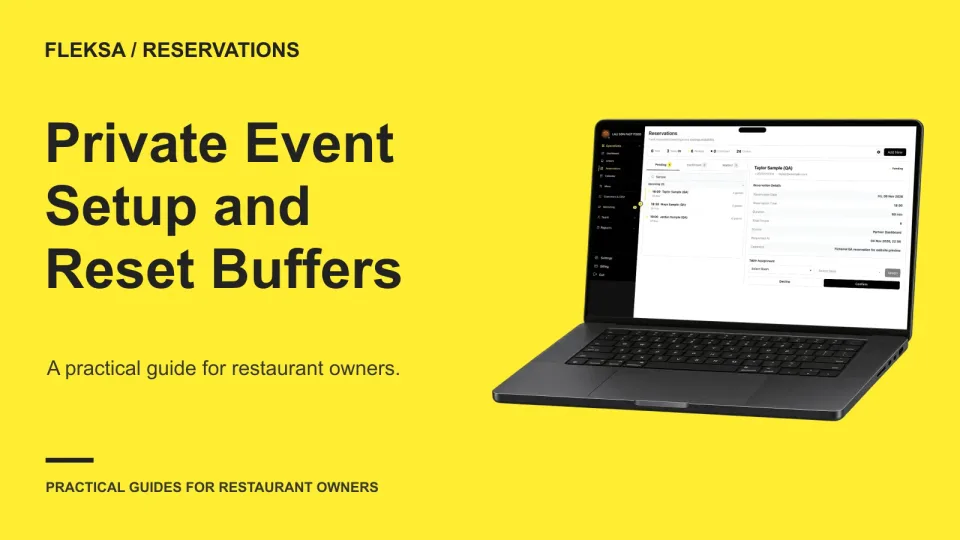
A private event occupies a room before guests arrive and after they leave. Use a practical timeline and acceptance test to check whether your booking workflow protects setup and cleanup time without blocking more capacity than necessary.
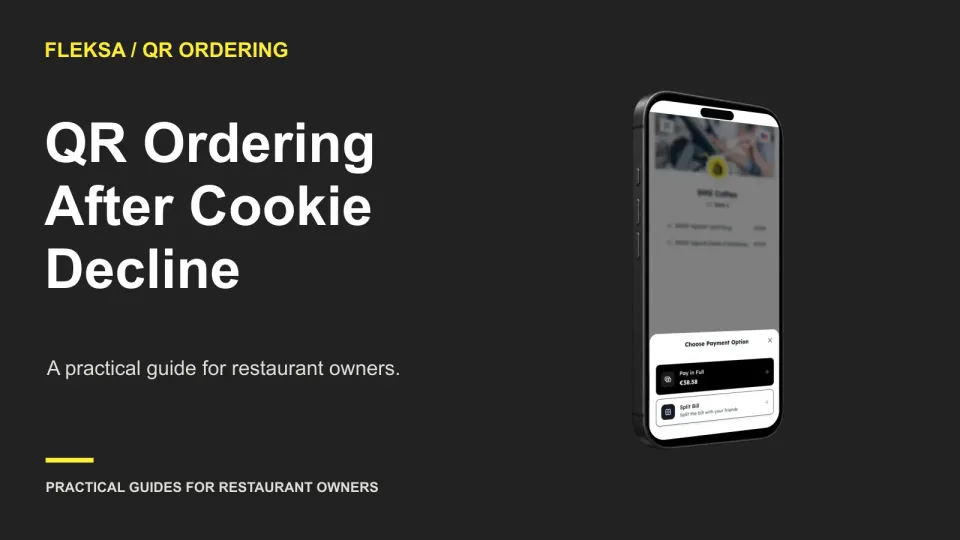
A guest’s privacy choice should be part of your QR ordering evaluation. Use this practical worksheet to check table identification, cart behavior, payment handoff and vendor evidence before choosing a system.
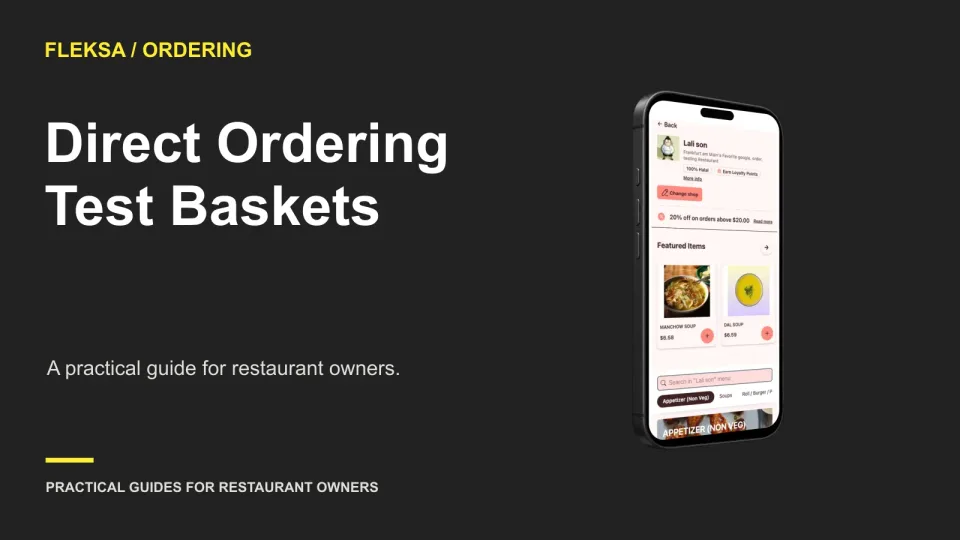
A useful test basket looks like an order a real guest might place, including the choices that can change its price or timing. Use this matrix to select a small set of simulated orders and calculate expected totals.
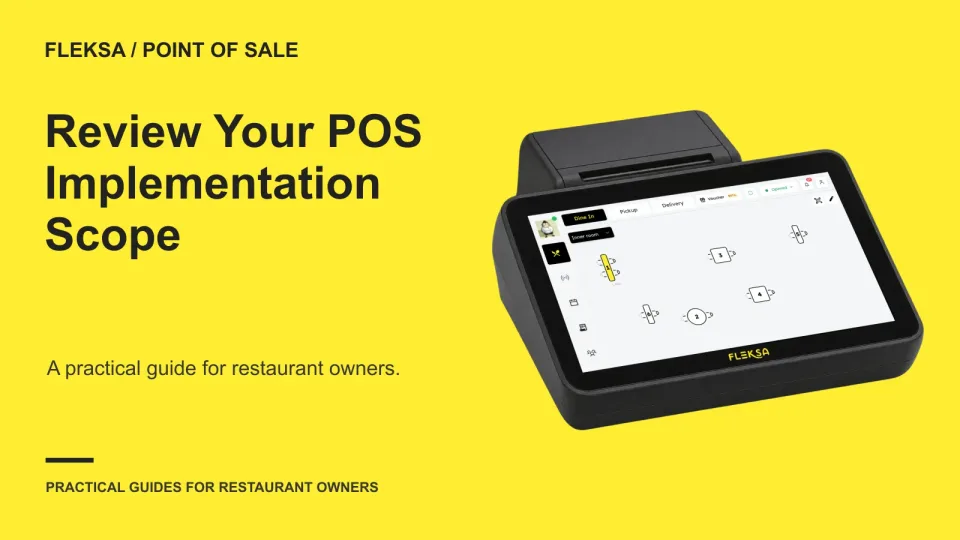
A POS implementation scope should say who sets up the menu and equipment, how the restaurant will check the work, and what happens when plans change. Use this guide to turn a vendor’s project description into an actionable agreement.
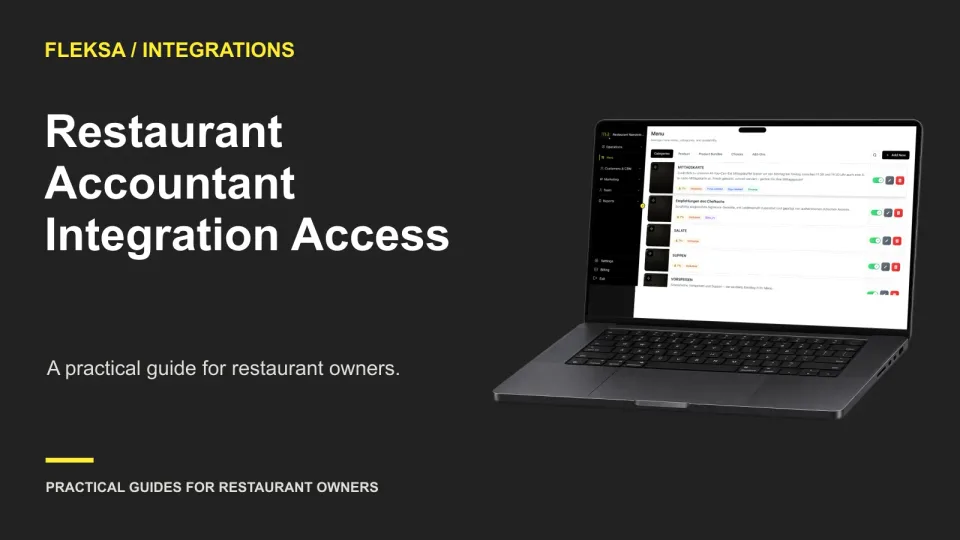
An external bookkeeper may need marketplace and POS reports without the power to change orders or menus. Use this practical permission test to check report coverage, denied actions, support access, and removal before you approve a setup.
Page 44 of 62
Older articles for diners