Compare software, understand costs, and plan your next step.
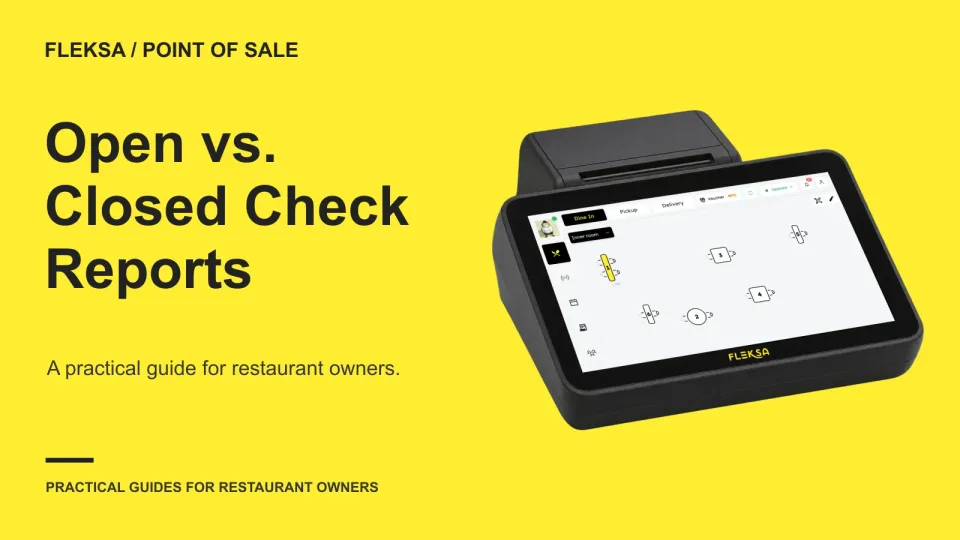
A live sales total may include unpaid orders, paid checks, or something in between. Use a small shift example to compare report rules, payment timing, and the evidence a POS vendor should provide.
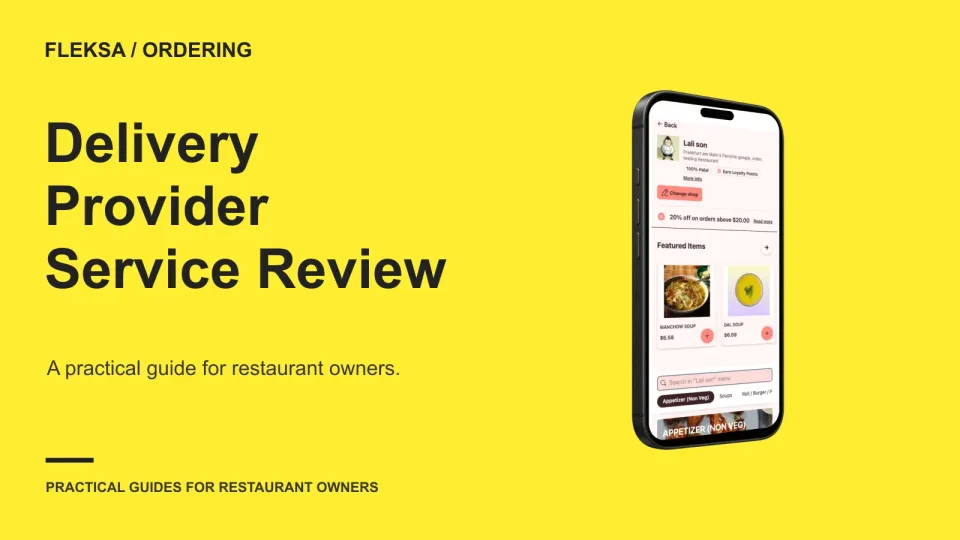
A useful delivery review starts with matched order records, not a complaint about a busy Friday. Bring a short metrics sheet, a sample of problem orders, and the written fee terms so both sides can agree on what to fix.
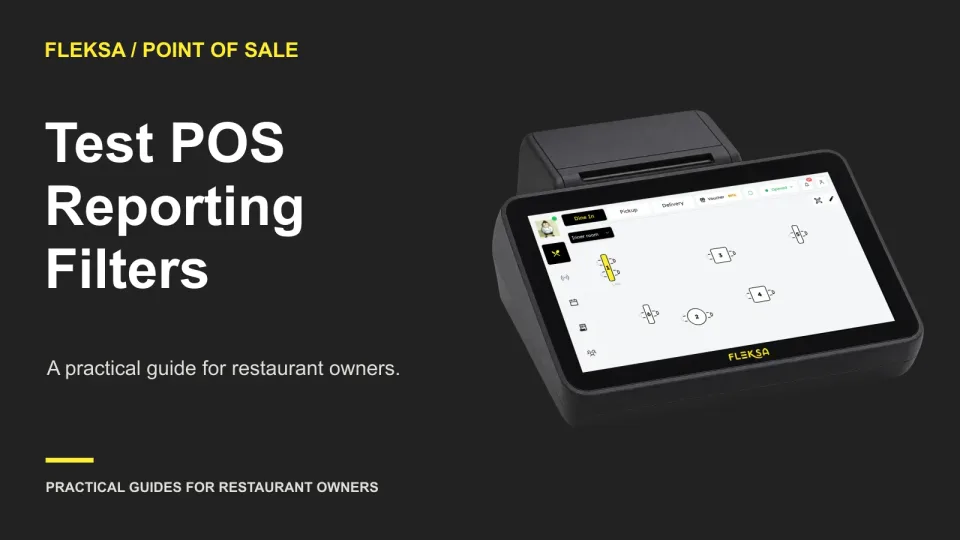
A POS report can look accurate until you combine location, device, and staff filters. Use this sample shift and test matrix to see whether the totals reconcile—and whether the definitions match how your restaurant works.
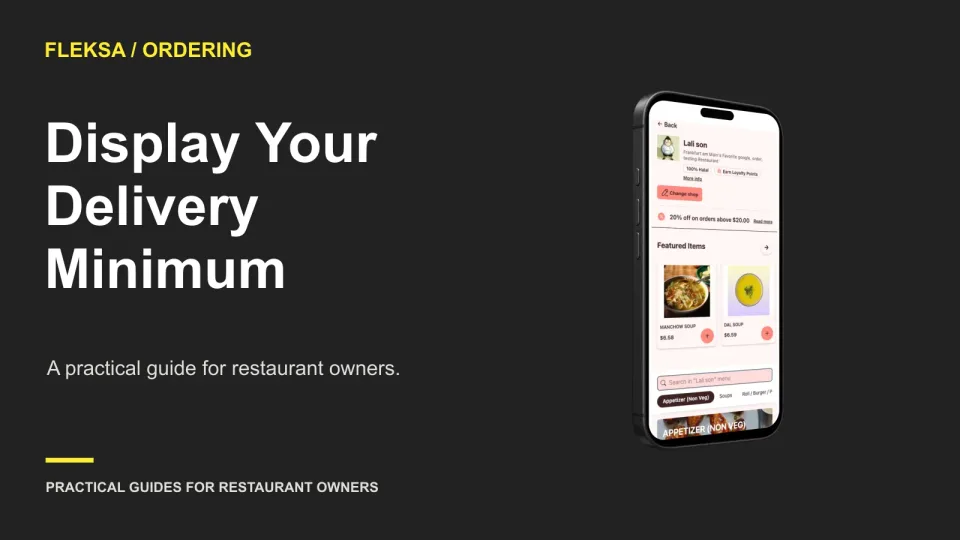
A delivery minimum is easier to accept when guests can see the threshold and their progress before checkout. Use these display decisions and cent-level test cases to make the rule clear, including when delivery zones have different minimums.
A shared POS may need to work in several staff languages while keeping the guest menu consistent. Use this practical sign-in, approval, and sign-out test to spot language gaps before choosing a system or rolling it out.
Showing a delivery charge that disappears with pickup can help guests choose the option that suits them. Use this practical worksheet to compare costs, check capacity, and measure whether the change improves completed orders.
A familiar abbreviation can point staff to the wrong dish when menu names are similar. Use this practical search test to compare expected results, track mistakes and recovery, and decide whether a workaround is acceptable.
A farther delivery zone may need a higher minimum, but distance alone is not enough. Compare delivery costs and basket contribution, then check whether the minimum makes ordering too difficult for nearby customers.
A floor plan edit should not leave staff guessing which guests own an open check. Use a controlled sample scenario to assess permissions, check identity, device refresh, and rollback before you change the layout during service.
A smaller delivery area can protect food quality when the kitchen or drivers are stretched, but it can also turn away regulars. Use travel-time bands, service limits and a short test to choose the right peak-hour response.
A useful delivery promise gives guests a realistic range without making them wait unnecessarily. Learn how to measure elapsed delivery time, choose a window, and adjust it when traffic or kitchen demand changes.
A substitution can look correct on the guest check and still confuse the kitchen. Use one dish and two approved swaps to check pricing, preparation instructions, reporting and the workarounds staff would need.
Page 52 of 62
Older articles for diners