Compare software, understand costs, and plan your next step.
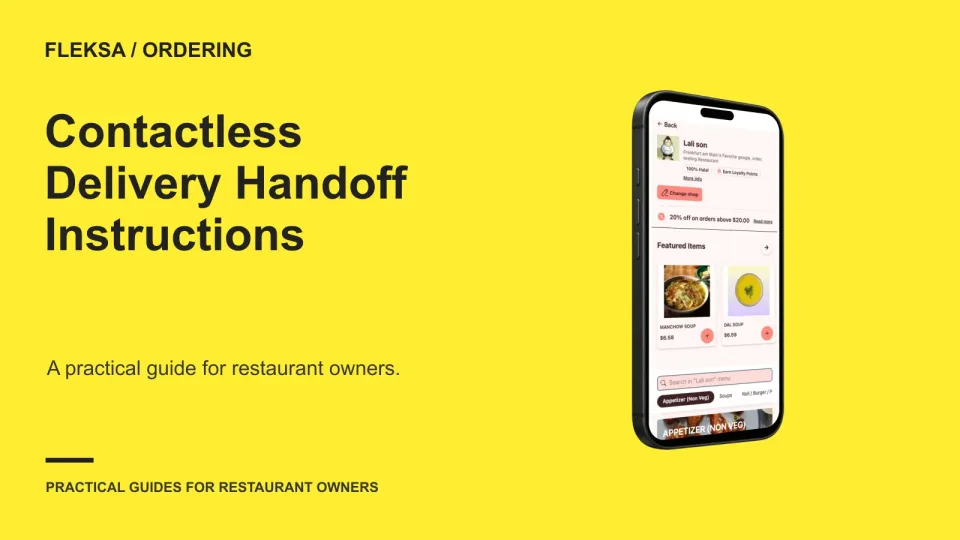
A correct address does not tell a driver where to leave a meal. Use this practical checklist to collect a handoff location, access details, notification preference, and a fallback when the original plan fails.
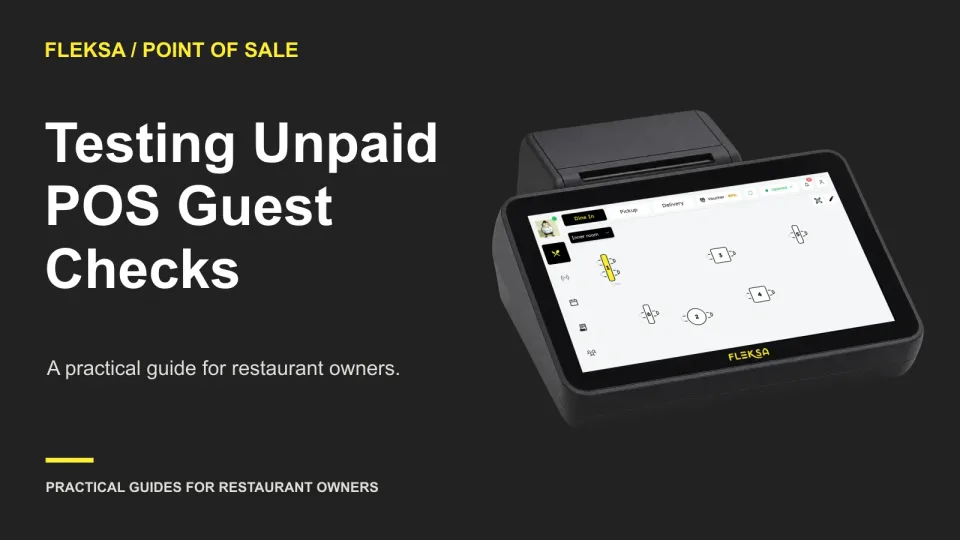
A guest check should identify the right table, show the current amount due and make its unpaid status clear. Use this practical test to compare an original check with a revised version before choosing a POS.
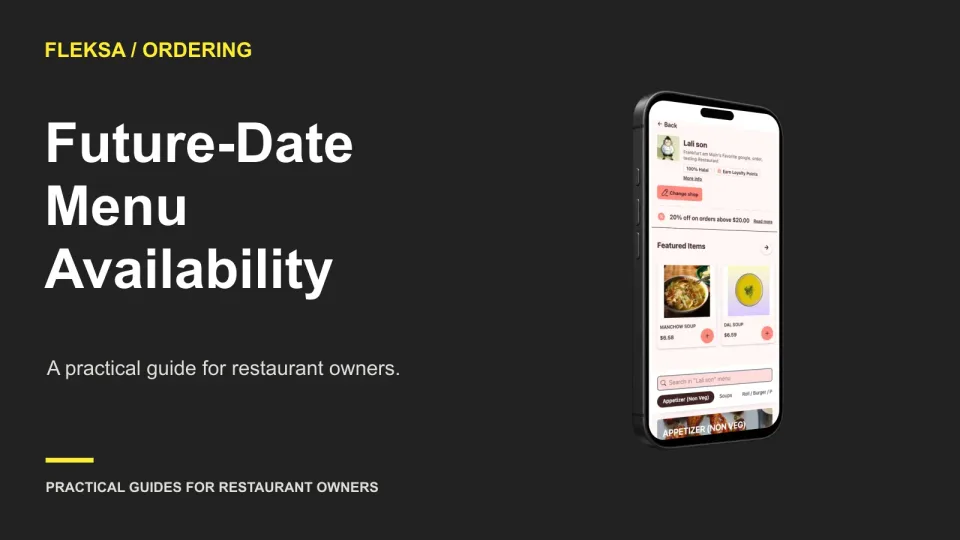
Future orders need more than a scheduling button. Map each item's service dates and preparation needs, show eligible choices before checkout, and test what happens when a guest changes the date or an item becomes unavailable.
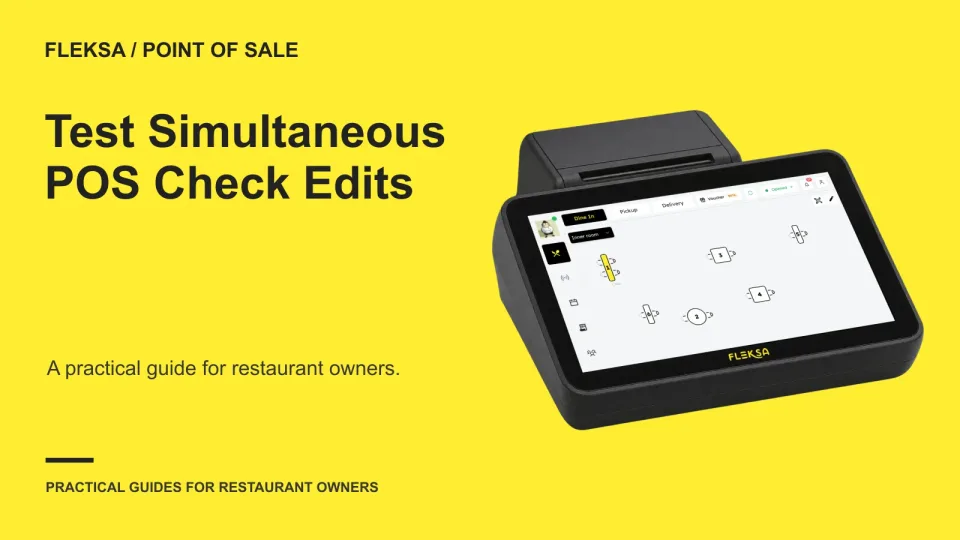
Two servers may need to add items to the same open check at nearly the same time. Use this practical test to check item preservation, conflict warnings, kitchen output, and recovery before choosing a POS.
Pausing new orders does not settle the orders already accepted. Use this practical handoff checklist to identify what is owed, assign each order an owner, communicate changes, and clear the queue before reopening.
A canceled booking or smaller final bill can leave part of a customer deposit unused. Use these scenarios to evaluate how a POS identifies the balance, routes the decision, and records what happens next.
When one modifier sells out, the whole menu item does not always need to disappear. Learn how to handle required choices and optional add-ons, present unavailable options, and test what happens to an existing cart.
A guest can add an item while it is available and find it sold out at checkout. Use this checklist to assess rechecks, clear messages, alternatives, payment handling, and order submission before a busy service.
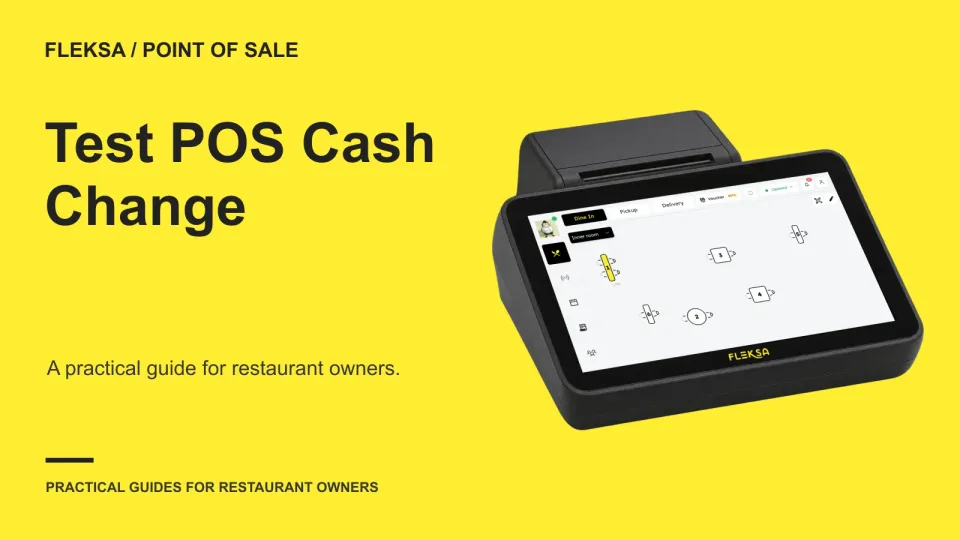
A cash sale can look right at checkout and still leave questions at close. Use three sample transactions to check change calculations, correction permissions, receipts and reports before choosing a restaurant POS.
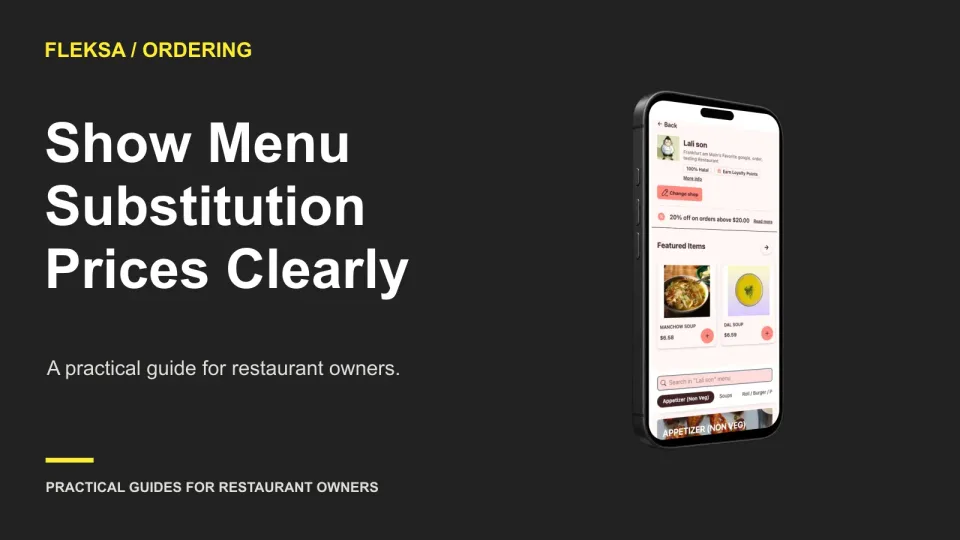
A substitution price should be visible beside the choice and carried through to the basket. Use this practical checklist and worked example to decide what to show, calculate the total, and check changes before accepting orders.
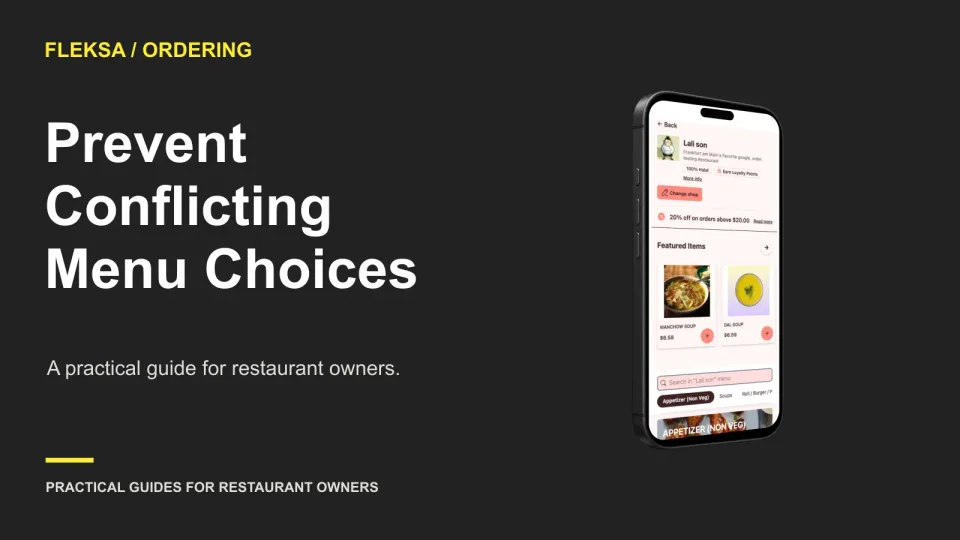
Some menu options work on their own but cannot be prepared together. Use a staff-built decision table to identify conflicts, choose how guests see them and check that changes do not leave an invalid order.
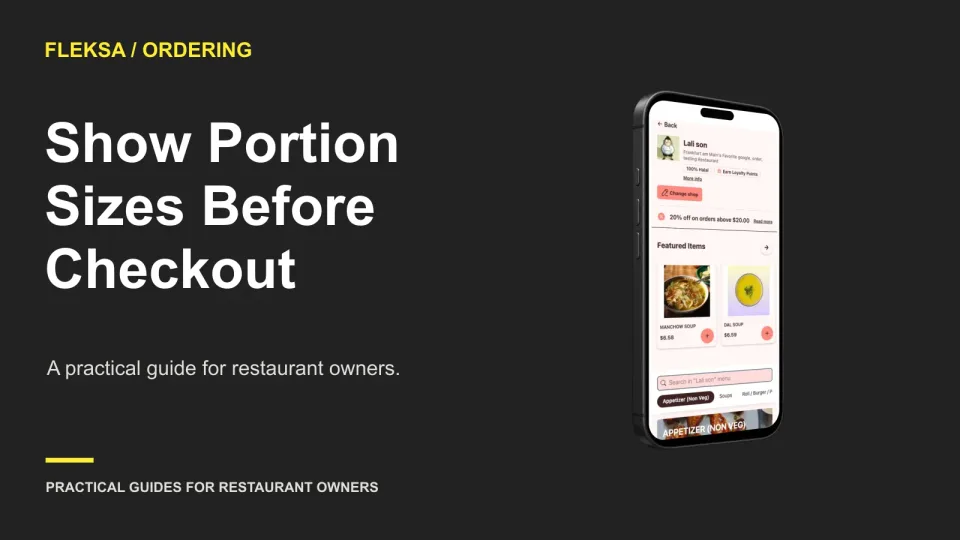
A portion name alone rarely tells a guest how much food to expect. Use measurable quantities, included components, and a quick mobile check to make size choices clearer before checkout.
Page 53 of 62
Older articles for diners