Compare software, understand costs, and plan your next step.
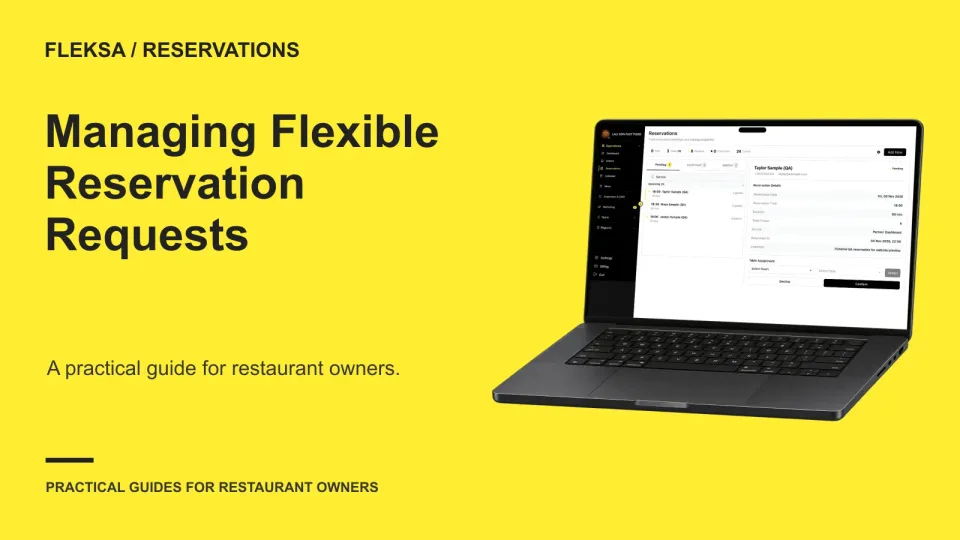
When a guest can dine at several times, staff need a clear way to offer one suitable reservation without tying up the room. Compare time ranges and independent holds, then test how each option handles confirmation and release.
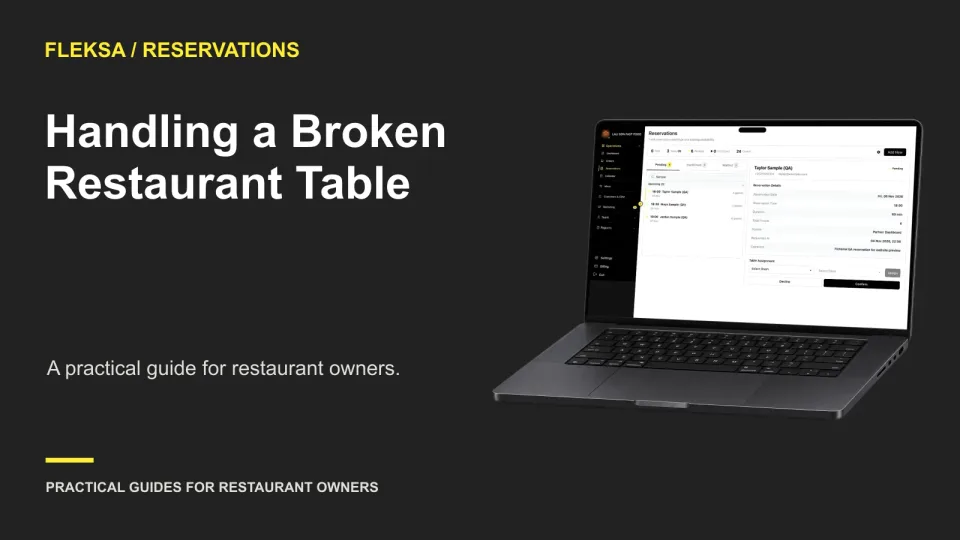
A broken table can affect several bookings, not just the next party due to arrive. Use this practical worksheet to map the impact, choose replacement seating, and test how a reservation system handles the exception.
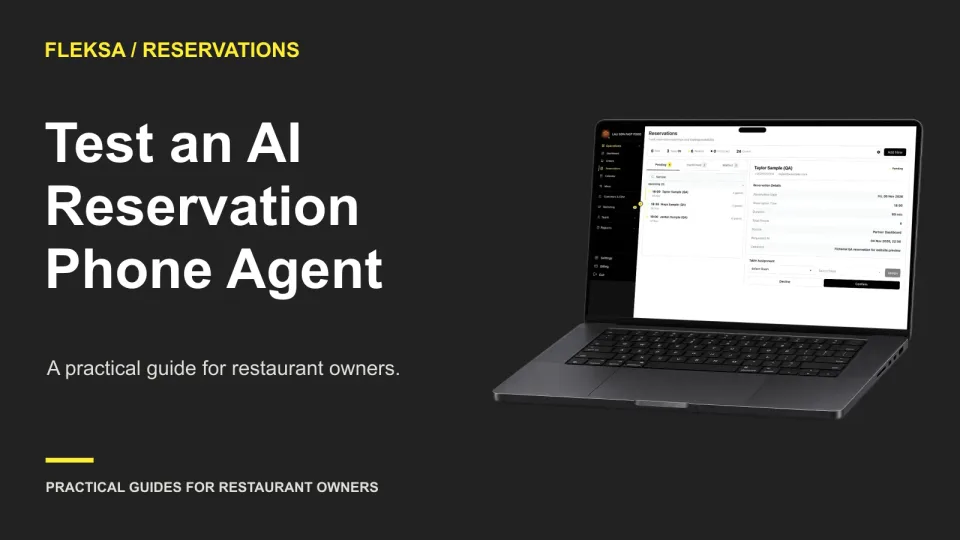
An unclear phone request can become a wrong reservation or an empty promise. Use this practical test and decision worksheet to check how an AI agent clarifies details, verifies availability, and hands a changed request to staff.
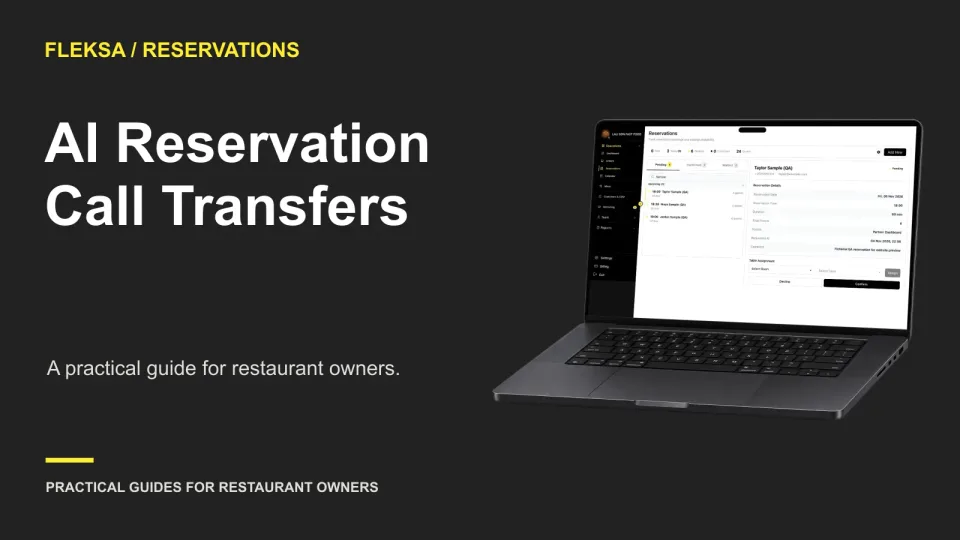
A reservation phone agent needs clear limits and a workable path to a person. Use this worksheet to set transfer triggers, define the details a host receives, and check the fallback before service begins.
A final cover count tells you how many guests were recorded, but not necessarily who changed the number. Use this practical worksheet to evaluate editing permissions, recoverable history, and reporting before choosing a reservation system.
A daily reservation release spreads demand but requires a reliable routine. A monthly batch concentrates work and can leave fewer future dates available. Use this worksheet to choose a pattern and check it before launch.
A missed reservation does not always cost the full value of the meal. Use this practical worksheet to estimate lost contribution, account for replacement diners, and decide which service periods justify a response.
Before offering the same tables through multiple channels, identify the availability authority, map every booking entry point, and agree on a conflict response. Use this practical checklist to make ownership and reconciliation clear before service.
Per-cover pricing changes with guest volume, while a flat fee can make the monthly bill easier to predict. Use this worksheet to compare booking channels, cancellations, message charges, and the costs that may sit outside either plan.
An embedded widget keeps the booking form on your website; a hosted page sends guests to a separate page. Use this practical worksheet to compare the guest experience, maintenance work, and confirmation flow before choosing.
A reservation migration rehearsal can expose missing notes, time errors, and table conflicts before guests are affected. Use fictional bookings to check the workflow, then reconcile authorized records at cutover with one person responsible.
A lower reservation bill is only useful if your team can still manage tables and reach guests. Compare booking channels, fee models and data access before choosing an OpenTable alternative or moving existing reservations.
Page 7 of 8
Older articles for diners