Compare software, understand costs, and plan your next step.
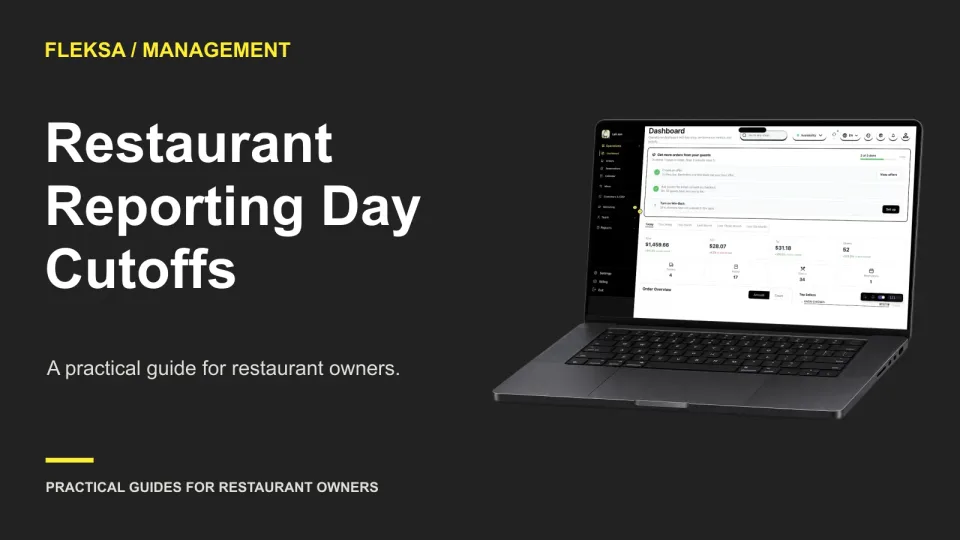
A midnight cutoff can split one dinner service across two report dates. See how an overnight cutoff changes the numbers, which reports need to match, and what to check before changing your settings.
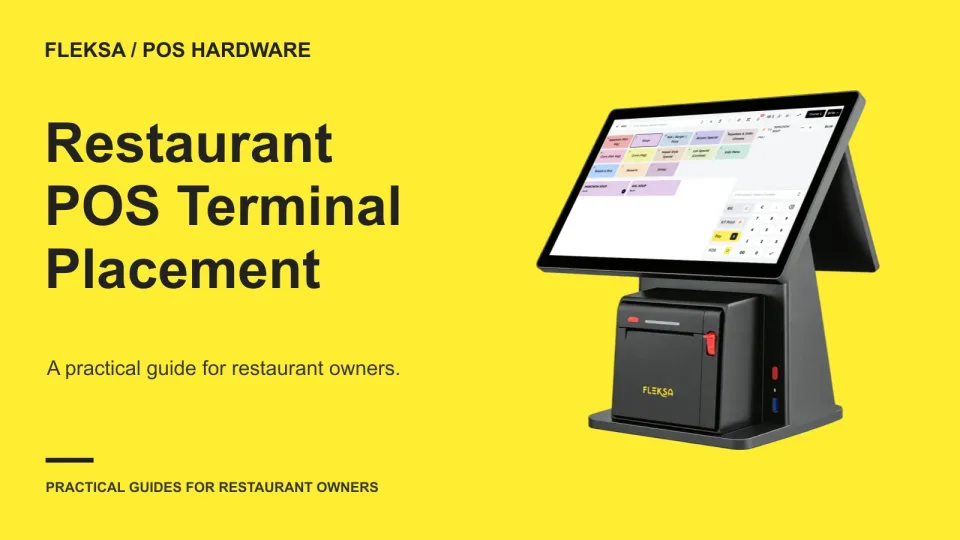
The right terminal count depends on where staff need to enter orders and take payments at the same time. Map their routes, measure peak demand, and test a proposed layout before committing to hardware.
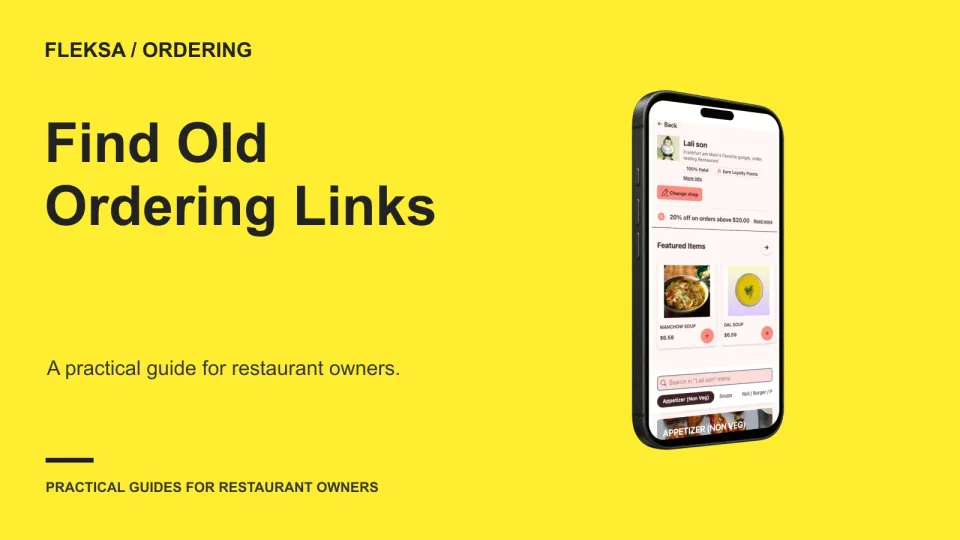
An old order button can send guests to the wrong menu after a vendor switch. Build an inventory of public entry points, assign an owner to each one, and check the destinations before and after cutover.
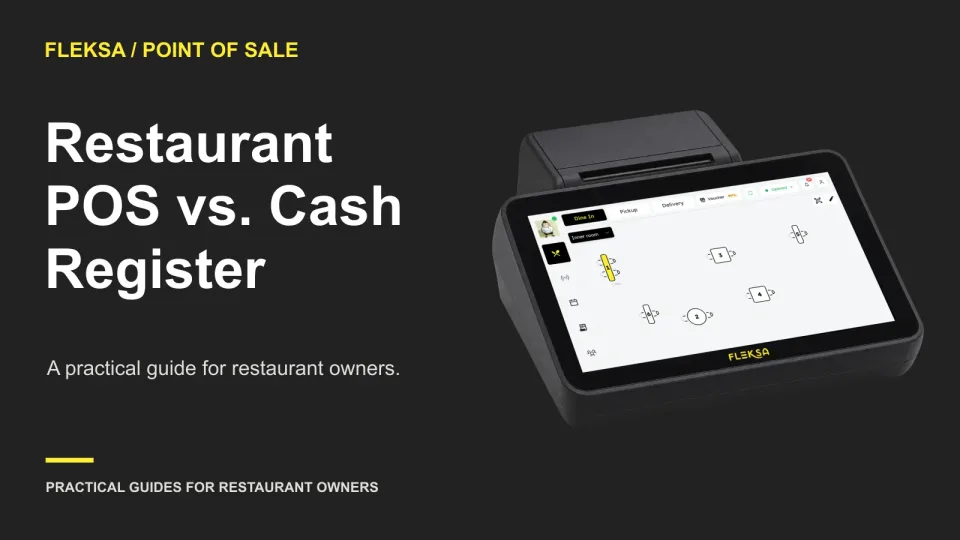
A cash register can be enough for a simple counter, but connected payments and detailed reports may justify a POS. Compare daily workflows, first-year costs and vendor answers before deciding.
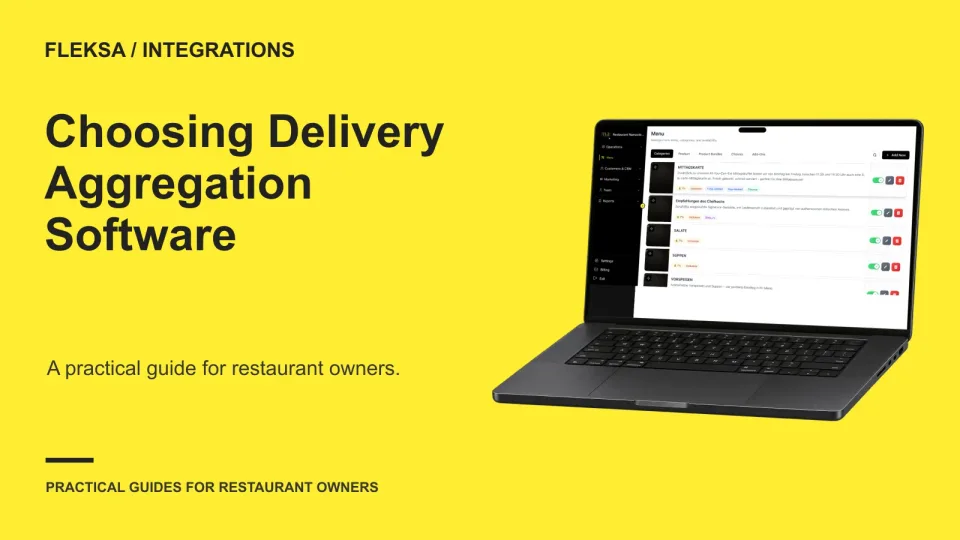
The right aggregator must cover more than a list of marketplace logos. Build a channel-by-channel matrix, check which actions reach your POS, and agree on what happens when an order or connection needs attention.
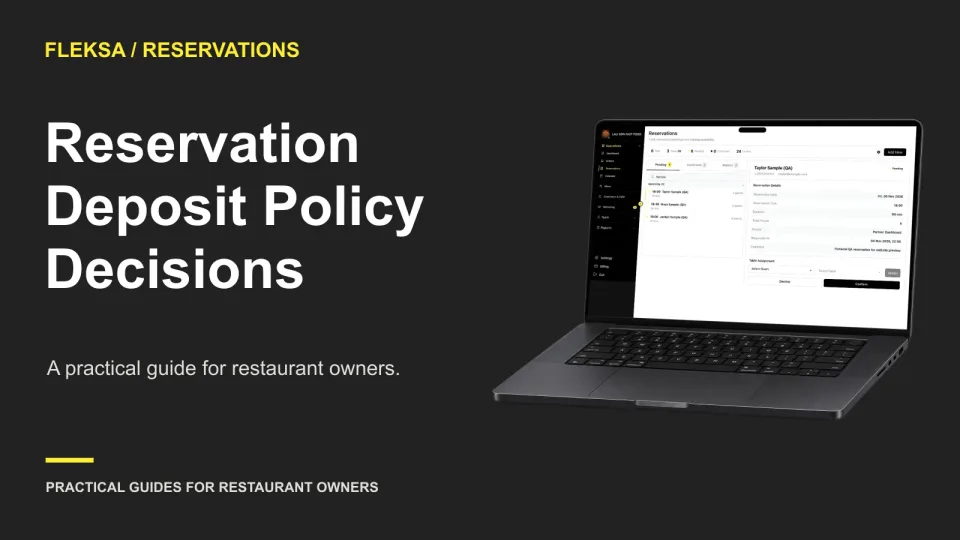
A reservation deposit can protect a busy service, but collection, refunds, and lost bookings have costs too. Use this practical worksheet to compare a deposit with a card guarantee or no policy before changing your booking process.
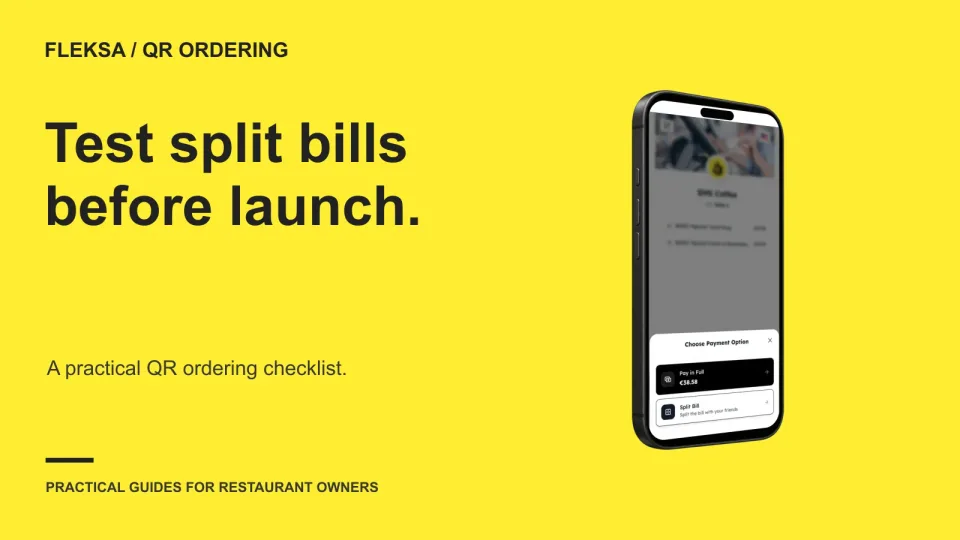
A QR payment can look successful to one guest while a table still owes money. Use these scenarios to check split methods, remaining balances and settlement before making QR payment part of service.
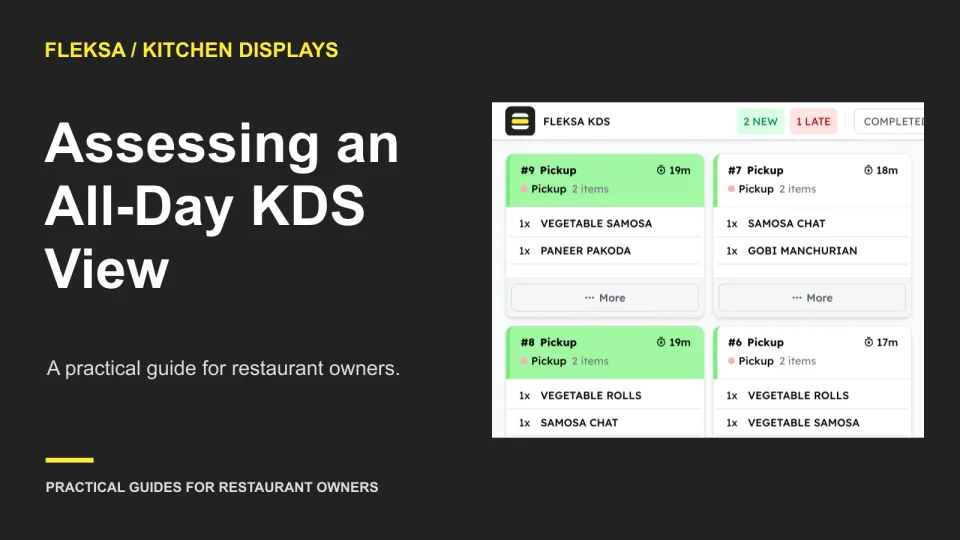
An all-day view adds quantities across orders so cooks can see what to prepare. But a useful count must sit alongside ticket times and modifiers. Use this worksheet to evaluate both views before choosing a kitchen display.
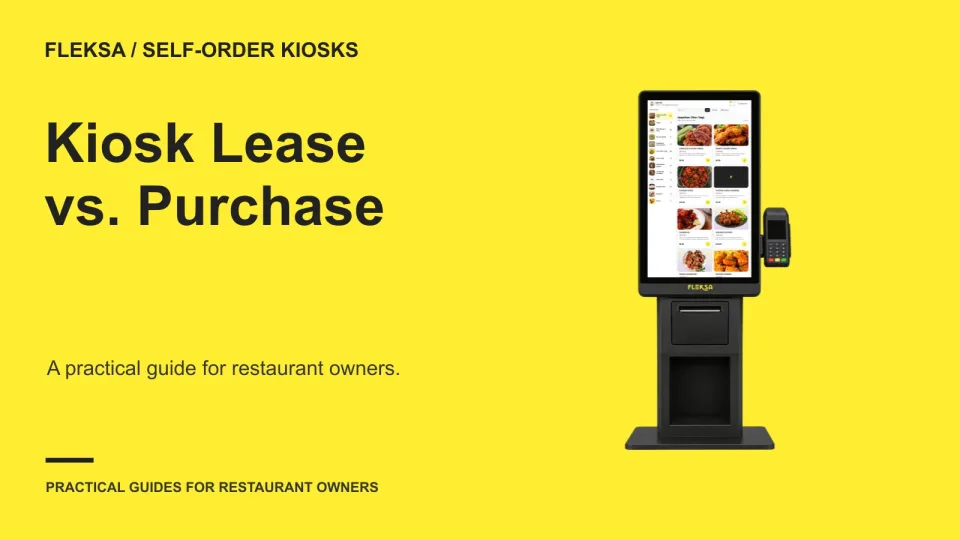
A low monthly kiosk payment does not necessarily make a lease cheaper. Use an equal-term cost schedule to compare upfront charges, maintenance, ownership, and early exit terms before choosing an offer.
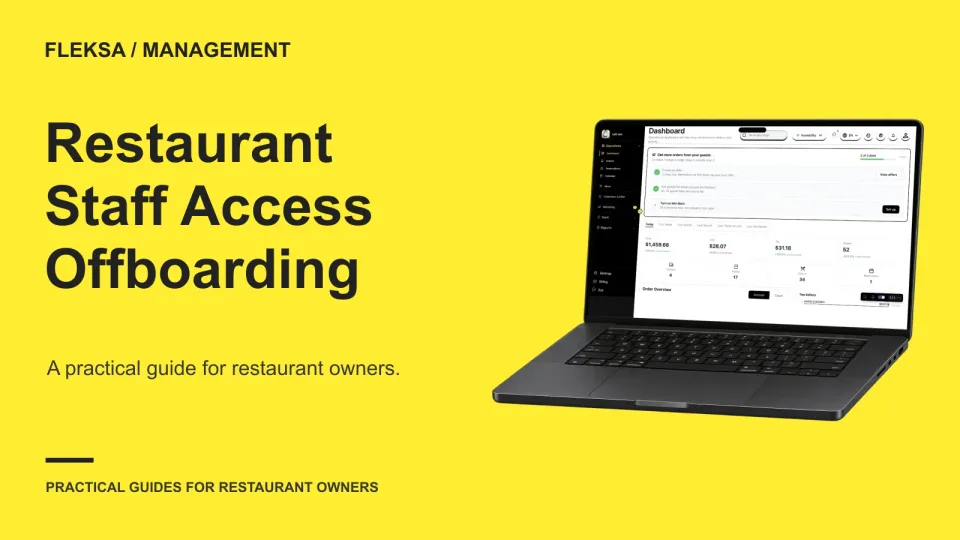
A departing employee may have access through more than a POS login. Use this practical checklist to find accounts, assign revocation owners, address shared credentials, and record how each access point was checked.
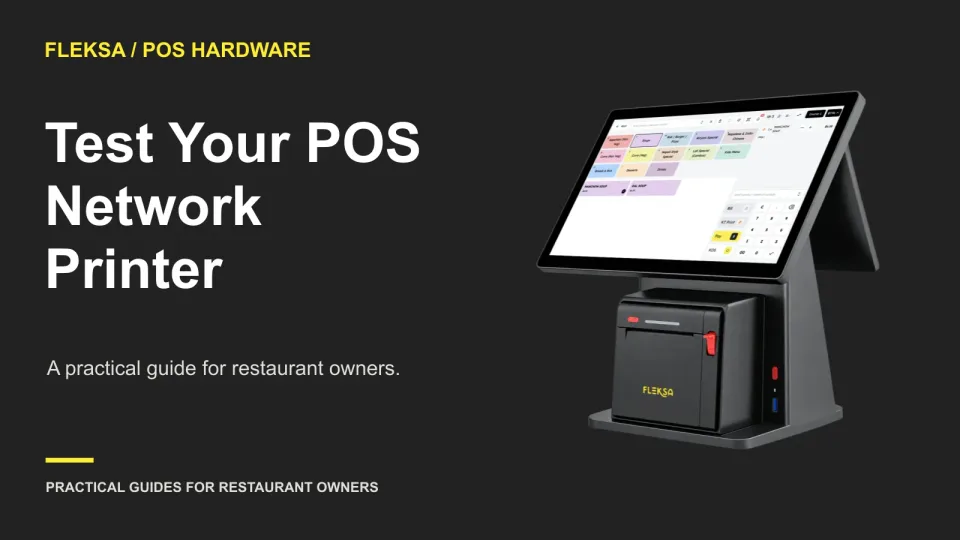
A shared receipt printer needs more than a network connection. Learn how to map the devices, check discovery at the intended station, test an interruption safely, and decide who owns each support step.
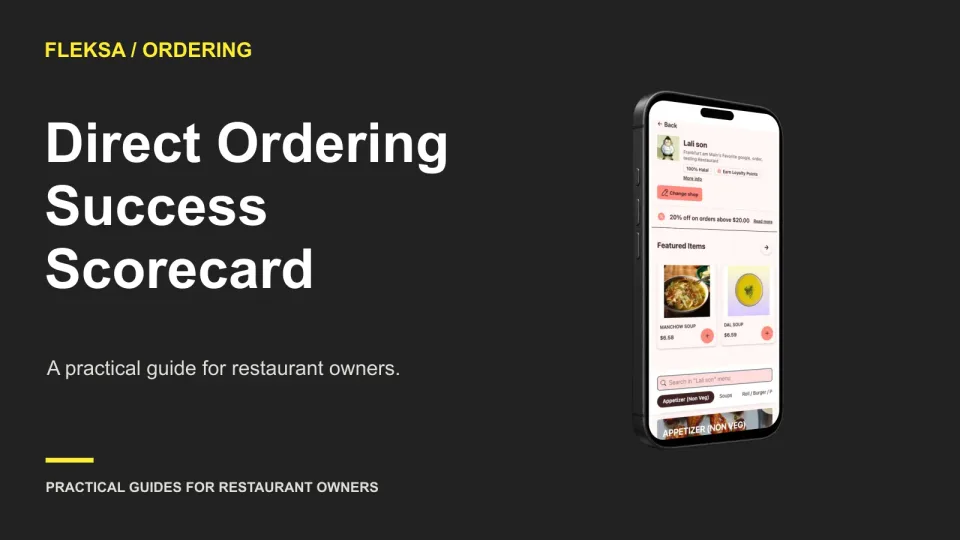
A direct ordering channel needs more than a healthy order count. Use this practical scorecard to measure completed orders, contribution, customer acquisition, repeat visits and service problems during the first months.
Page 3 of 62
Older articles for diners