Compare software, understand costs, and plan your next step.
A second round should not mean a second check or a missing first order. Use this practical demo scenario to compare how POS systems handle item history, staff handoffs, kitchen routing, and the final total.
Choosing a direct ordering provider takes more than comparing commissions. Use this guide to set requirements, ask about customer data and delivery, compare complete quotes, and run a practical demo before switching.
A shared dish should be easy to order without turning one sale into two. Use this practical test card to compare how a restaurant POS handles quantity, seat assignments, kitchen instructions, and corrections.
Should a sauce appear with one entrée or should a drink be offered to the whole basket? Use this guide to match add-on structure to your menu, kitchen capacity, and ordering workflow.
An item note can be easy to enter and still be hard for the kitchen to use. Run a controlled order scenario to check placement, edits, station visibility, and the steps staff should take when a request is unclear.
A tax setting change can affect more than the final checkout total. Use representative baskets to check item prices, discounts, fees, pickup and delivery orders, and receipts before customers encounter the new setting.
A terminal delay can leave staff unsure whether a guest has paid. Use a receipt timing matrix to separate order summaries from payment confirmations, handle uncertain transactions, and compare vendor answers before choosing a POS.
An accepted order can stall before the kitchen prepares it or a driver collects it. Use a shift ownership matrix to decide who notices, acts, escalates, and carries each unresolved issue into the next shift.
A card timeout can leave a restaurant unsure whether a guest was charged. Before signing a POS contract, ask who can check the attempt, authorize a reversal, document the result, and help during service.
A fixed delivery schedule is easy to maintain, but it may miss sudden capacity changes. Learn when dynamic updates are worth the effort, how to test guest-facing changes, and what to ask providers before choosing.
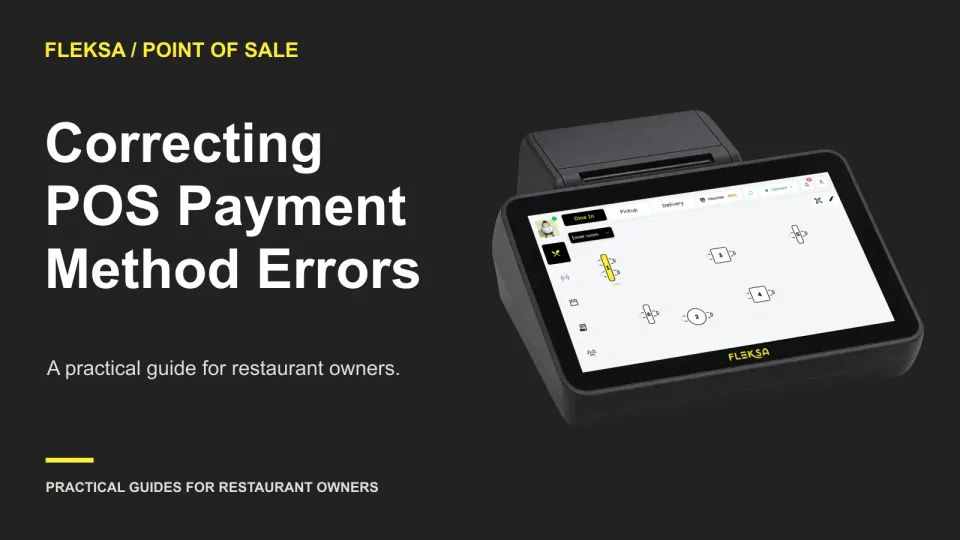
A wrong payment method can throw off your cash close even when the sale total is correct. Use this practical example and decision worksheet to compare correction permissions, tender reports, payment evidence and audit trails.
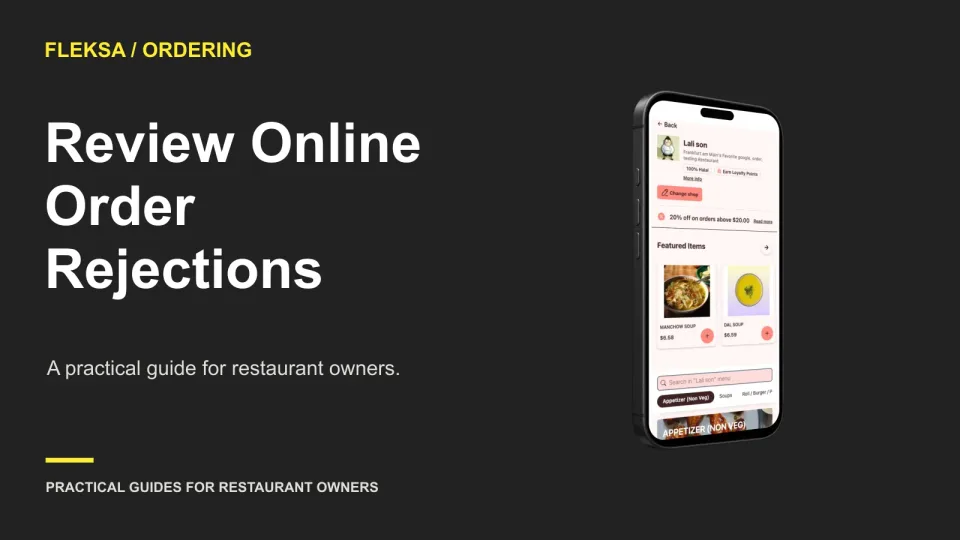
Rejected orders can reveal a fixable problem, but a reason code alone rarely tells the whole story. Use this worksheet to check the records, compare service periods, and choose a small change worth testing.
Page 51 of 62
Older articles for diners