Compare software, understand costs, and plan your next step.
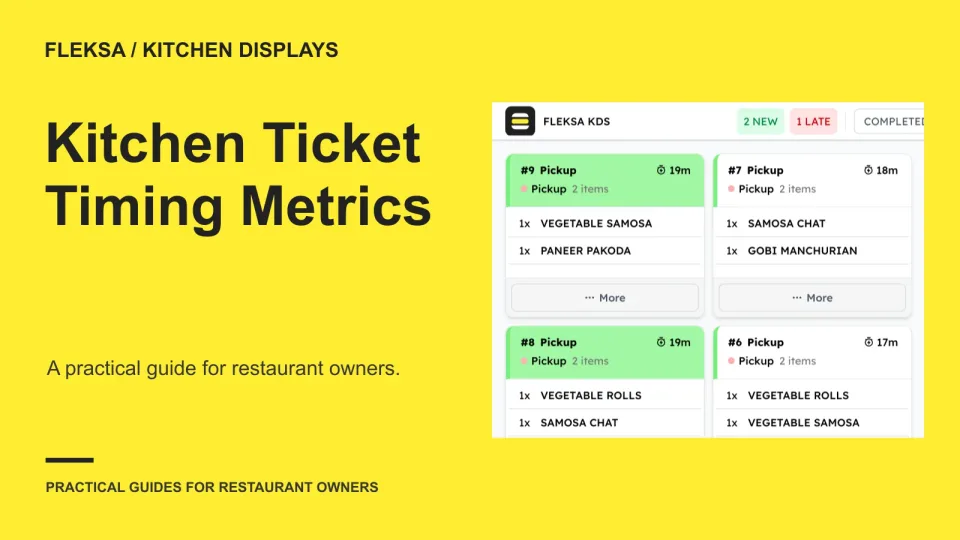
A ticket timer can show that an order was slow without showing why. Use sent, station start, complete and handoff timestamps to separate kitchen work from waiting, spot gaps in the data and choose a useful shift review.
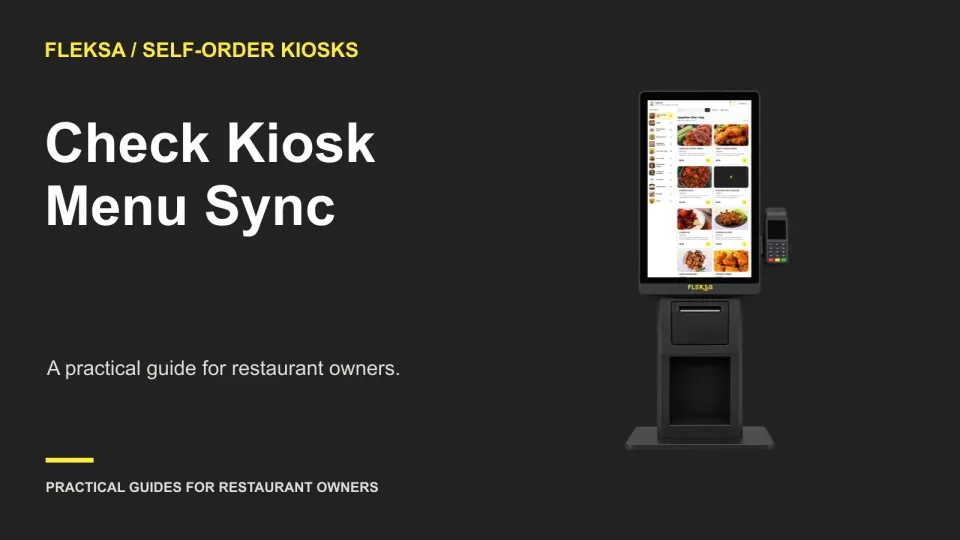
A published menu edit may not appear on every kiosk at the same time. Use a harmless test change and a device-by-device log to measure what staff can see, identify stale screens, and agree on a practical fallback.
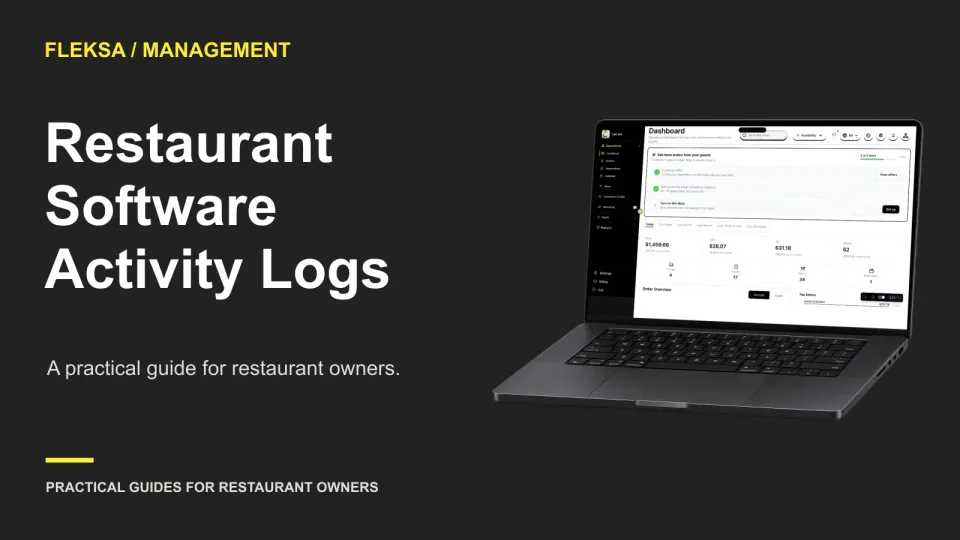
After an incident, an owner needs to know who changed what, when, and where. Use this practical worksheet to compare activity logs across restaurant systems and test whether the evidence is useful.
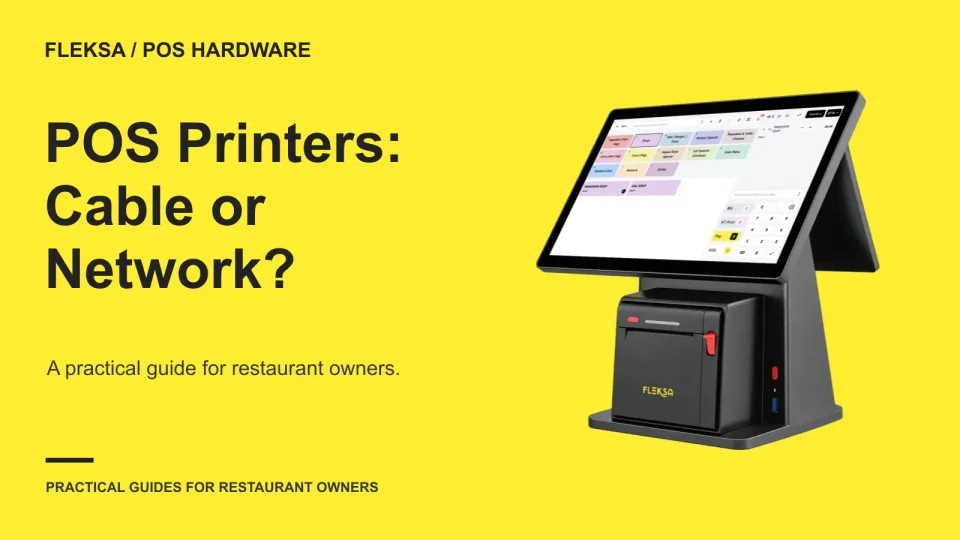
A printer beside one register may need a different connection than a kitchen printer shared by several terminals. Map the route, confirm device support, and assign someone to handle failures before choosing a setup.
A low percentage rate does not always mean a lower ordering bill. Learn how to allocate monthly charges, compare fees at different basket sizes, and separate what guests pay from what the restaurant keeps.
A pizza POS should handle your menu, payment methods, and order handoffs across every service channel you use. Use this practical worksheet to compare systems on the same orders, uncover workarounds, and evaluate the full quoted cost.
A bank deposit alone cannot tell you whether your books separate sales, tax, tips and processing fees. Use this mapping worksheet and sample day to check what moves from your POS into accounting.
A canceled reservation creates one opening, not permission for several hosts to offer the same table. Use a clear owner, a fair offer rule, and a final availability check to fill it without double bookings.
A QR order needs a clear handoff to the dining room. Compare three ways to notify servers, assign an owner, and test what happens when an order goes unacknowledged before choosing a workflow.
A larger kitchen screen font can help cooks read modifiers, but it can also leave fewer orders visible. Use this practical test to compare layouts from real working positions before choosing a setting.
A kiosk mount needs to fit more than a screen. Compare counter, floor and wall options by measuring the footprint, tracing cables, checking service access and scoring the tradeoffs before you order hardware.
When managers use different definitions of sales, a comparison can point to the wrong problem. Build a shared metric dictionary that records calculations, source reports, refund timing and ownership before anyone compares locations.
Page 8 of 62
Older articles for diners