Compare software, understand costs, and plan your next step.
A POS launch needs more than a scheduled start time. Use a decision sheet to set readiness checks, a stop deadline, rollback triggers, and a way to account for orders and payments created during the change.
A marketplace payout is not the same as POS sales. Use a practical settlement bridge to separate item sales, discounts, tax, fees and refunds, then identify which reporting gaps need manual work.
A table can order through a server and a phone during the same meal. Here is how to compare order views, test changes and handoffs, and reconcile separate tickets before anyone pays.
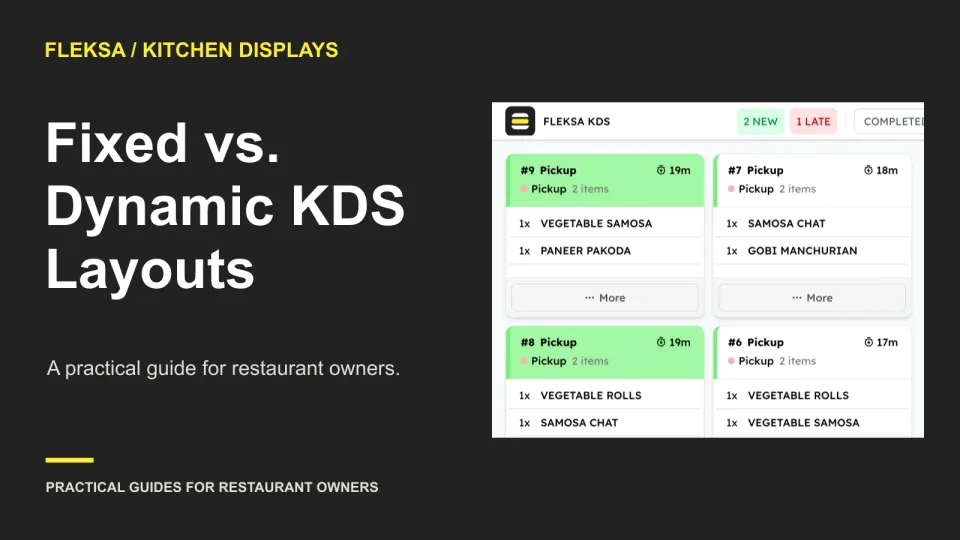
A fixed grid can make ticket positions predictable, while expanding tickets can expose more order detail. Use the same simulated rush, staff tasks, and acceptance limits to find out which layout works better in your kitchen.
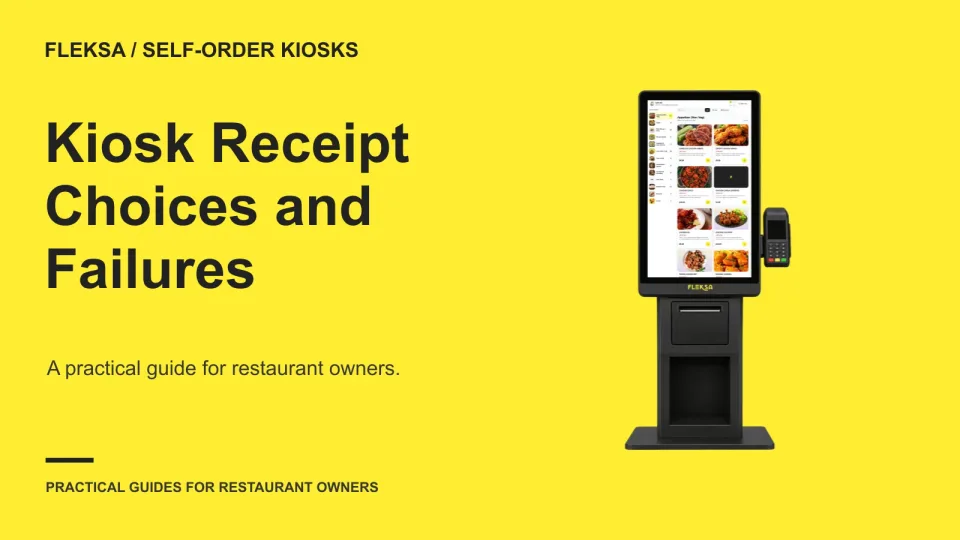
A kiosk receipt choice should work for guests and give staff a reliable way to resolve problems. Compare paper, digital, and no-receipt options, then test a completed transaction with a simulated printer failure before buying.
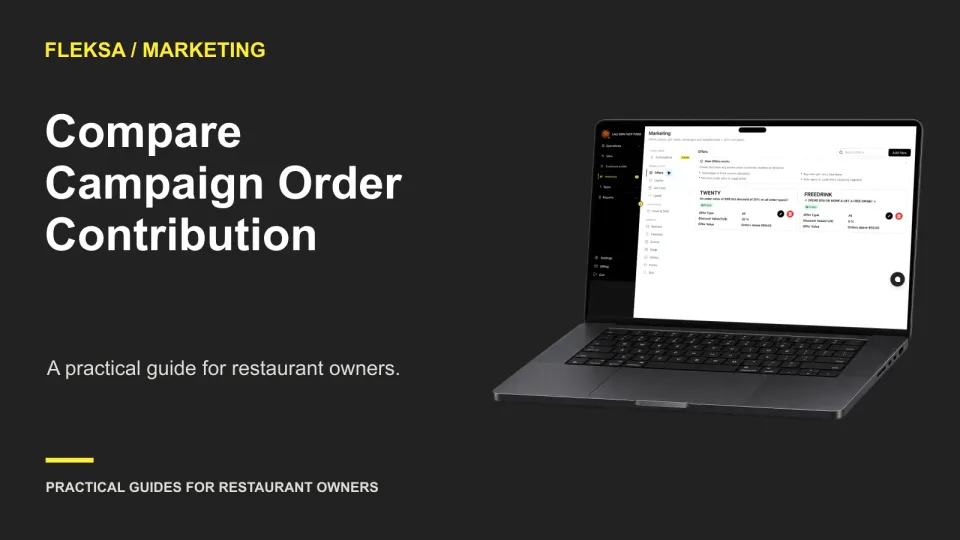
Campaign sales can look strong while the offer eats into each order. Use this practical worksheet to compare discounted and full-price orders, account for direct costs, and set clear requirements for campaign reporting.
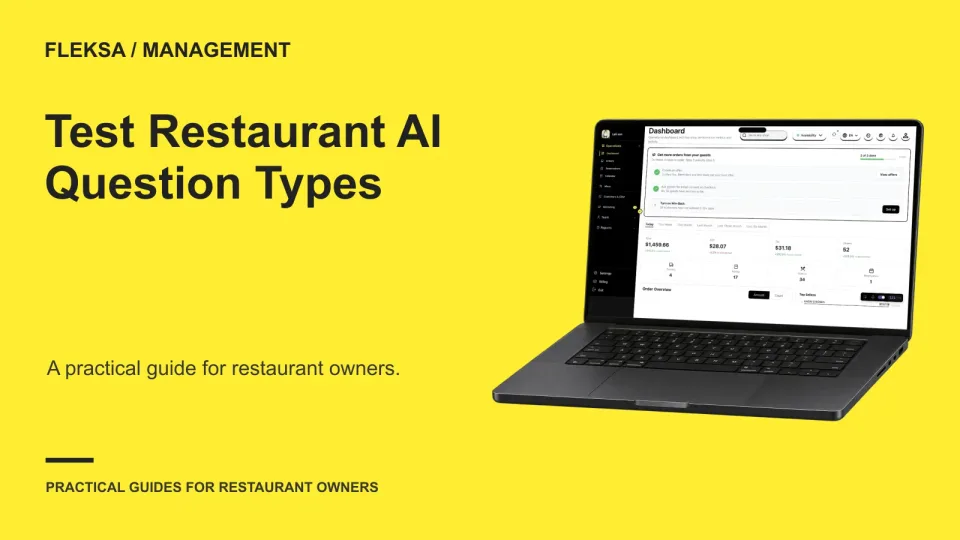
A restaurant AI pilot should start with questions the team can check, not every question a manager might ask. Use this hypothetical worksheet to compare lookups, calculations and recommendations before deciding what belongs in the pilot.
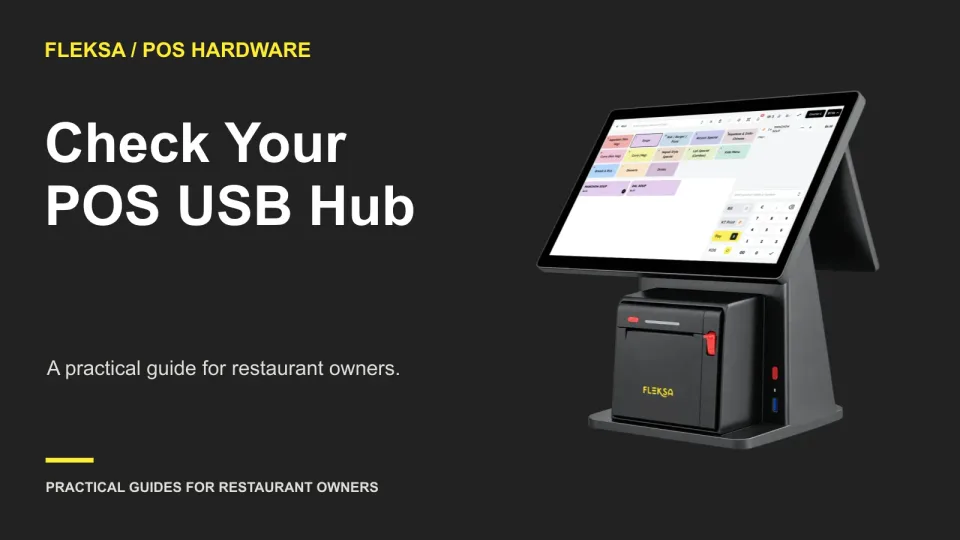
A spare USB port does not guarantee that a printer, scanner, and payment device will work together. Use a device map, power budget, and restart check to decide whether a POS hub fits your counter.
When an agency leaves, your domain is only one part of the handover. Review who can edit the site, manage hosting, see analytics, control connected services and recover accounts before removing access.
A delivery fee can protect an order's margin, but it can also change whether a guest completes checkout. Compare the cost of delivery, the contribution from each order, and the effect of different fee options before choosing.
A card hold can help secure an open tab, but it is not a completed payment. Use this guide to check authorization, added items, settlement, release, and the staff decisions that connect them.
A marketplace total and a POS total can differ even when the order items match. Learn how to compare each component, identify what each screen includes, and decide which differences need a vendor’s explanation.
Page 30 of 94
Older articles for diners