Compare software, understand costs, and plan your next step.
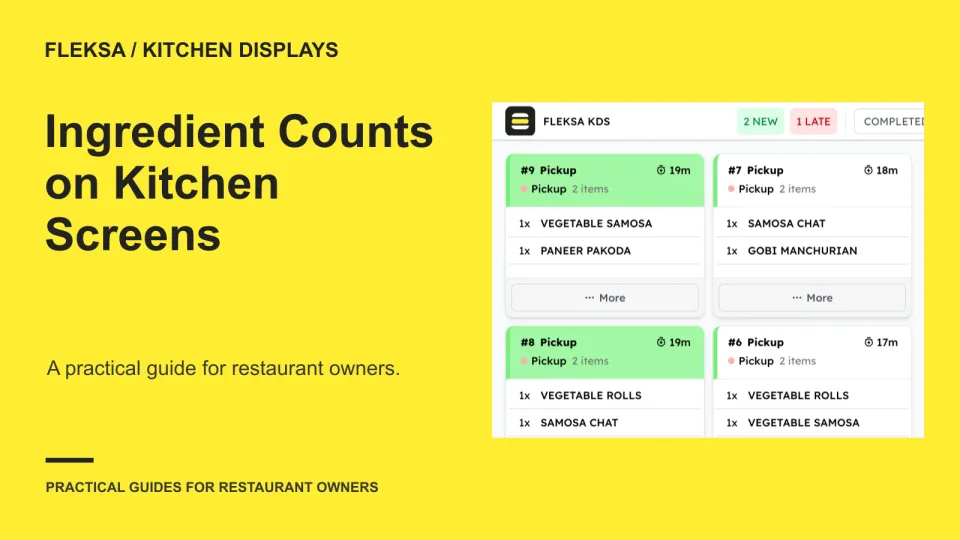
Ingredient counts can help a cook see shared prep demand across several tickets. Use this practical worksheet to decide whether the extra count is worth maintaining and what to check before relying on it during service.
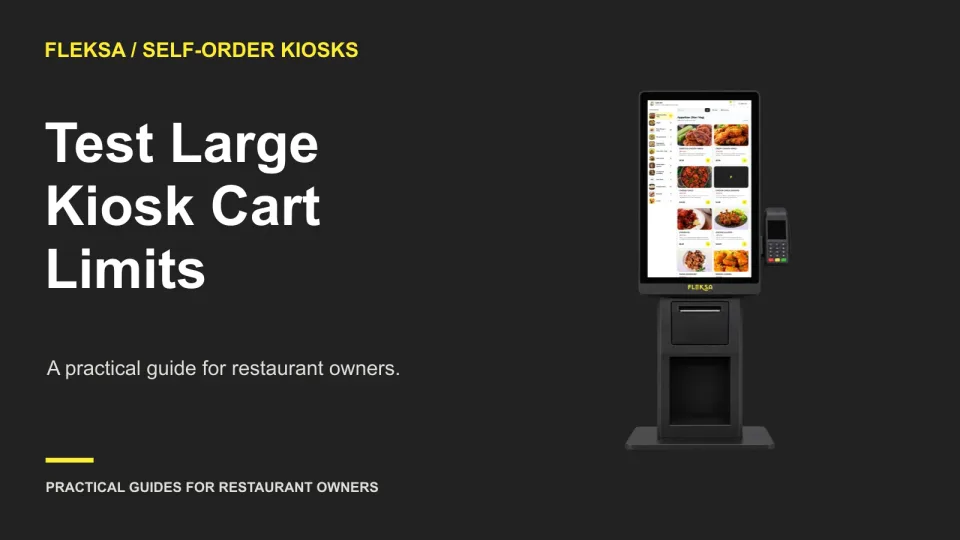
A kiosk may handle an ordinary lunch order but struggle with a group’s repeated items and customizations. Use this hypothetical cart and acceptance test to check quantities, totals, kitchen details, and a practical fallback before buying.
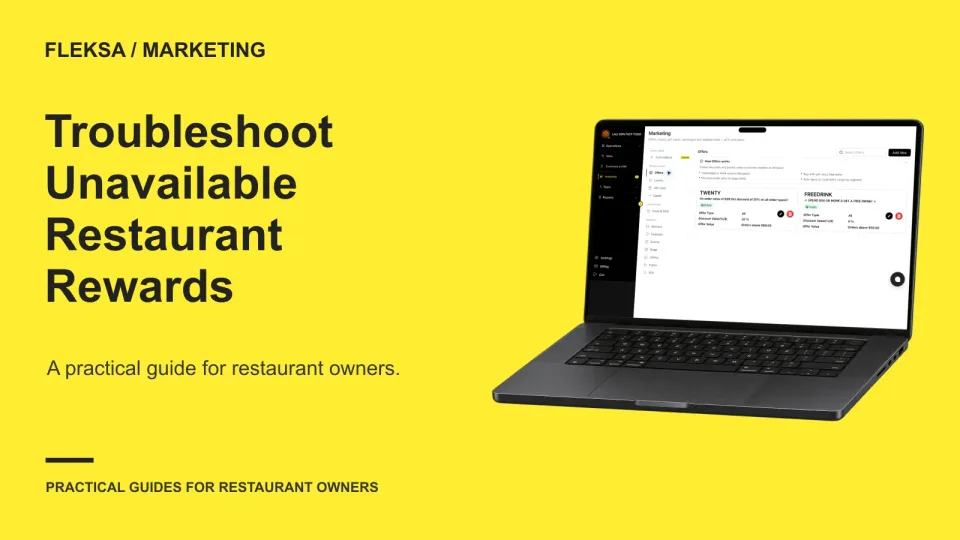
When a reward will not apply, staff need to know whether the guest is ineligible, looking at the wrong account, or facing a system issue. Use this service-floor decision tree to resolve the problem without redeeming twice.
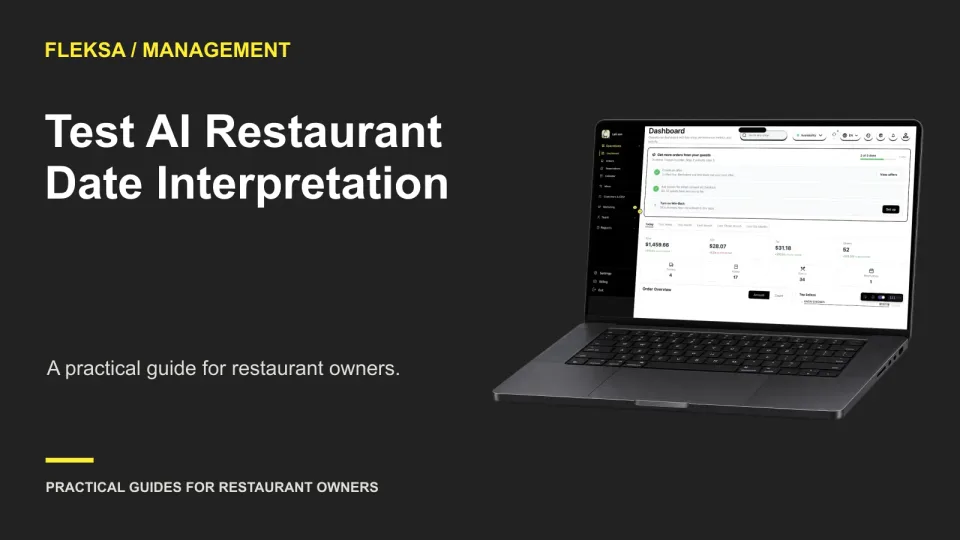
A late-night shift can cross midnight without crossing a restaurant’s business-day cutoff. Use this fictional sales worksheet to check whether an AI assistant interprets dates, time zones, and ambiguous manager questions correctly.
AI can flag suspicious links, inconsistent hours and outdated menu copy, but it cannot decide what your restaurant actually offers. Use this practical QA workflow to assign checks, gather evidence and verify fixes.
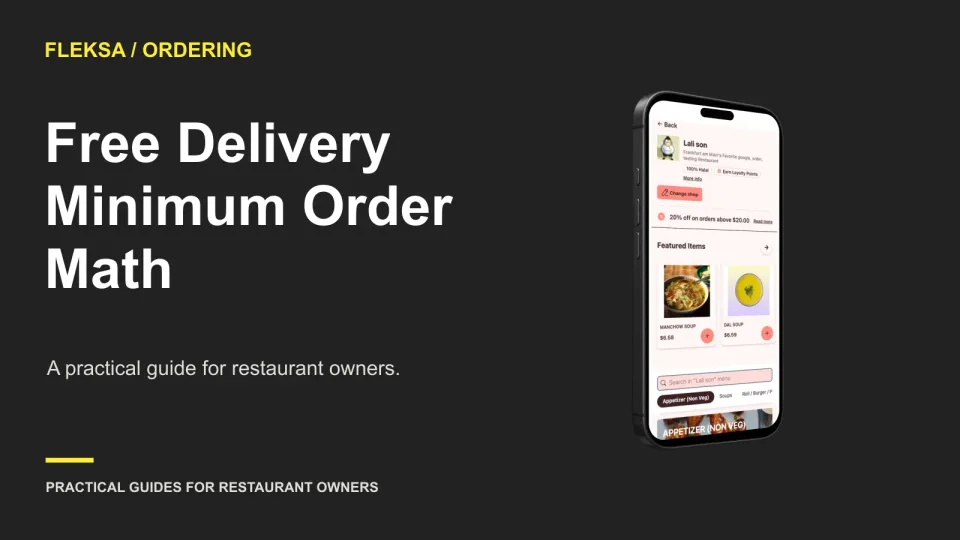
A free delivery threshold pays for itself only when the extra contribution it creates covers delivery subsidies and other added costs. Use this worked example and checklist to decide what basket size to test.
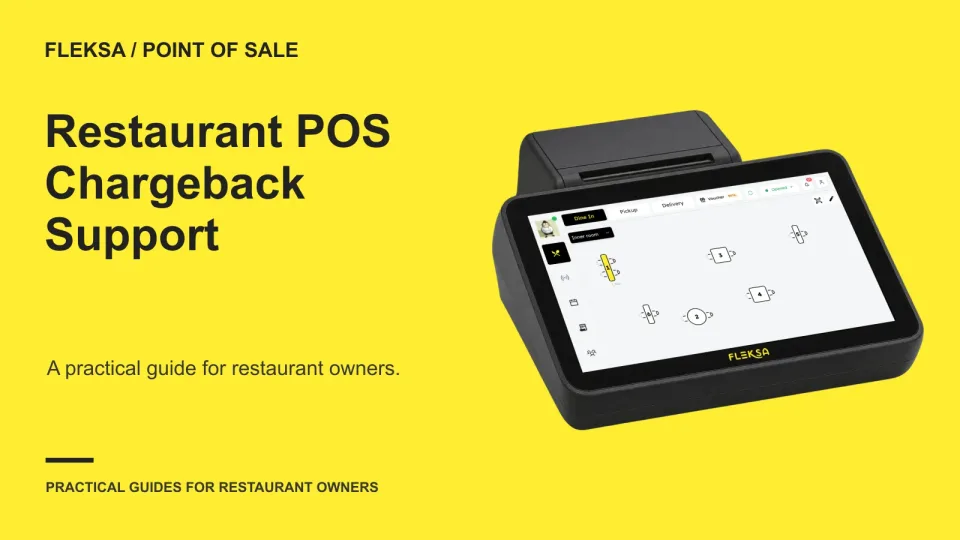
A card dispute can involve your POS, payment processor and several staff roles. Use this practical checklist to find the evidence, assign responsibility and confirm deadlines before a real dispute arrives.
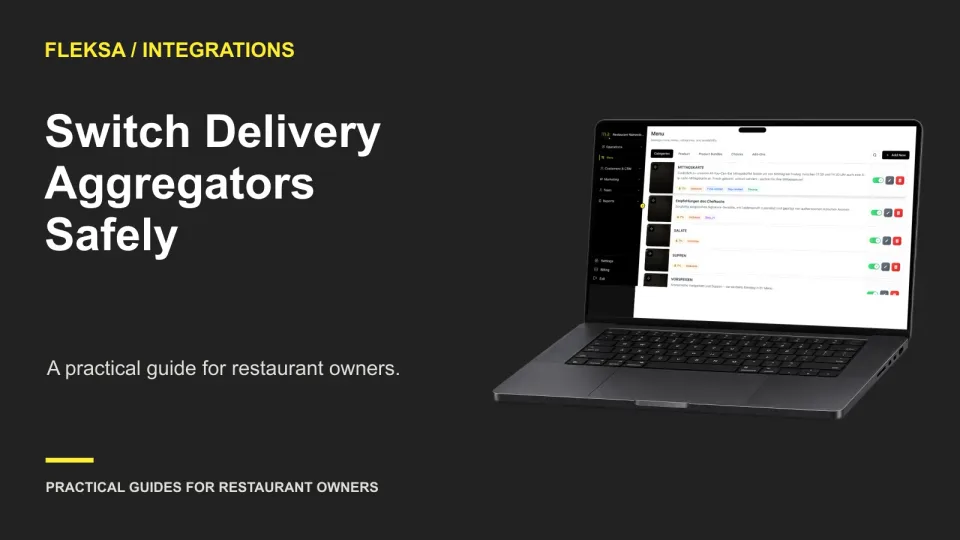
Changing delivery aggregators does not have to mean changing your POS. Map who owns each connection, test the new order route safely, and reconcile orders channel by channel before retiring the old setup.
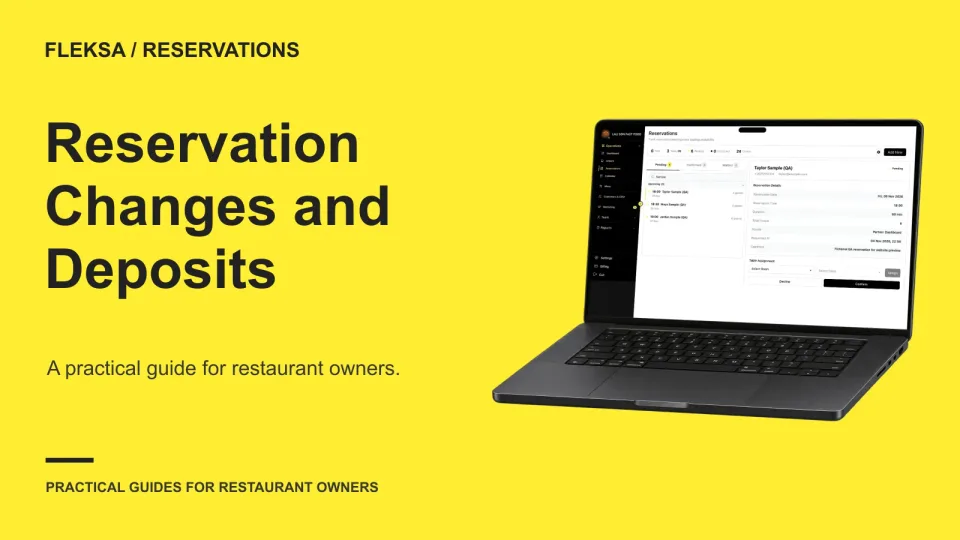
A reservation change can leave a deposit untouched, trigger a refund, or create an amount due. Use this worksheet to compare those outcomes and see whether a vendor can make the payment status clear to staff.
A closing time and a last-order time solve different problems. Use this practical worksheet to choose a QR cutoff, handle carts that cross it, and give staff a clear process for helping guests finish.
A usable kiosk needs more than a quick wipe. Set clear shift responsibilities, follow each device maker’s cleaning instructions, and give staff a simple way to spot faults and route guests elsewhere.
Giving an AI assistant fewer reports can reduce exposure to sensitive information, but it can also limit the decisions its answers support. Use this fictional shift comparison to check what an assistant knows, what it should admit, and when broader access is worth considering.
Page 32 of 94
Older articles for diners