Compare software, understand costs, and plan your next step.
Before a new location page goes public, confirm what guests can do, when they can visit, and how they can contact the restaurant. Use this checklist to assign owners, check links, and update details after opening.
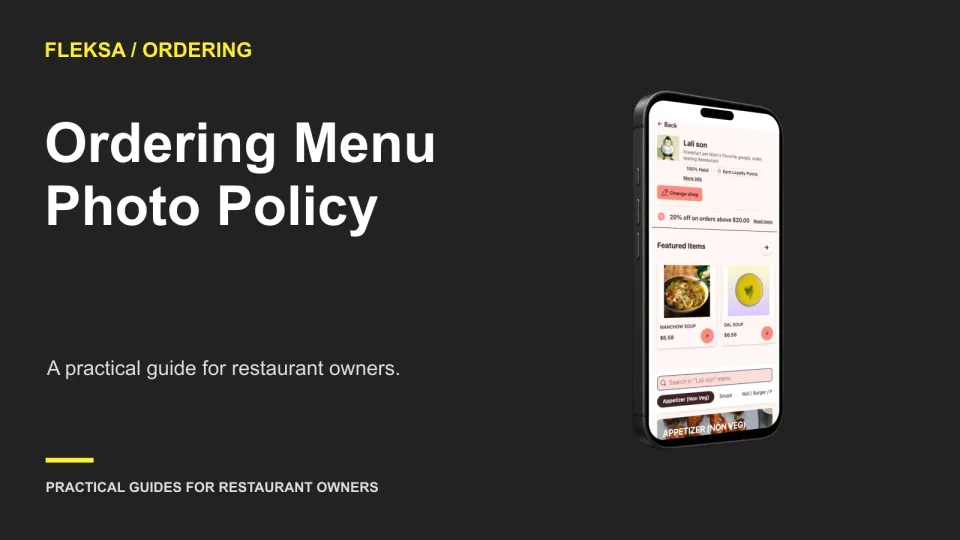
Not every ordering item needs a photo. Use a simple approval policy to decide where images help guests choose, check that portions and options match, and keep the menu accurate after changes.
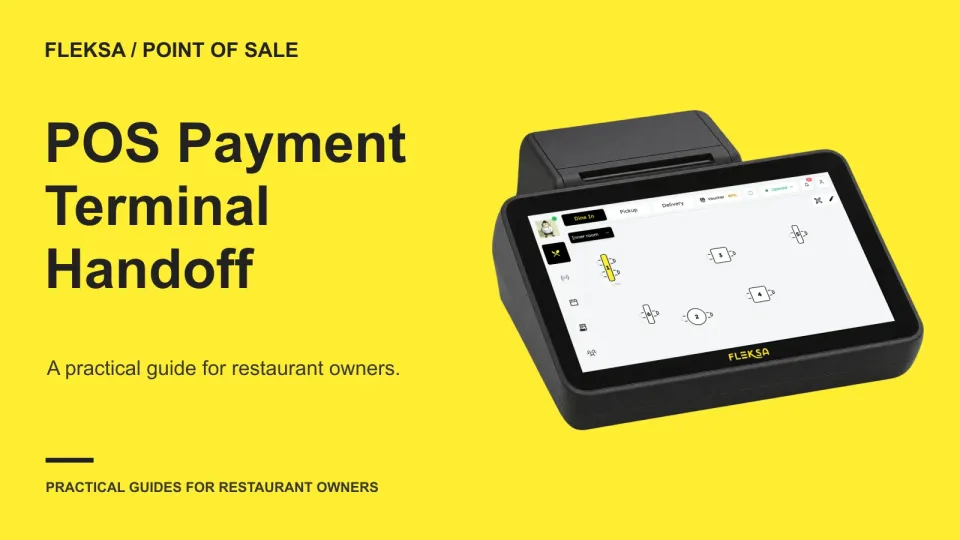
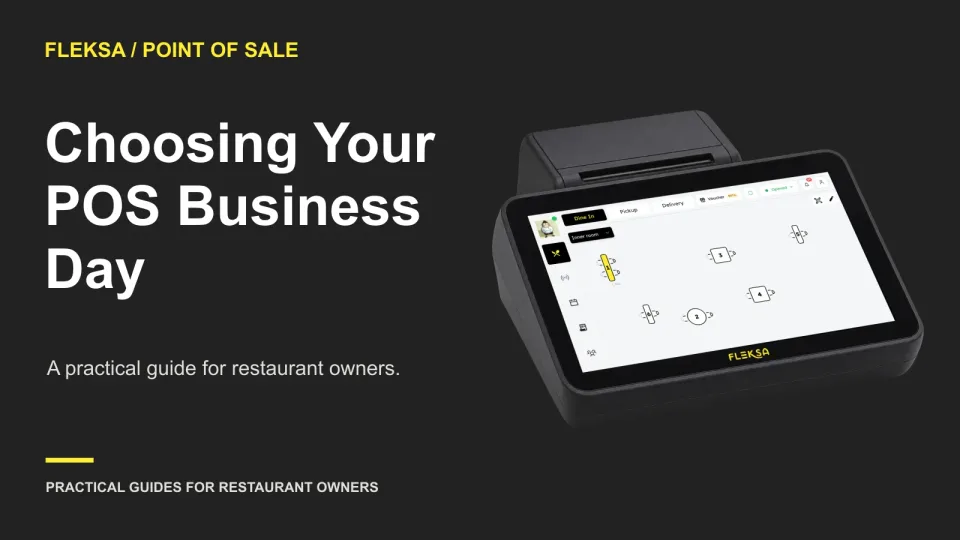
A payment terminal can look easy to use while leaving staff unsure which check was paid. Use this practical handoff test to compare the amount, check reference, and final payment state before choosing a POS.
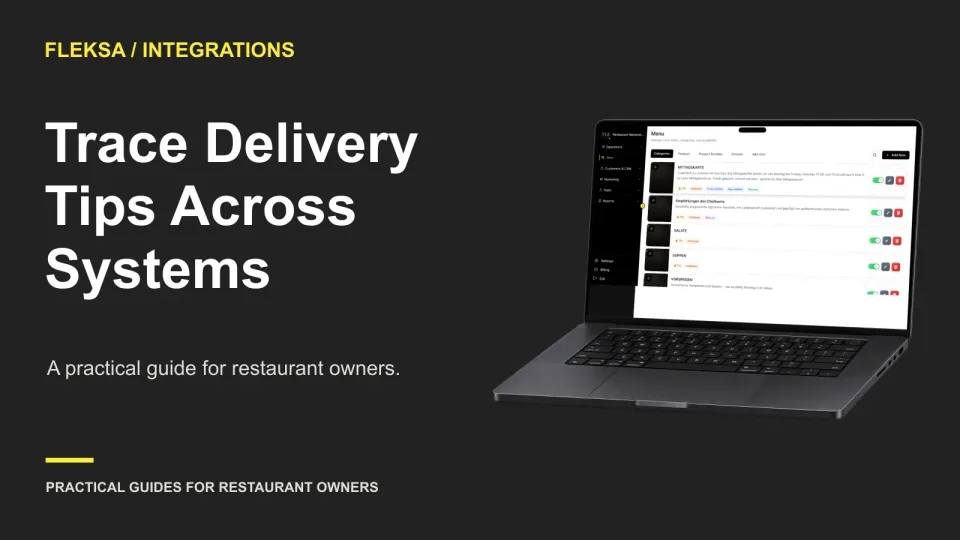
A delivery tip can appear in one report and be missing from another. Use a practical recipient and reporting-path matrix to compare channels, clarify who receives each tip, and spot unresolved questions before connecting systems.
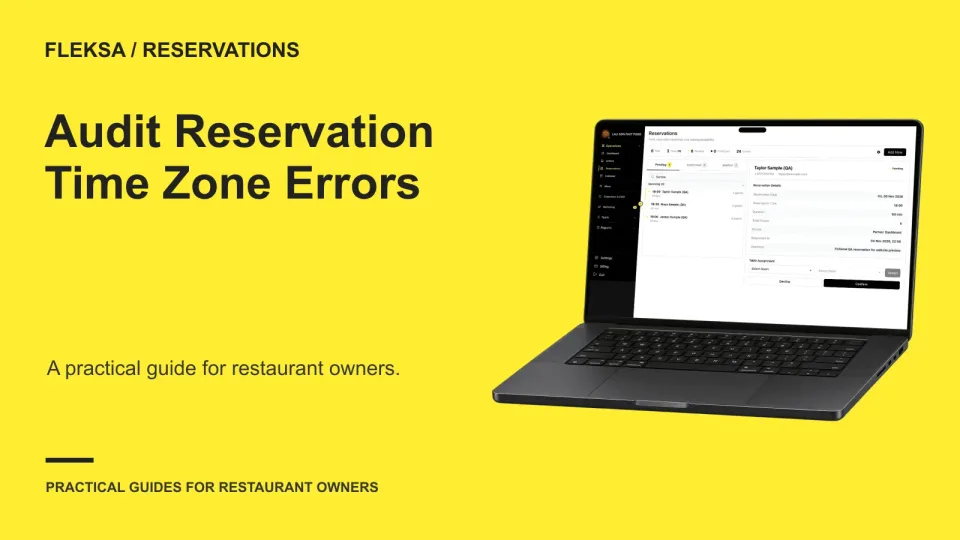
A booking can look right on one screen and wrong on another. Use this audit to check location time zones, daylight saving transitions and guest confirmations before a time-zone change creates confusion at the host stand.
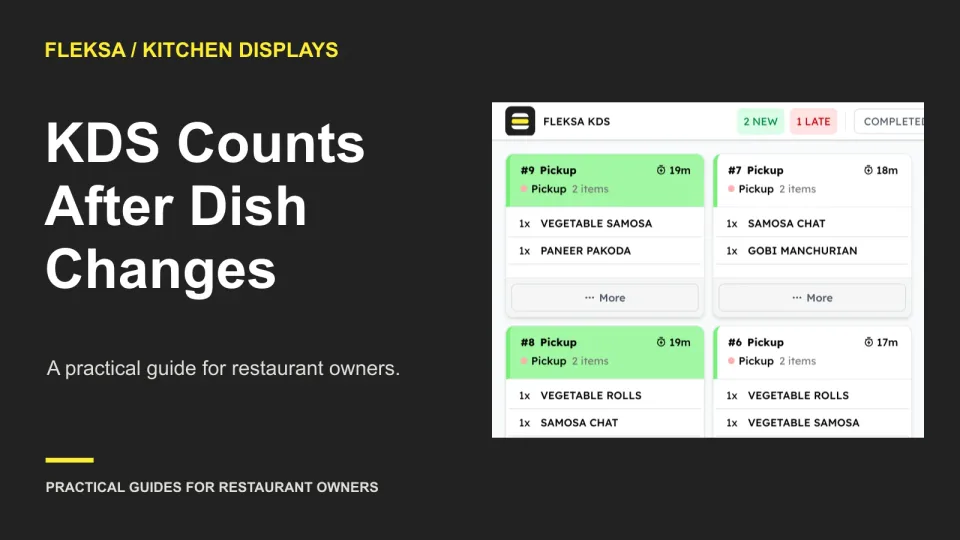
A canceled or changed dish can leave a kitchen station with less demand but food already prepared. Use this worked example to check count changes, staff alerts, and whether a vendor can show the history.
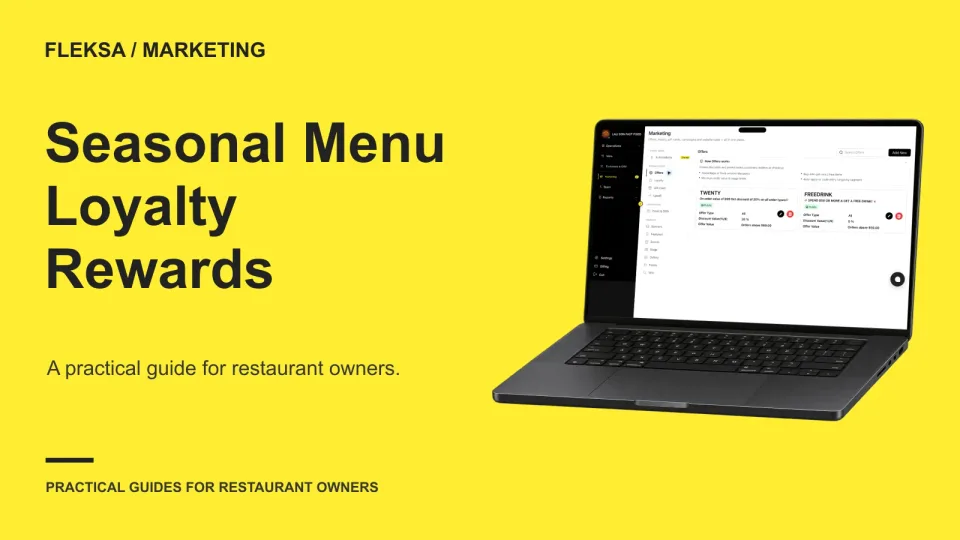
A seasonal menu can change without making your loyalty reward confusing. Compare three reward types, work through a menu change, and use a practical vendor test before choosing software or publishing guest terms.
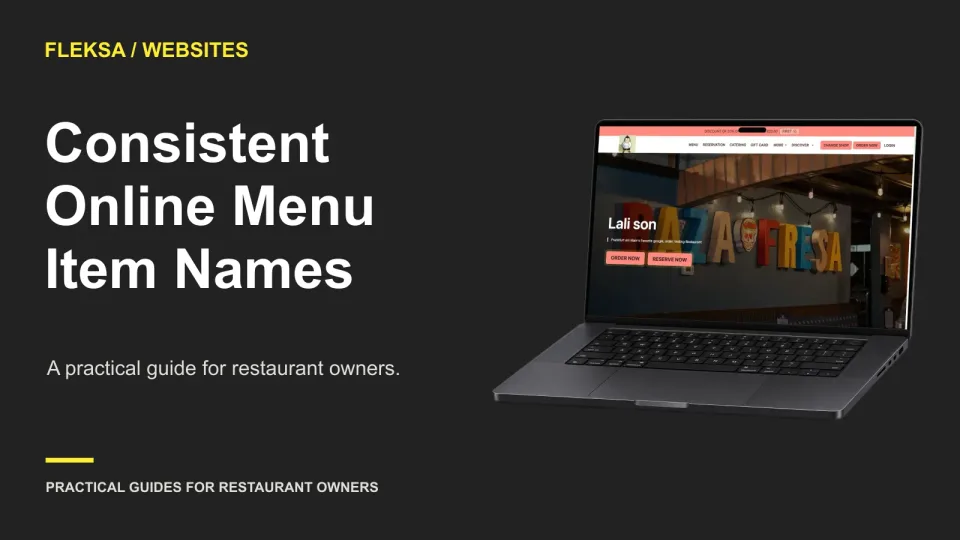
A dish can have one name on your website and another at checkout, leaving guests unsure what they ordered. Use an approved name, a stable identifier, and a destination map to keep each display aligned.
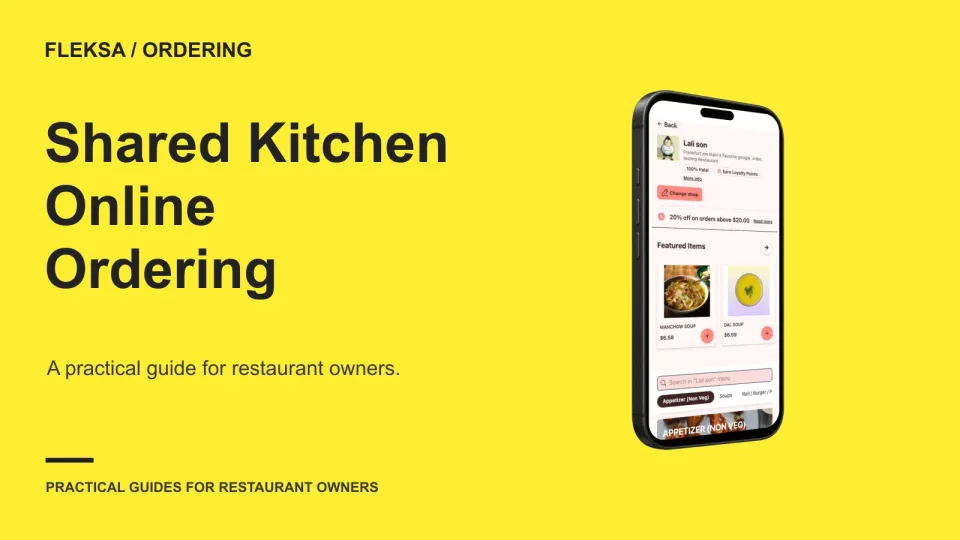
When several restaurant brands cook at one address, guests and staff need more than separate menus. Map each order from brand selection to pickup, then check the details that keep the right meal moving to the right person.
A late-night check can cross midnight before the guest pays. Choose a POS reporting boundary that matches your service, then verify how checks, payments and exceptions appear before your manager signs off.
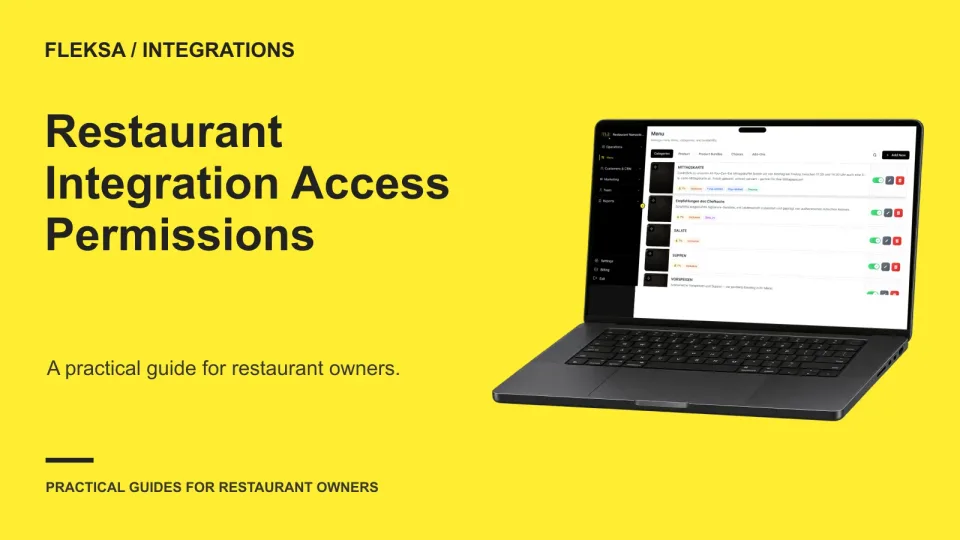
Before connecting a delivery channel to your POS, map who can grant access, what the connection can do, and how to turn it off. Use this practical inventory and a safe simulation to resolve gaps before service.
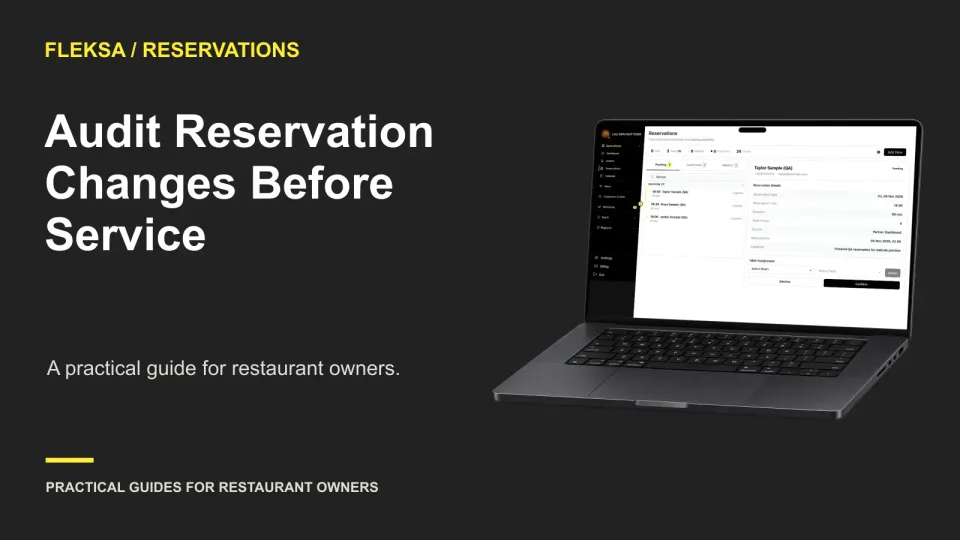
A changed reservation can disrupt a service plan even when the current booking looks correct. Use a simple change log to trace the time, account and guest communication, then assign a clear owner for the fix.
Page 50 of 94
Older articles for diners