Compare software, understand costs, and plan your next step.
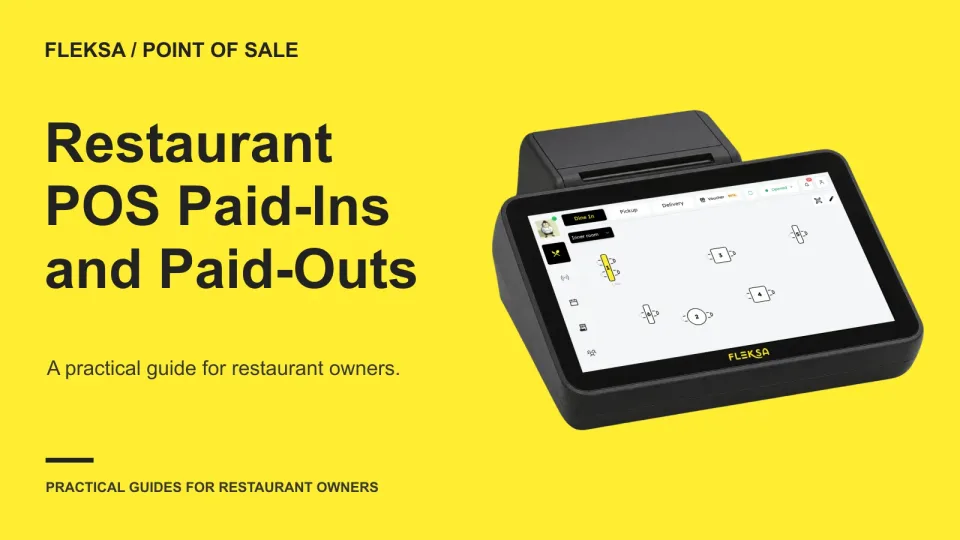
A paid-in adds cash to a drawer; a paid-out removes it. Neither is automatically a sale. Use these examples and a closing checklist to record the reason, retain support, and reconcile the drawer without inflating revenue.
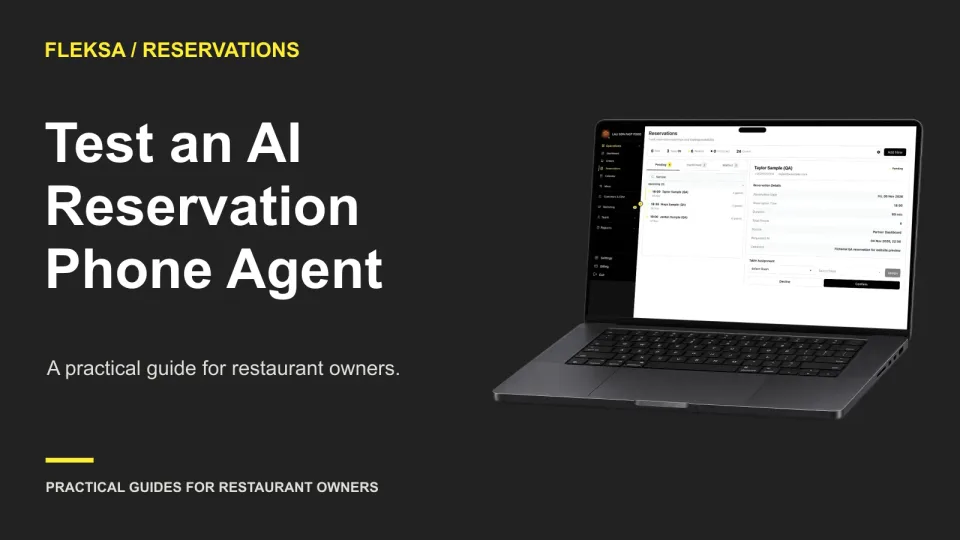
An unclear phone request can become a wrong reservation or an empty promise. Use this practical test and decision worksheet to check how an AI agent clarifies details, verifies availability, and hands a changed request to staff.
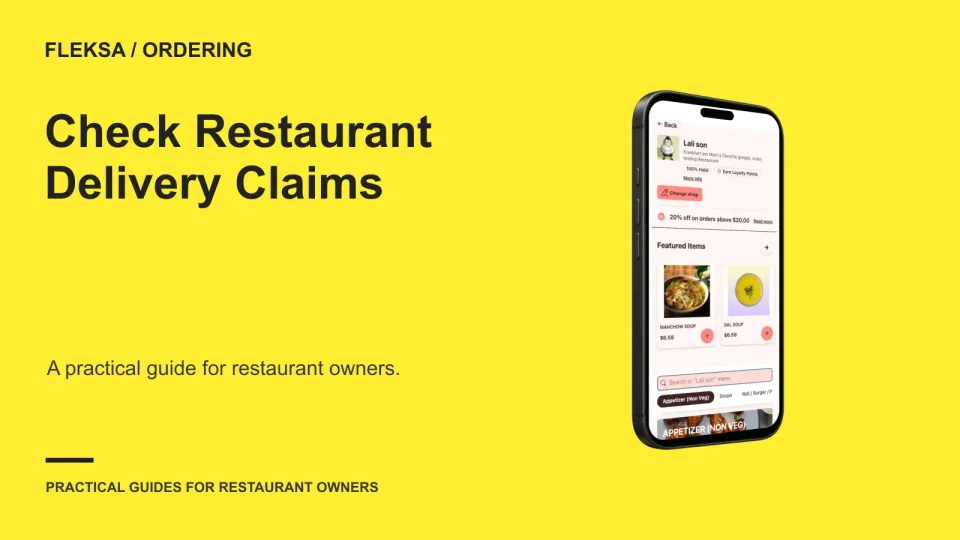
A delivery promise can bring in orders—or disappoint guests when service falls short. Use a simple evidence ledger to check speed, coverage, fees and availability before publishing or updating your restaurant website.
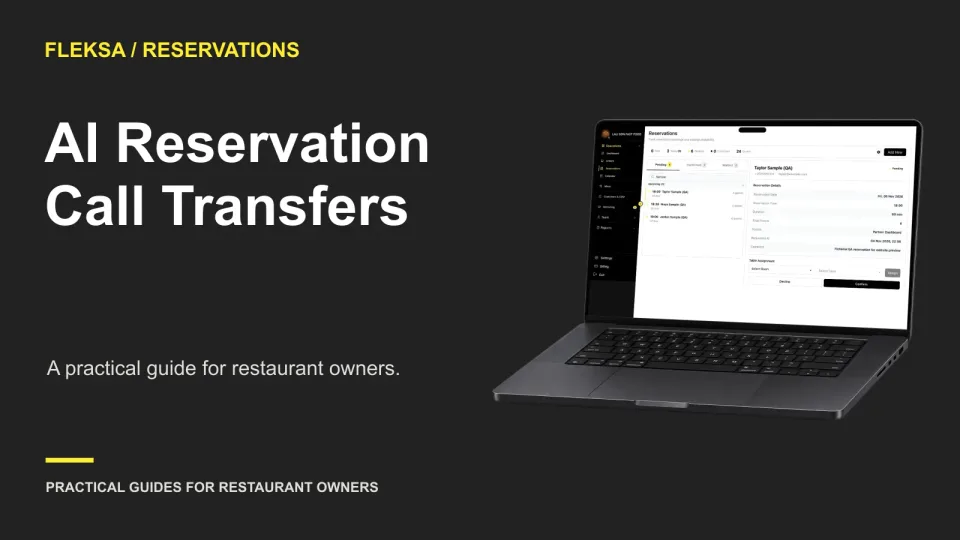
A reservation phone agent needs clear limits and a workable path to a person. Use this worksheet to set transfer triggers, define the details a host receives, and check the fallback before service begins.
A menu change is not finished when the English version goes live. Use a source menu, a qualified reviewer, and a shared release checklist to keep descriptions, prices, and availability aligned across languages.
A restaurant reopening needs more than an updated menu. Use this checklist to confirm provider access, set realistic pickup and delivery coverage, simulate representative orders, and decide when your team is ready to expand service.
Two payment attempts on a POS screen do not necessarily mean two completed charges. Use this checklist to match references, check processor results, decide when to pause, and record any authorized correction.
A final cover count tells you how many guests were recorded, but not necessarily who changed the number. Use this practical worksheet to evaluate editing permissions, recoverable history, and reporting before choosing a reservation system.
Ask your website provider for responsive WebP or AVIF images, a compatible fallback, and sizes matched to each display area. This guide helps you specify the files, check mobile quality, and keep control of your originals.
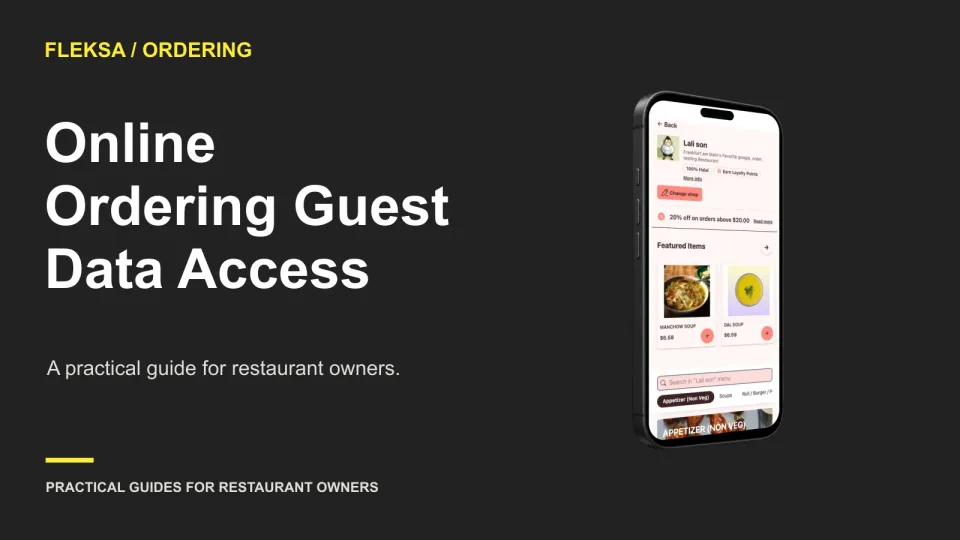
A cook may need an order note but not a guest’s phone number. Use this role-by-role guide to decide who needs contact details, how much history they can see, and when access should end.
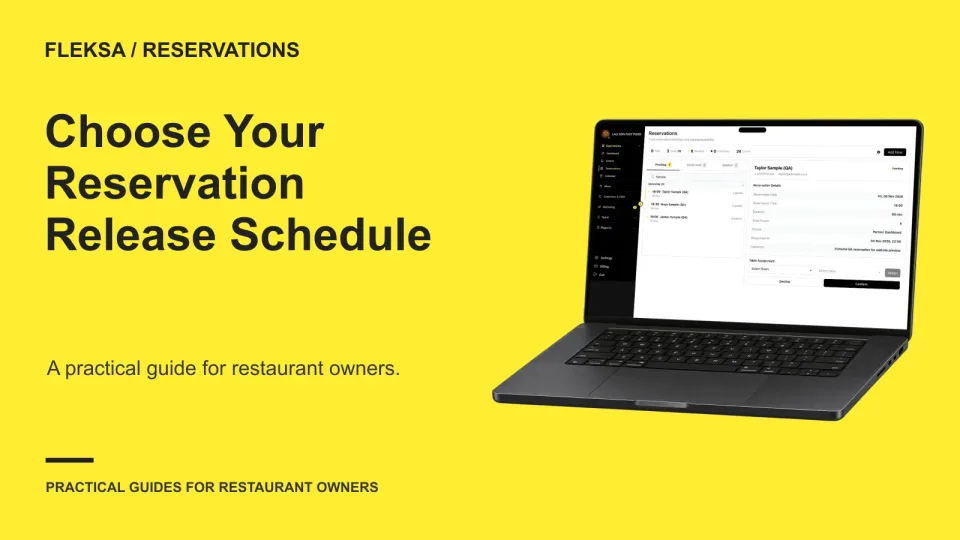
A daily reservation release spreads demand but requires a reliable routine. A monthly batch concentrates work and can leave fewer future dates available. Use this worksheet to choose a pattern and check it before launch.
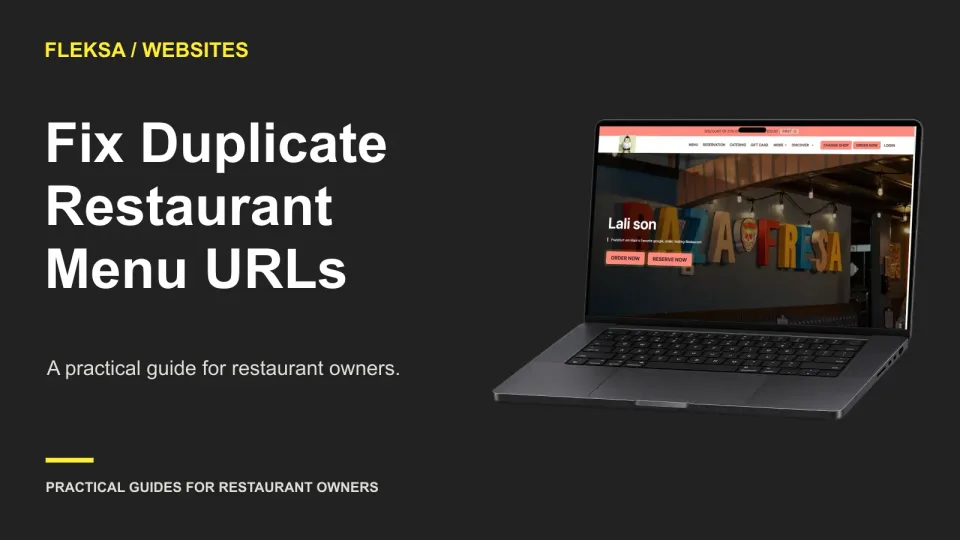
Two public menu URLs can split links and confuse maintenance. Learn how to inventory duplicates, pick the version guests should use, map the other URL to it, and check the results without assuming a search ranking change.
Page 59 of 94
Older articles for diners