Compare software, understand costs, and plan your next step.
Can guests find a dish, understand its price, and reach the ordering link without a mouse? Use this practical checklist to test your restaurant menu and decide what to fix before the next update.
A delivery radius should reflect more than distance. Compare travel times, delivery costs and kitchen capacity by zone, then use a small pilot to decide where your restaurant can deliver reliably and economically.
A POS demo should show more than a clean order screen. Use this sample meal and expected-results matrix to check required choices, paid extras, substitutions, kitchen instructions and changes after an order is sent.
When an online order and your POS disagree, the restaurant should not have to guess which vendor to call. Use a responsibility matrix to assign the first contact, investigation handoffs, and the evidence each provider needs.
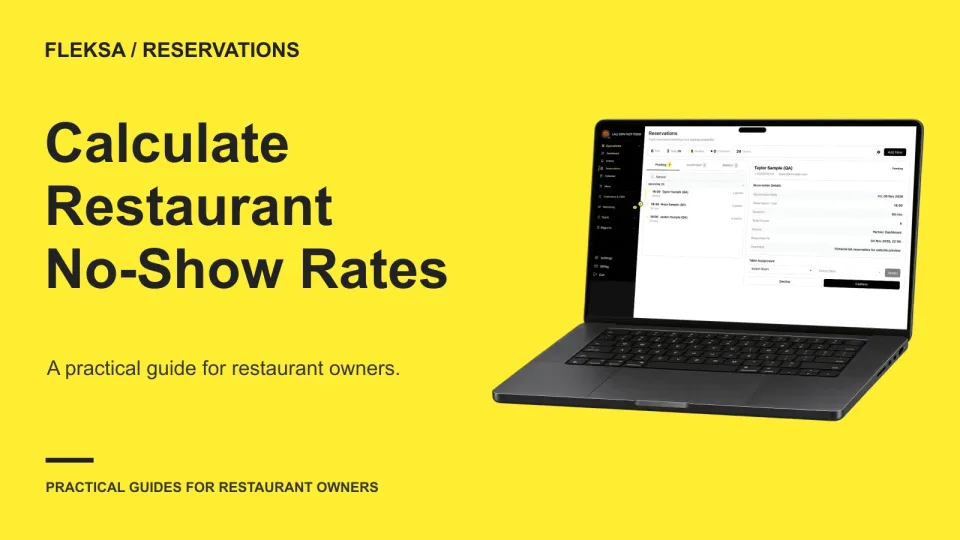
A useful no-show rate compares absent parties with bookings that reached a final seated or no-show outcome. Learn how to handle cancellations and unresolved bookings, compare shifts fairly, and correct classification mistakes.
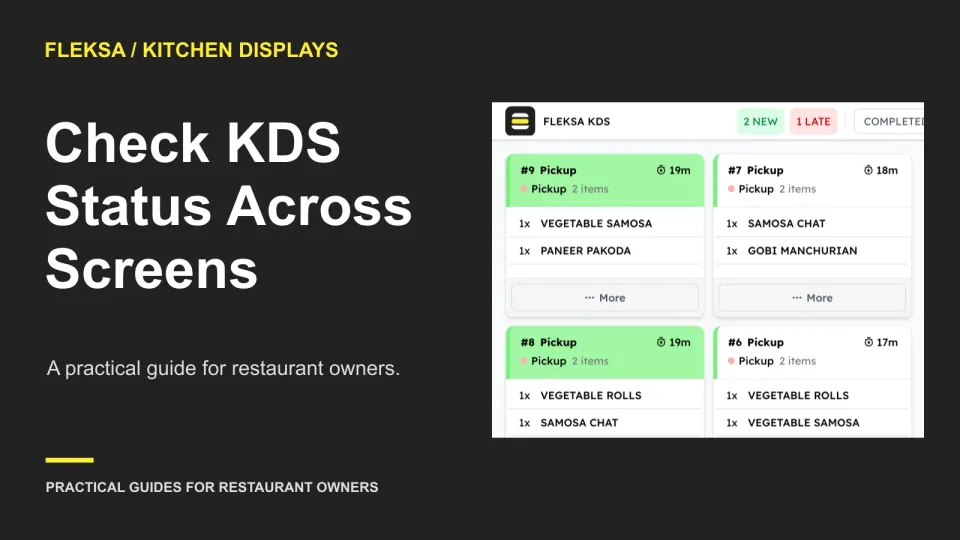
A ticket can look finished at one station while expo still sees work outstanding. Use a two-station example to set expected screen states, check delayed updates, and decide what to ask a KDS vendor before buying.
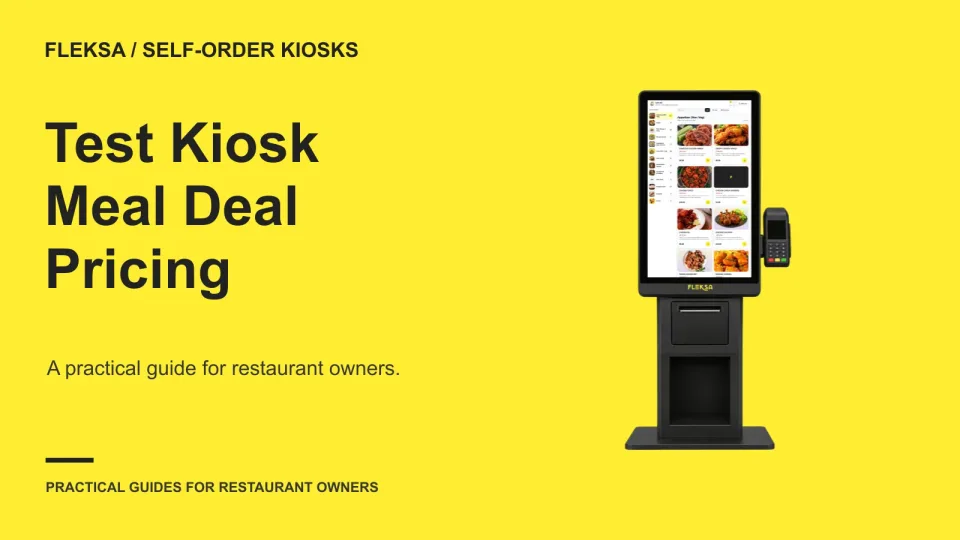
A kiosk meal deal needs more than a discount label. Use this practical worksheet to compare bundle and separate-item totals, test substitutions and removals, and check what the kitchen receives before launch.
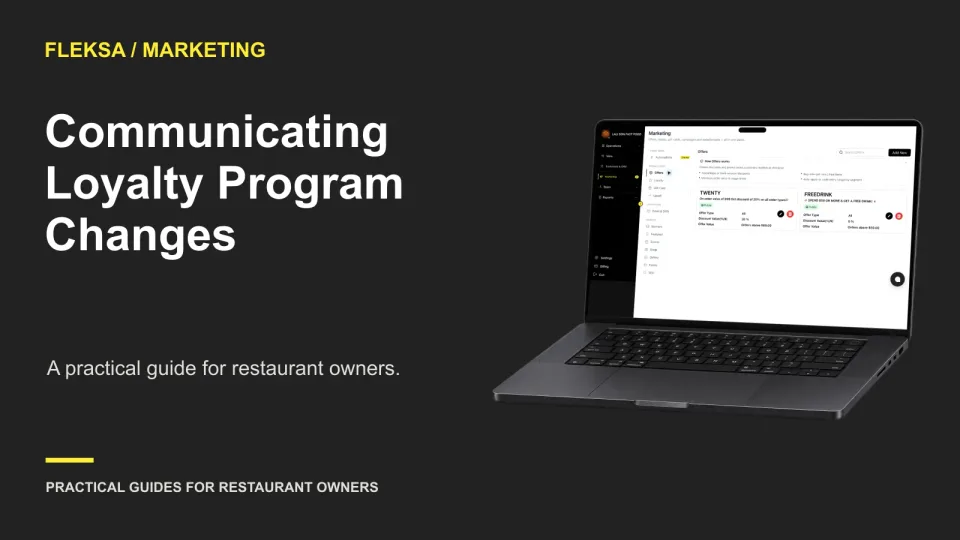
A reward rule change can leave regulars unsure what their points are worth. Use a clear cutoff, trace three member balances, and prepare a notice that separates existing points from rewards already issued.
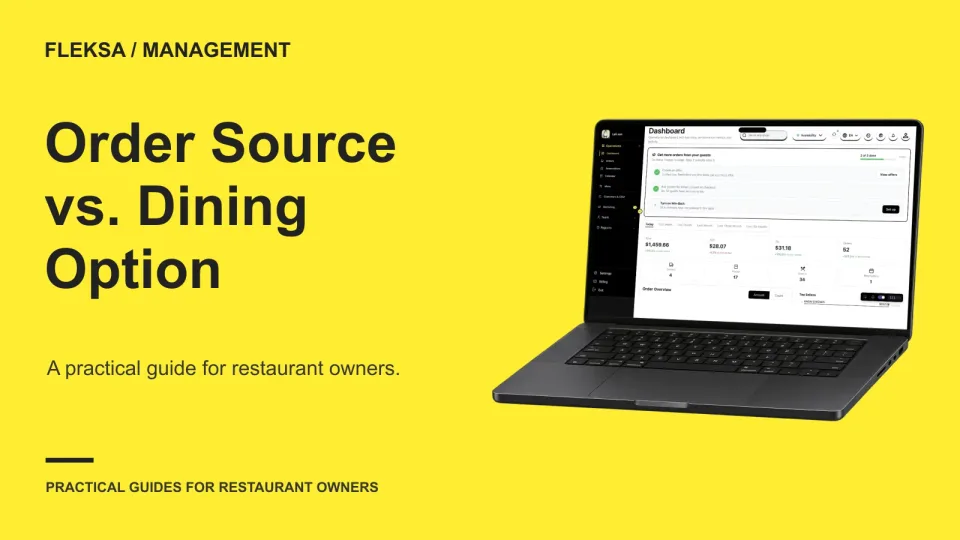
Kiosk and counter describe where an order starts; dine-in and takeaway describe how a guest receives it. Use a cross-tab to compare both dimensions, reconcile totals and decide which service bottleneck deserves a closer look.
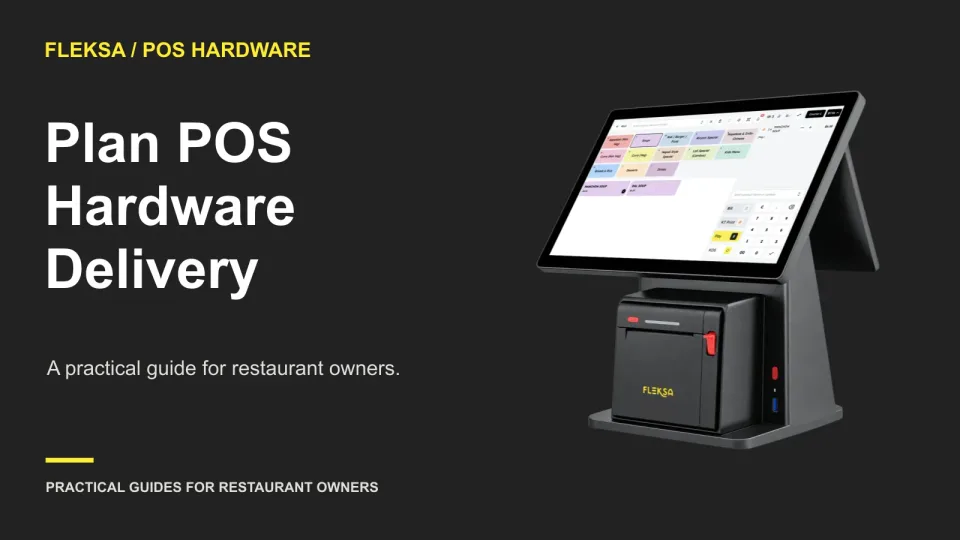
The right POS bundle is only useful if every station has the devices and accessories it needs in time to test. Use this receiving and staging checklist to catch missing parts, assign owners, and make a clear opening decision.
A restaurant homepage should make pickup and delivery equally easy to find without sending guests through the wrong flow. Use this mobile wireframe and task test to check labels, service information, and the handoff to ordering.
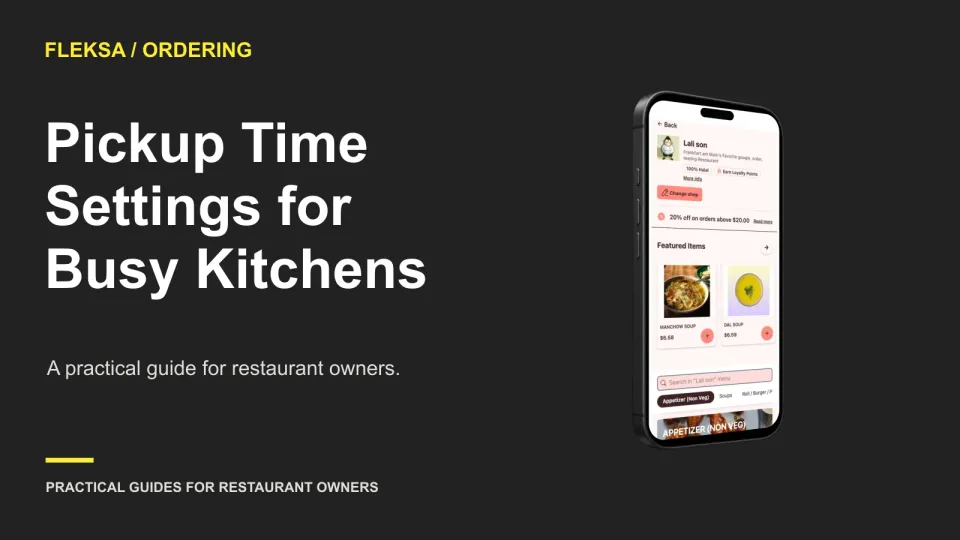
A pickup promise should account for more than cooking time. Use this practical worksheet to estimate the queue, prep, packing, and handoff, then decide when to extend pickup times or pause orders.
Page 15 of 94
Older articles for diners