Compare software, understand costs, and plan your next step.
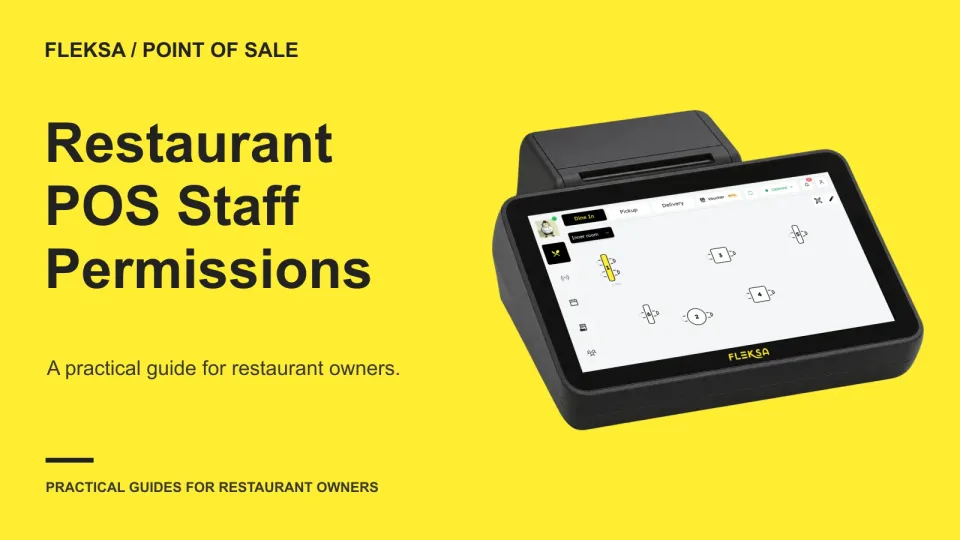
A good POS permission setup lets staff handle routine orders while reserving sensitive changes for the right people. Use this sample role matrix and demo script to check approvals, reporting access, and employee departures.
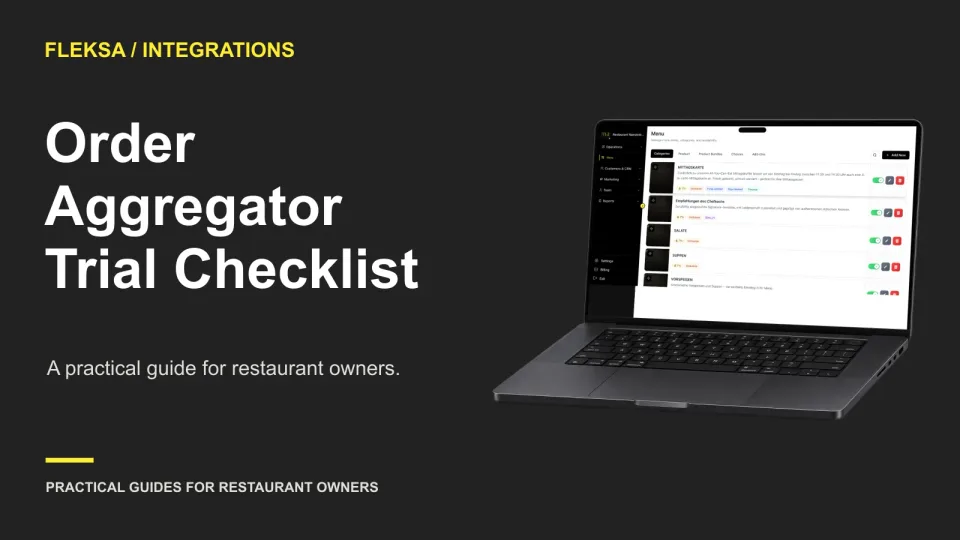
A short aggregator trial should show which orders reach the right kitchen, what happens when an order changes, and which devices staff still need. Use a channel-by-location log to turn those findings into a purchase decision.
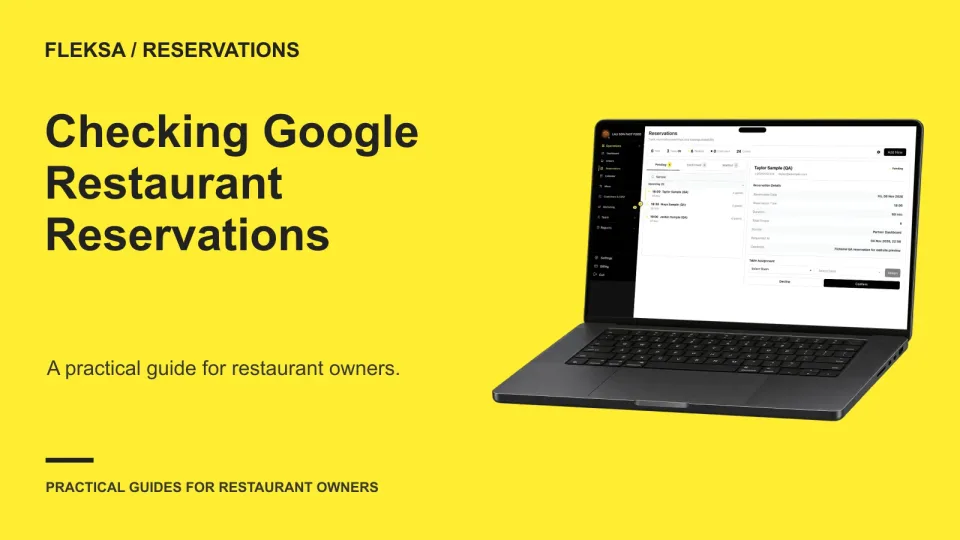
A Google reservation button can bring guests into your booking process, but the host still needs accurate availability and clear records. Use this checklist to evaluate the guest journey, shared inventory, changes, costs and support before turning it on.
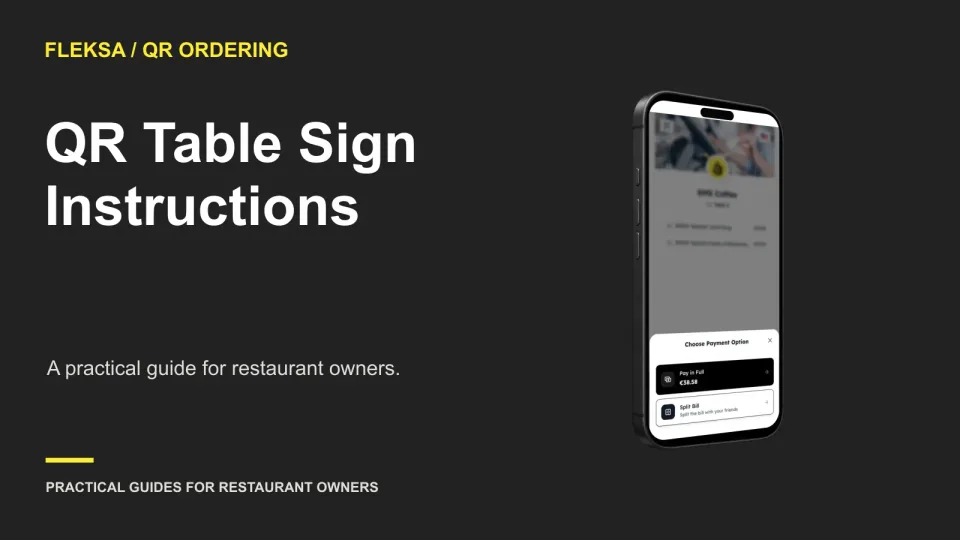
A useful QR table sign tells guests what scanning does, where an order goes, and how to get help without a phone. Use this worksheet to choose and check wording that matches your actual service.
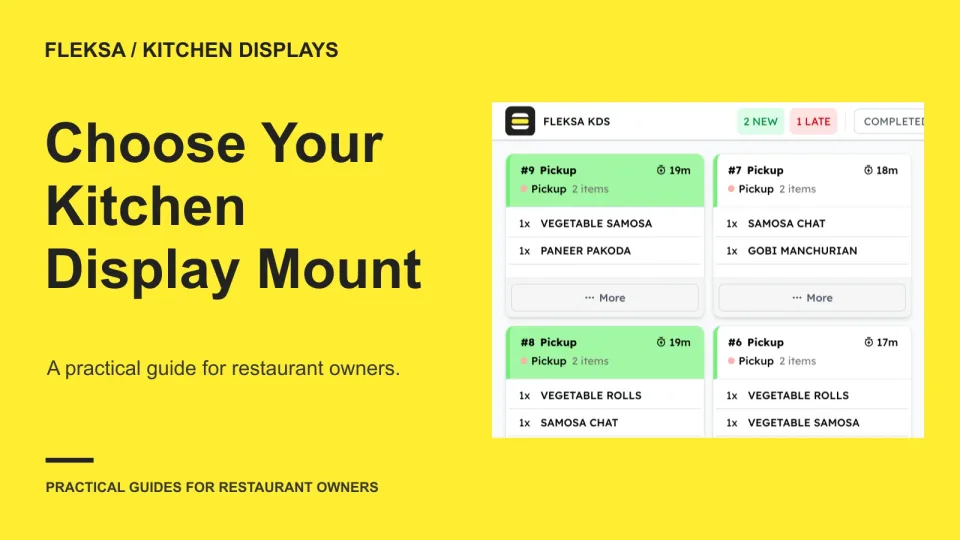
A kitchen display needs to be visible during service without making cleaning or cable access harder. Use a simple location score, a full-scale paper mockup and a written installation plan to choose a practical mounting point.
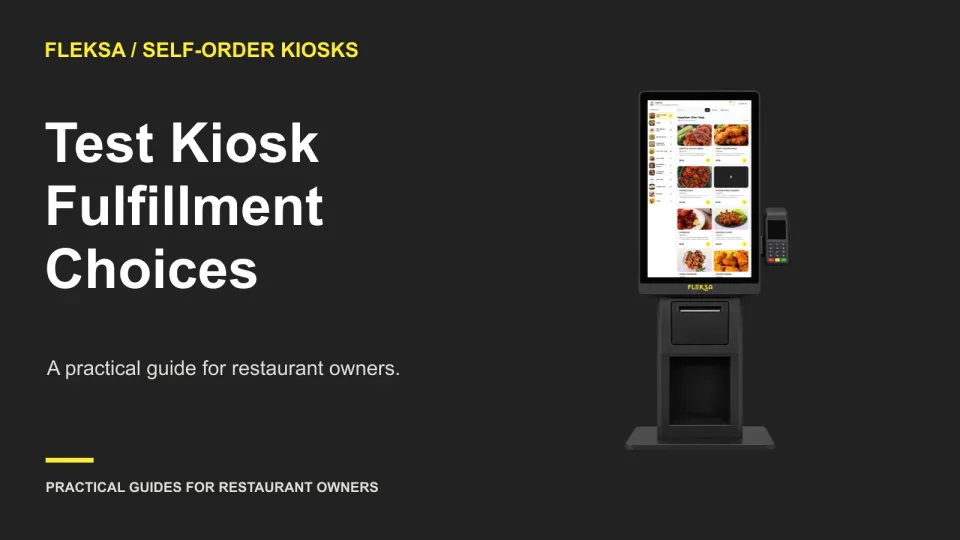
A kiosk order can contain the right food and still reach the wrong service team. Use this practical worksheet to test dine-in and takeaway paths, packaging instructions, and staff corrections before a live pilot.
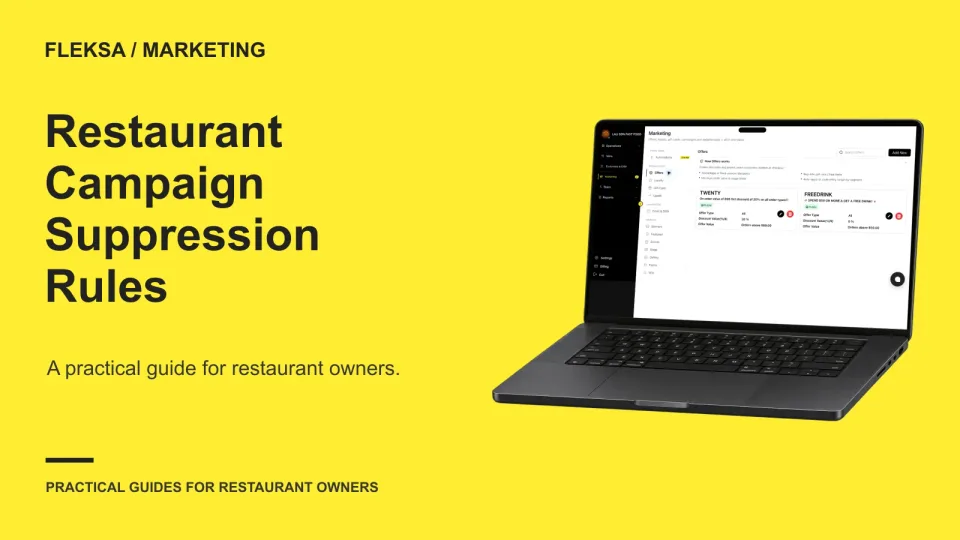
A suppression list keeps the wrong guests out of a restaurant campaign before messages go out. Learn how to combine channel consent and offer redemption records, test last-minute changes, and assign someone to resolve exceptions.
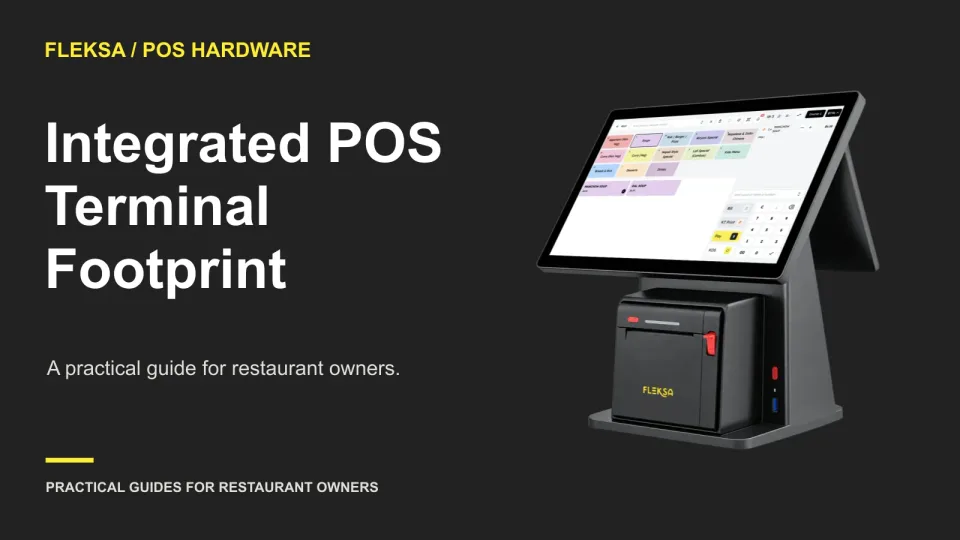
A terminal can fit on a counter and still be awkward to use. Learn how to map its working footprint, check guest payment reach, and resolve clearance questions before buying or installing it.
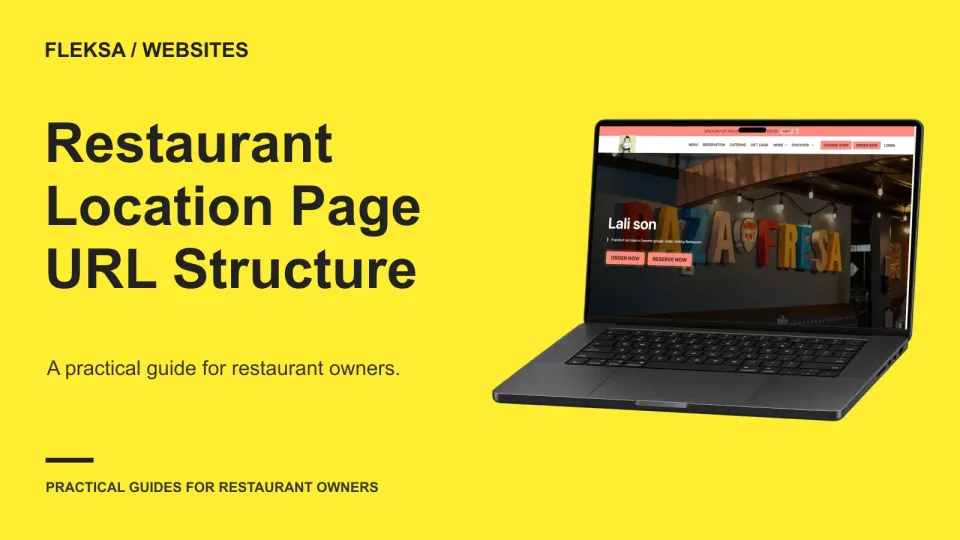
A consistent location URL structure makes a multi-location restaurant site easier to maintain. Use this practical worksheet to compare directories and subdomains, map existing pages, and check that guests can still reach the right location after a change.
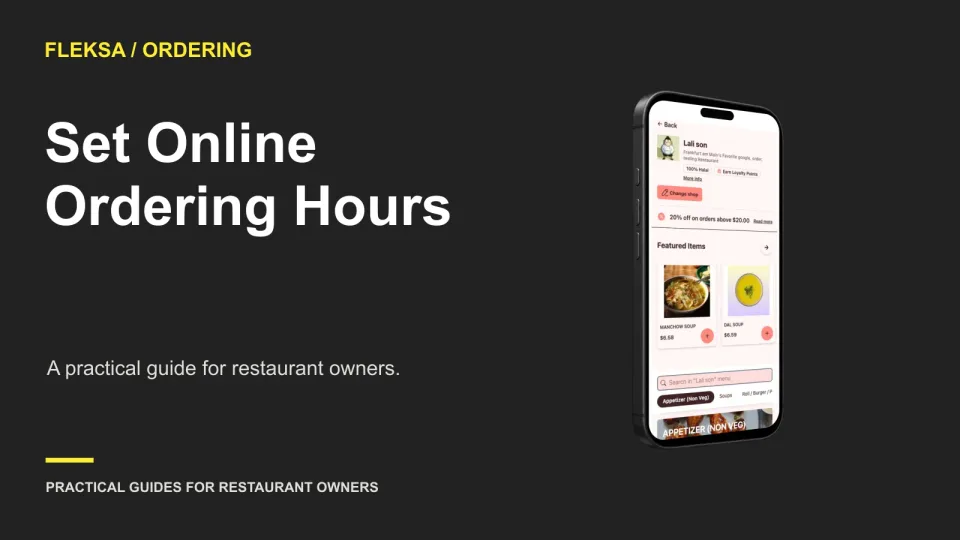
Your dining room may be open after the kitchen stops taking orders. Build a separate schedule for each ordering channel, then check the last available pickup time, advance orders, and holiday exceptions before guests rely on it.
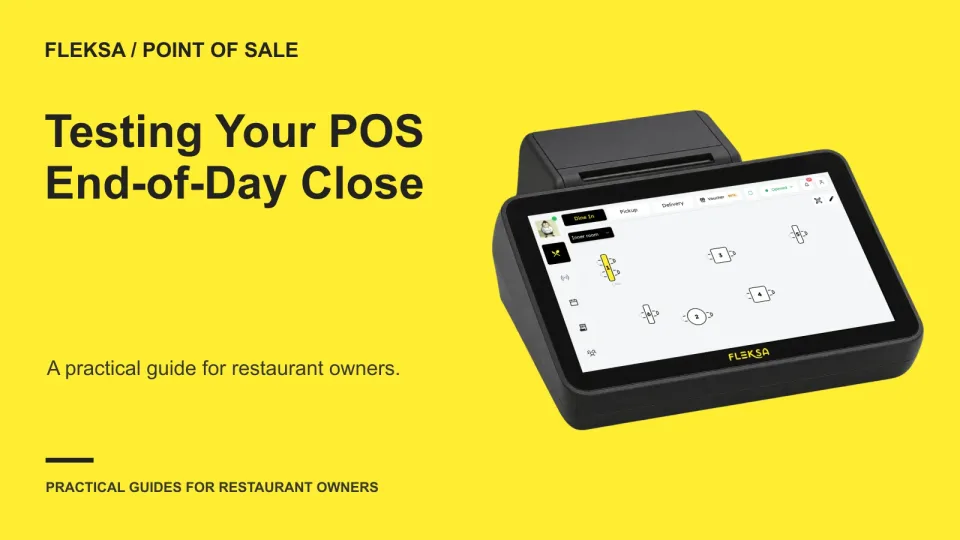
A balanced close starts with three different numbers: sales, payments and cash in the drawer. Use this hypothetical worksheet and manager-led test to see whether your POS makes each number understandable.
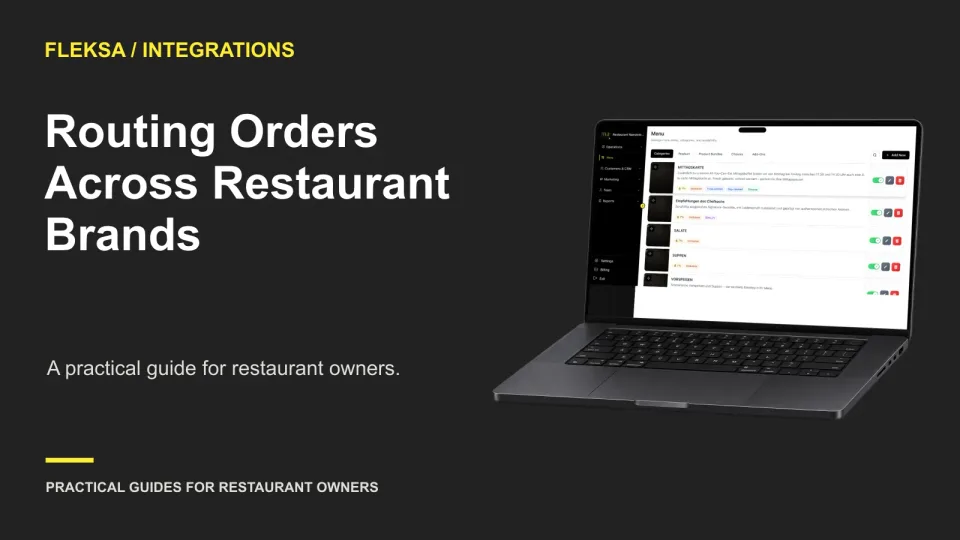
A shared kitchen needs more than a single order screen. Use a brand-to-channel matrix and safe simulations to see whether staff can identify each brand, send orders to the right kitchen, and recover from routing mistakes.
Page 16 of 94
Older articles for diners