Compare software, understand costs, and plan your next step.
Disabling a sold-out item in your POS may not immediately remove it from every ordering channel. Use a controlled 86-and-restore test to identify the control point, measure delays, and decide what staff should do when an update fails.
A table for four may need a different reservation duration at lunch than at dinner. Learn how to measure occupancy, choose starting assumptions, and check what a longer turn means for available bookings.
A QR code should not be the only path to a meal. Give staff a clear way to offer a menu, take an order, confirm the table and follow through when a guest cannot or prefers not to use a phone.
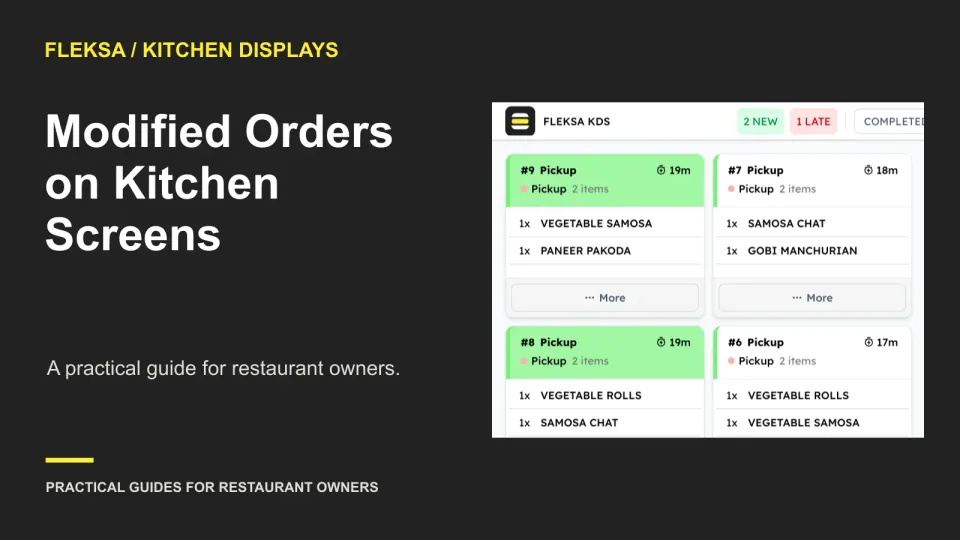
A changed ticket needs to tell the kitchen what stopped, what replaced it, and who has seen the correction. Use this practical worksheet and station-by-station example to evaluate a kitchen display workflow before buying.
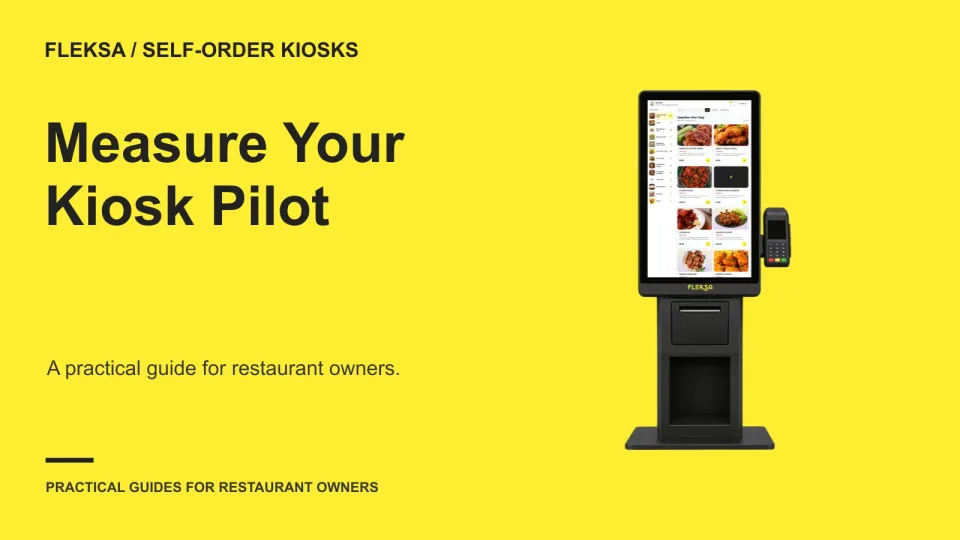
A kiosk pilot should answer more than whether guests use the screen. Compare similar shifts, measure completed orders and assistance, and set a failure test before deciding whether another location should get a kiosk.
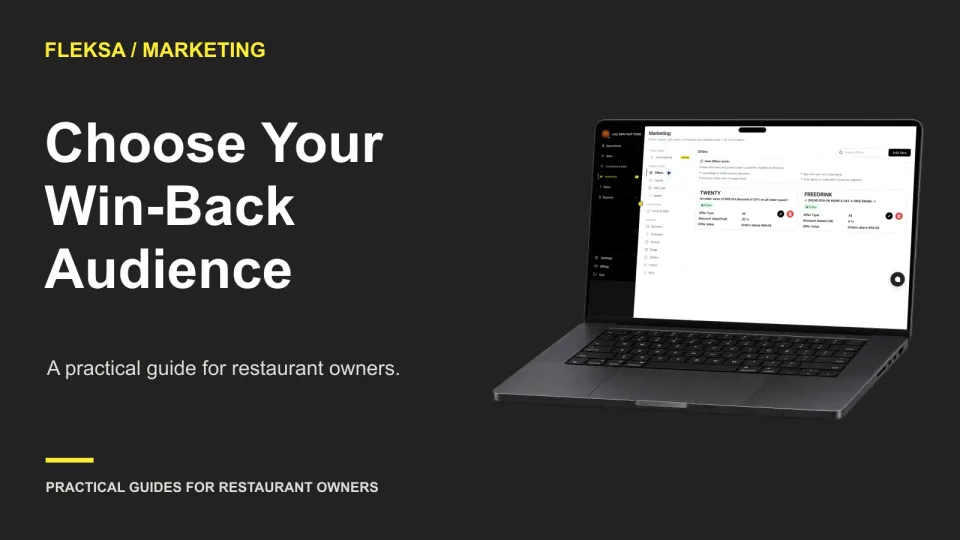
A guest who missed one usual visit needs a different response from someone absent for six months. Use this practical worksheet to set inactivity windows, exclude unsuitable contacts and measure whether a win-back message brings guests back.
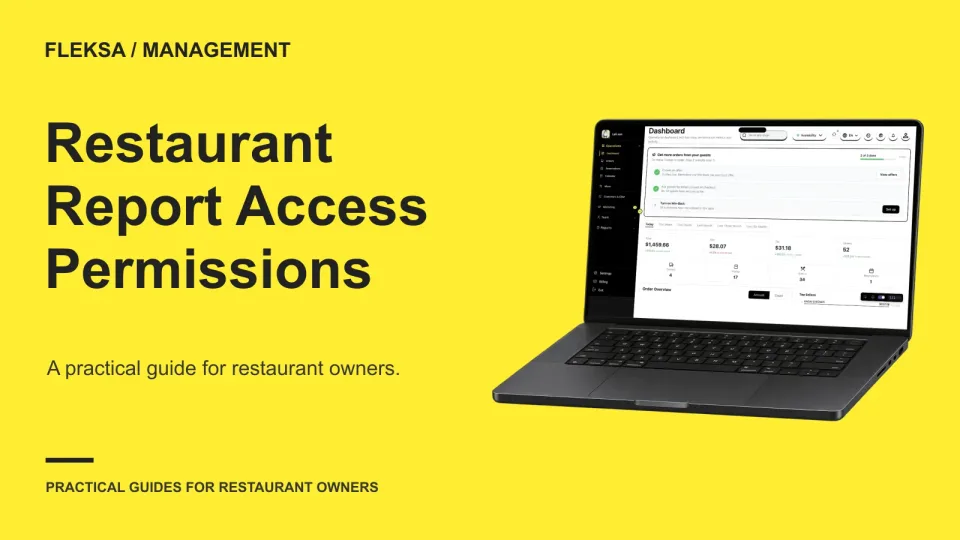
Managers need enough reporting access to run their shifts, but not every manager needs employee-level labor data or unrestricted exports. Use this practical worksheet to assign access by responsibility and review it when jobs change.
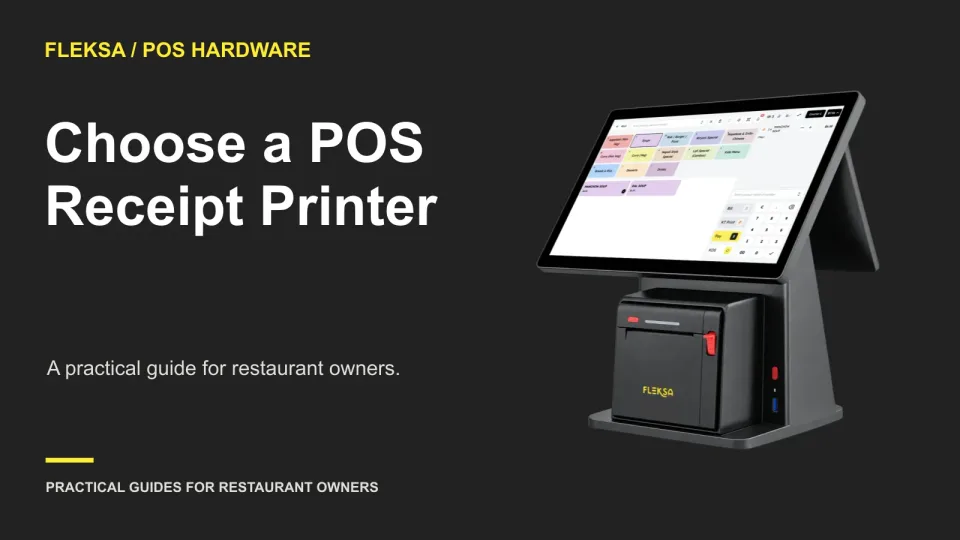
A receipt printer needs more than the right cable. Check your POS device, supported models, connection, paper and recovery process before buying. This guide includes a practical acceptance worksheet and a safe way to practice common failures.
A restaurant website should be easy to update, accurate on a phone, and affordable to maintain. Use this scorecard to compare restaurant-specific AI, generic AI, and template builders before committing to a plan.
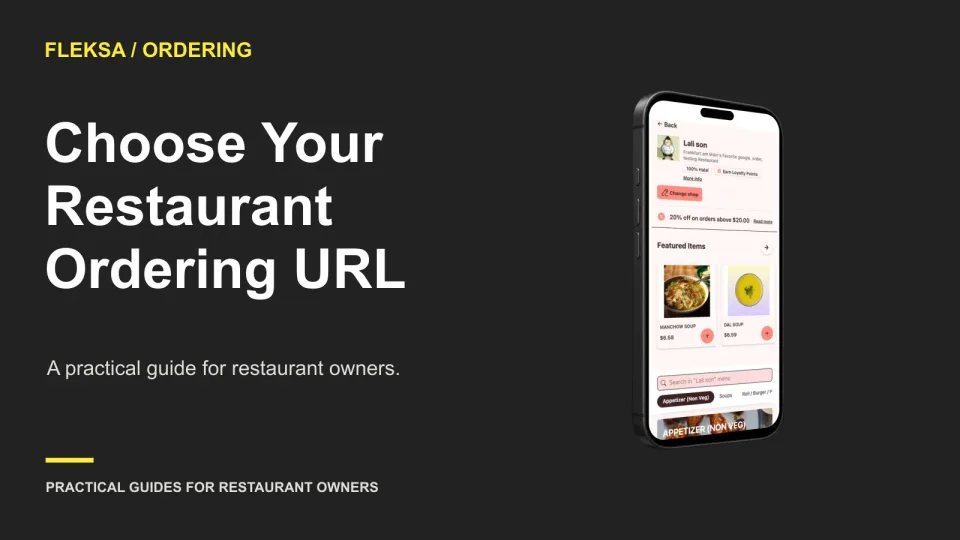
Your ordering link is more than an address on a button. Learn how to compare a branded URL with a provider-hosted link, check who controls each part, and prepare for a future change without sending guests to an obsolete page.
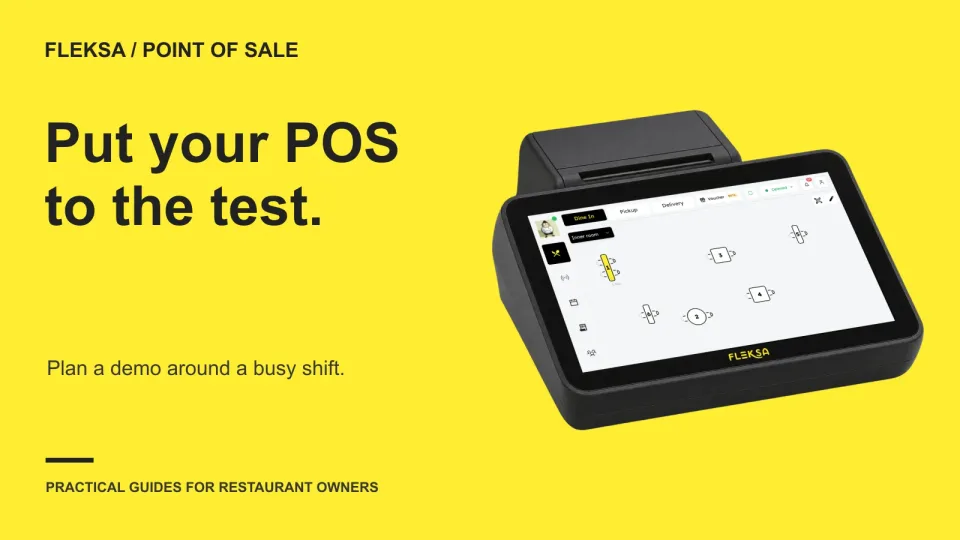
A polished POS demo may not show how your restaurant actually works. Bring a repeatable order script, test common interruptions and score what each vendor demonstrates before choosing a system.
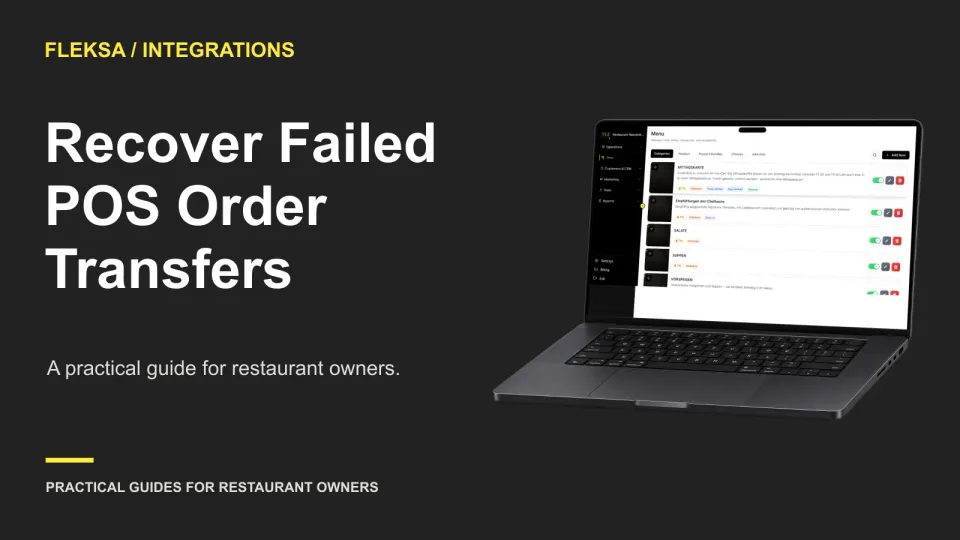
A missing POS order needs a clear owner and a careful status check. Use this response tree and reconciliation log to decide when to retry, enter an order manually, or pause before creating a duplicate.
Page 2 of 94
Older articles for diners