Compare software, understand costs, and plan your next step.
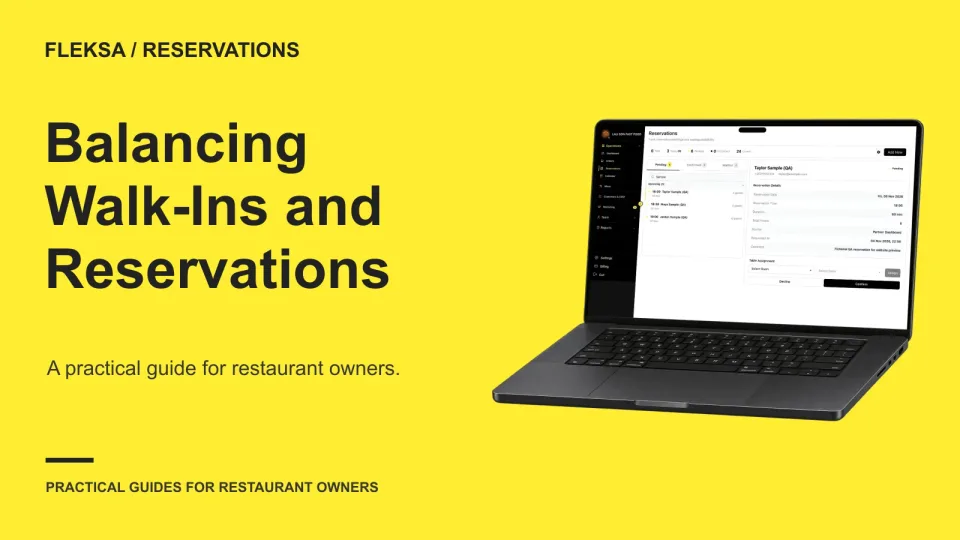
A walk-in holdback can welcome unscheduled guests without putting booked parties at risk. Use this practical worksheet to compare busy and quiet demand, set release times, and give hosts clear authority to adjust.
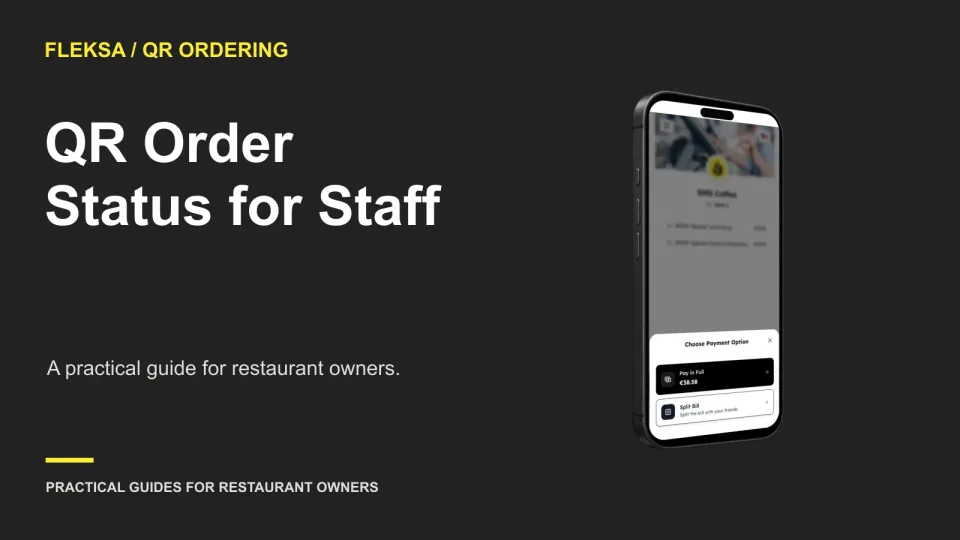
A guest tapping submit does not tell your team whether the kitchen received an order. Set clear status boundaries, assign staff ownership, and check uncertain submissions before asking a guest to retry.
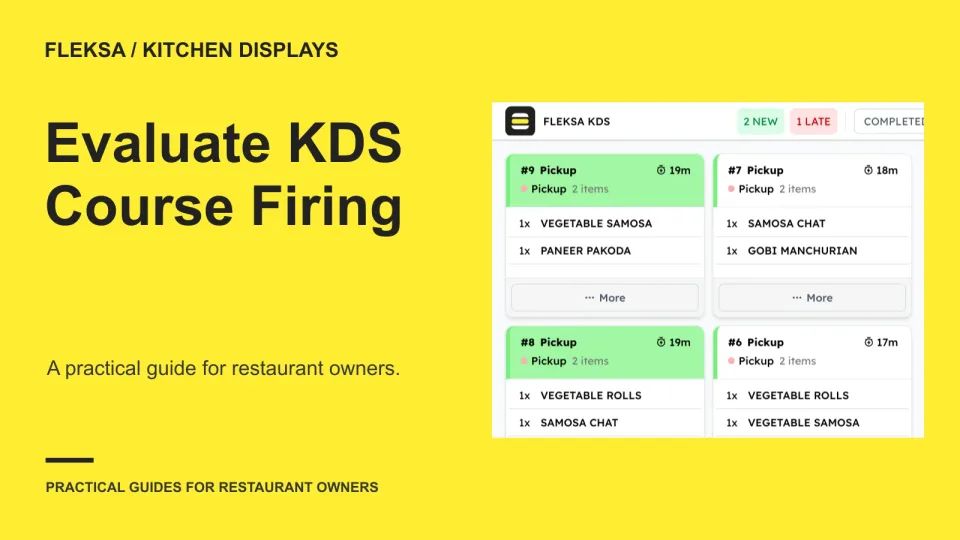
A kitchen display can show an order without making its course timing clear. Use a two-course example and a safe simulation to evaluate holds, fire signals, amendments, and station acknowledgments before choosing a system.
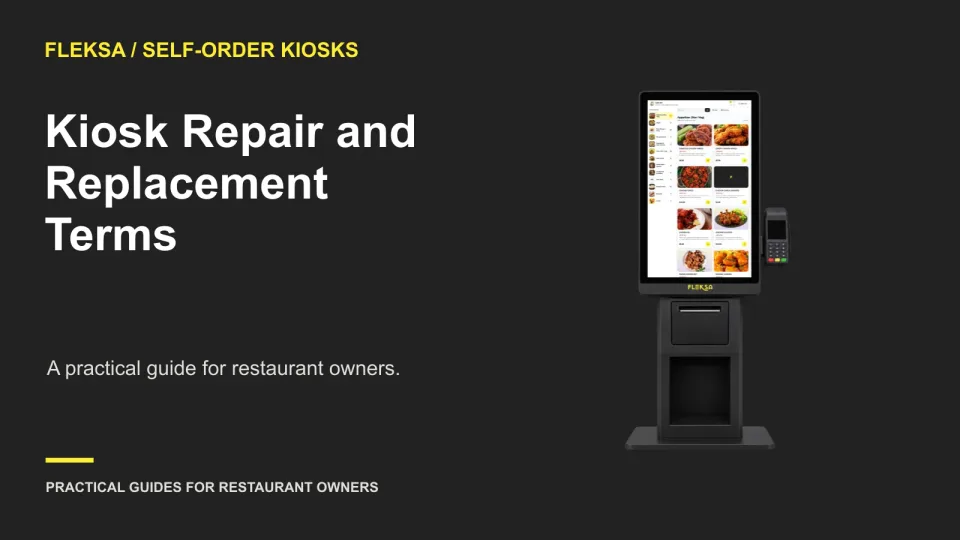
A kiosk quote is only the starting point. Use this practical worksheet to compare repair responsibilities, replacement costs, support response times and the steps needed to get a device back into service.
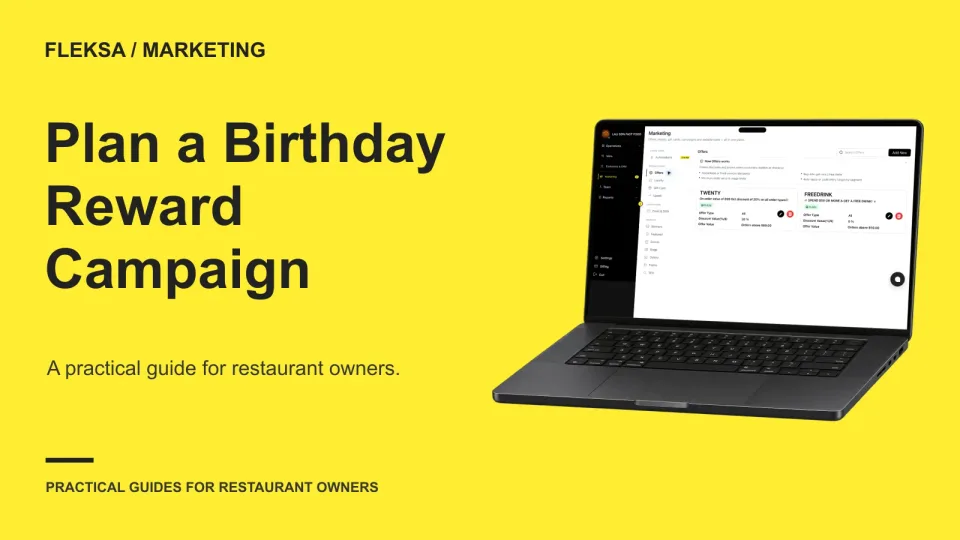
A birthday offer needs more than a date and a discount. Use this practical worksheet to choose who qualifies, handle missing dates, test duplicate and suppression rules, and measure results without overstating what the campaign caused.
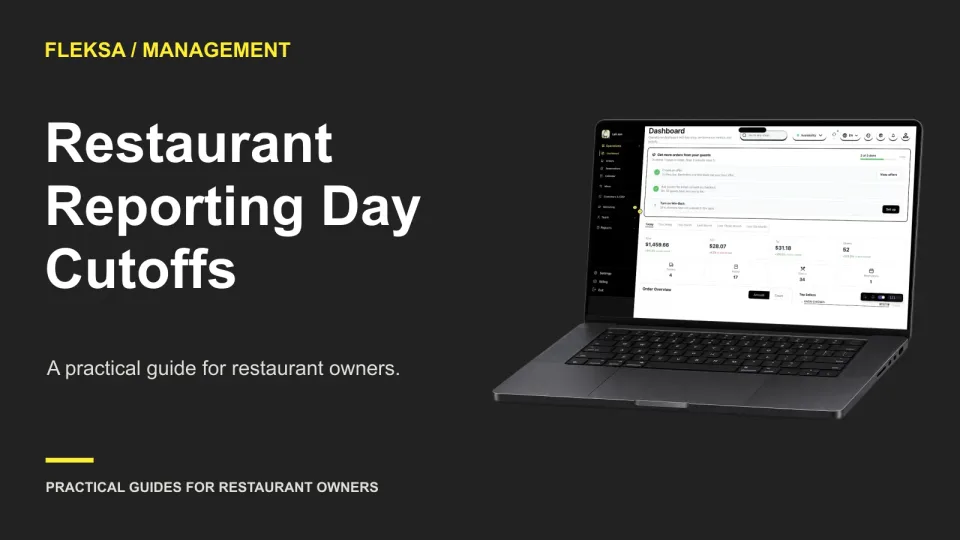
A midnight cutoff can split one dinner service across two report dates. See how an overnight cutoff changes the numbers, which reports need to match, and what to check before changing your settings.
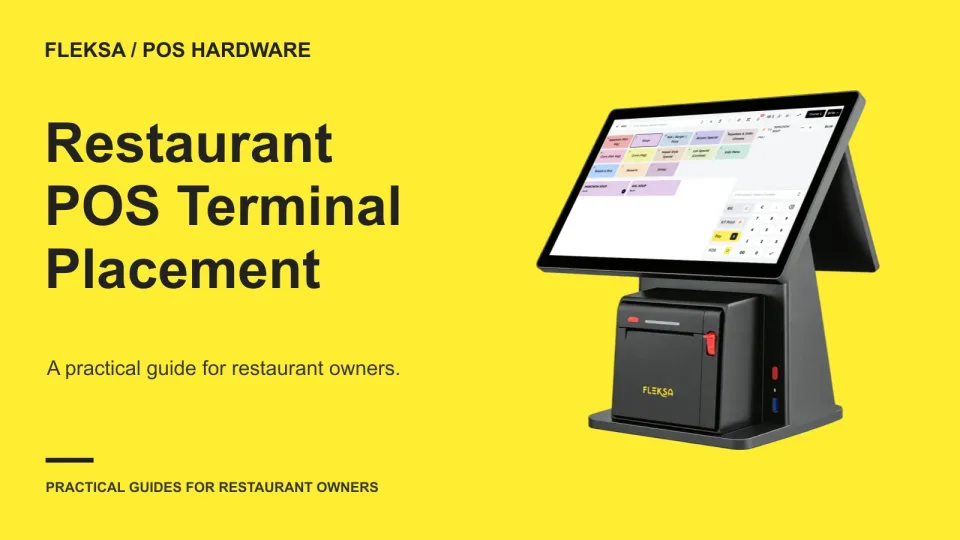
The right terminal count depends on where staff need to enter orders and take payments at the same time. Map their routes, measure peak demand, and test a proposed layout before committing to hardware.
A single-location restaurant can start with a small set of useful pages. Map guest tasks to each page, choose clear navigation labels, and check that the details people need are current and easy to find.
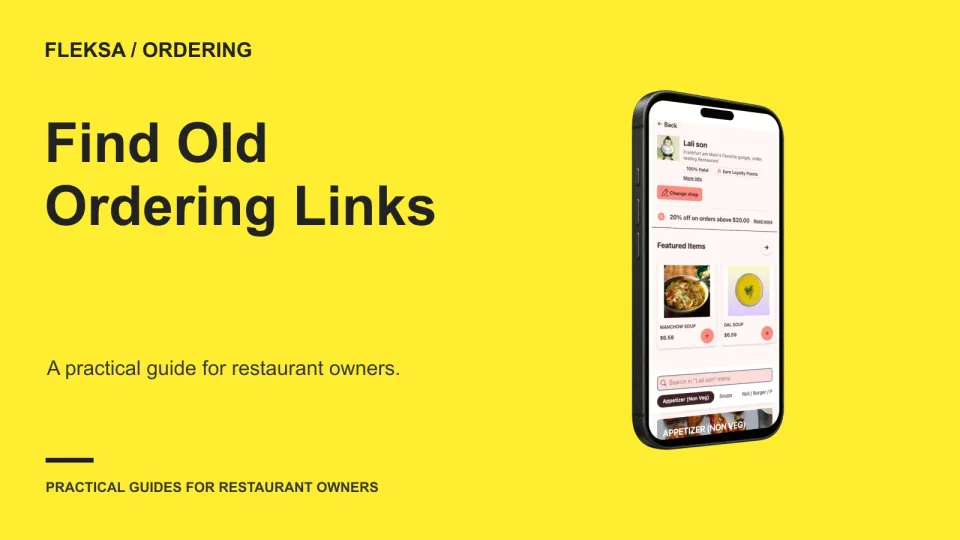
An old order button can send guests to the wrong menu after a vendor switch. Build an inventory of public entry points, assign an owner to each one, and check the destinations before and after cutover.
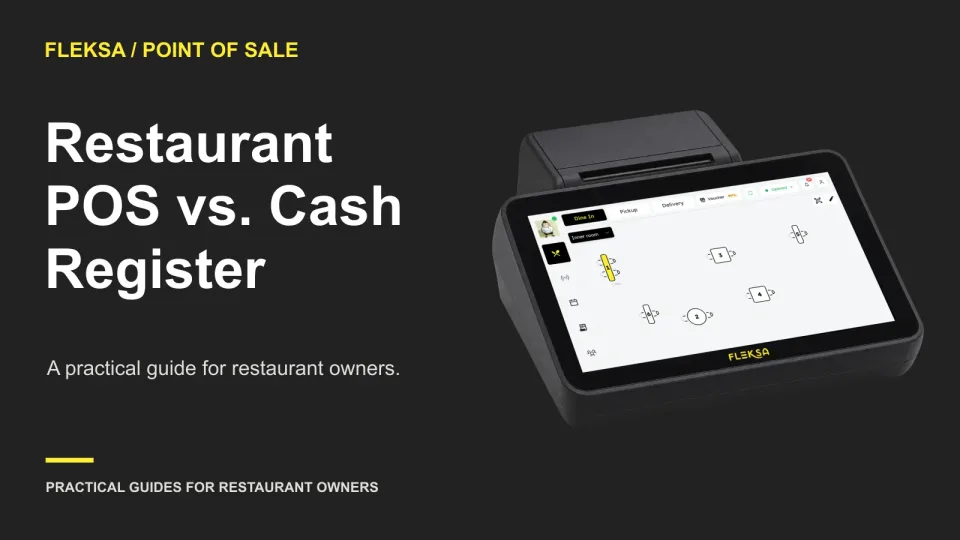
A cash register can be enough for a simple counter, but connected payments and detailed reports may justify a POS. Compare daily workflows, first-year costs and vendor answers before deciding.
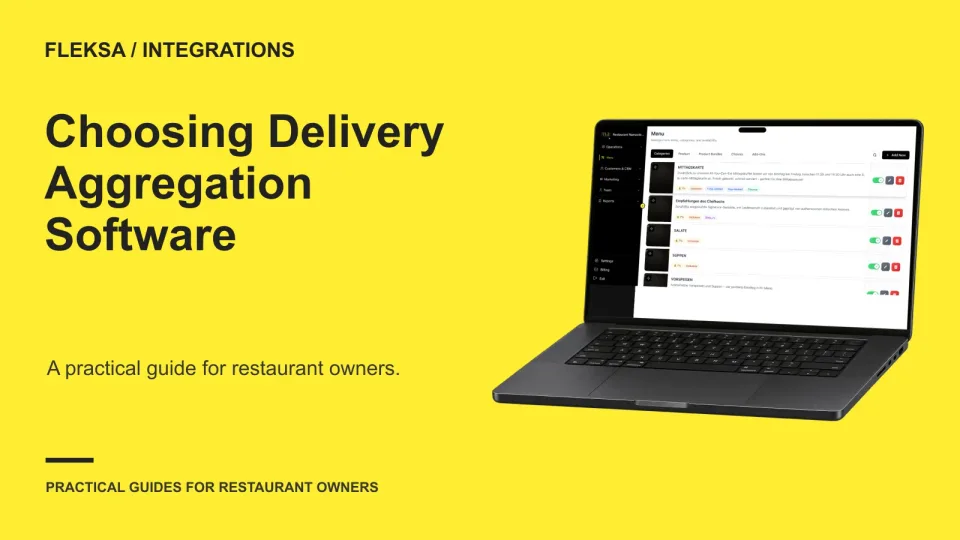
The right aggregator must cover more than a list of marketplace logos. Build a channel-by-channel matrix, check which actions reach your POS, and agree on what happens when an order or connection needs attention.
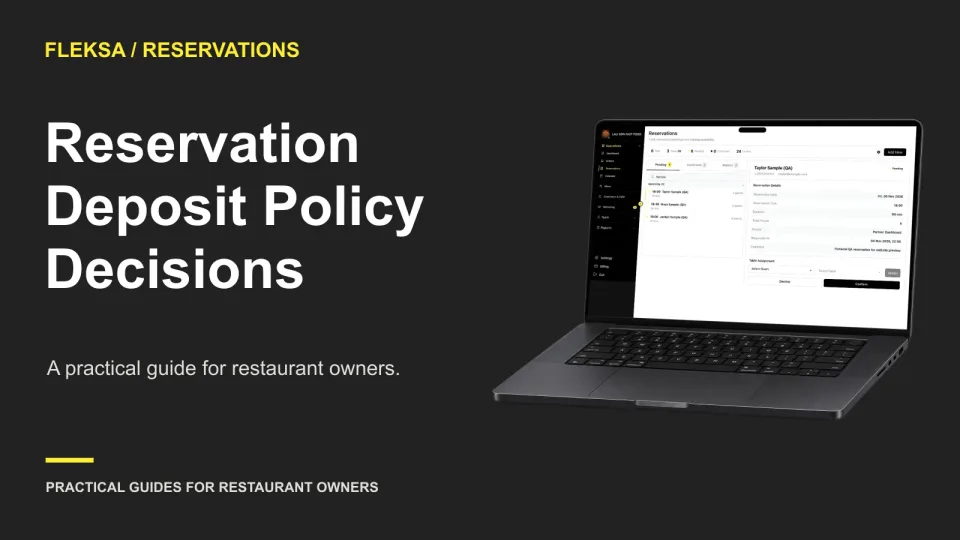
A reservation deposit can protect a busy service, but collection, refunds, and lost bookings have costs too. Use this practical worksheet to compare a deposit with a card guarantee or no policy before changing your booking process.
Page 3 of 94
Older articles for diners