Compare software, understand costs, and plan your next step.
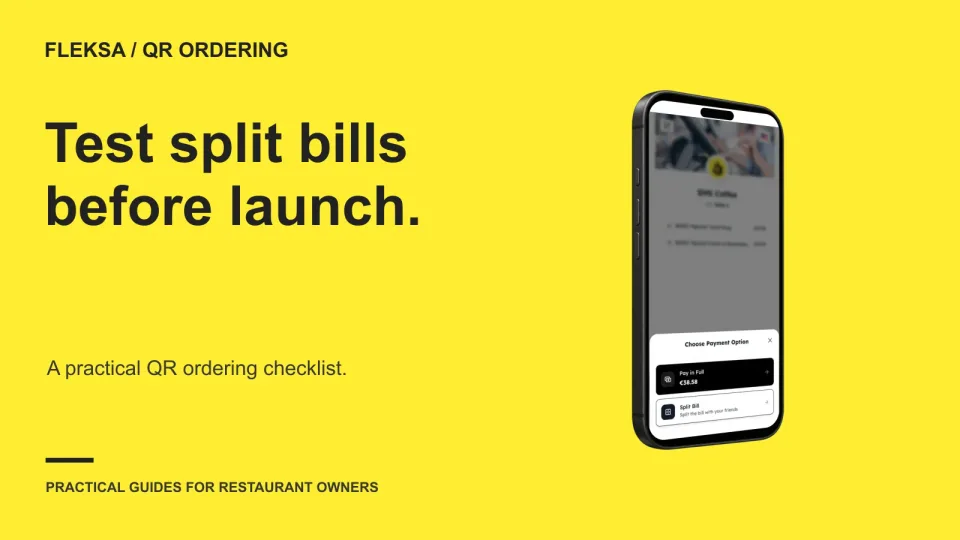
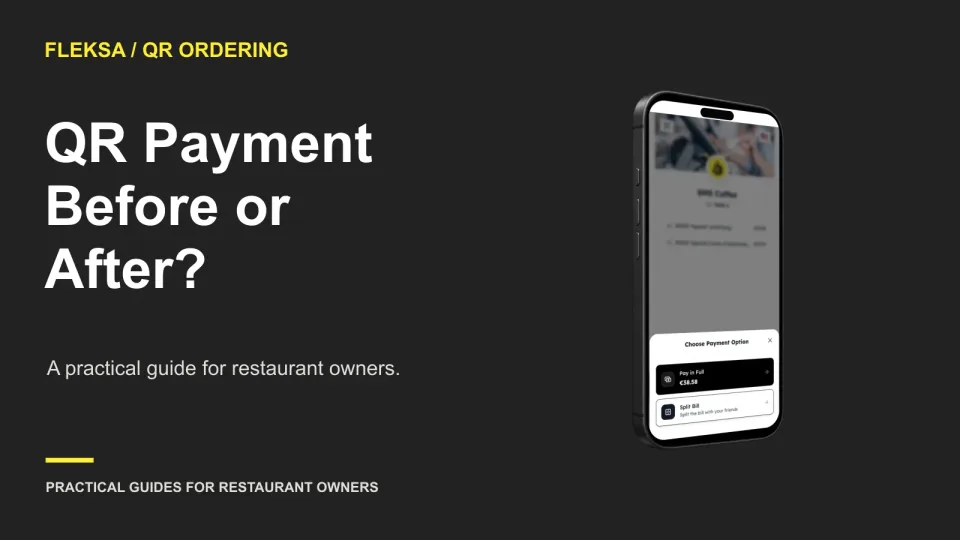
A QR payment can look successful to one guest while a table still owes money. Use these scenarios to check split methods, remaining balances and settlement before making QR payment part of service.
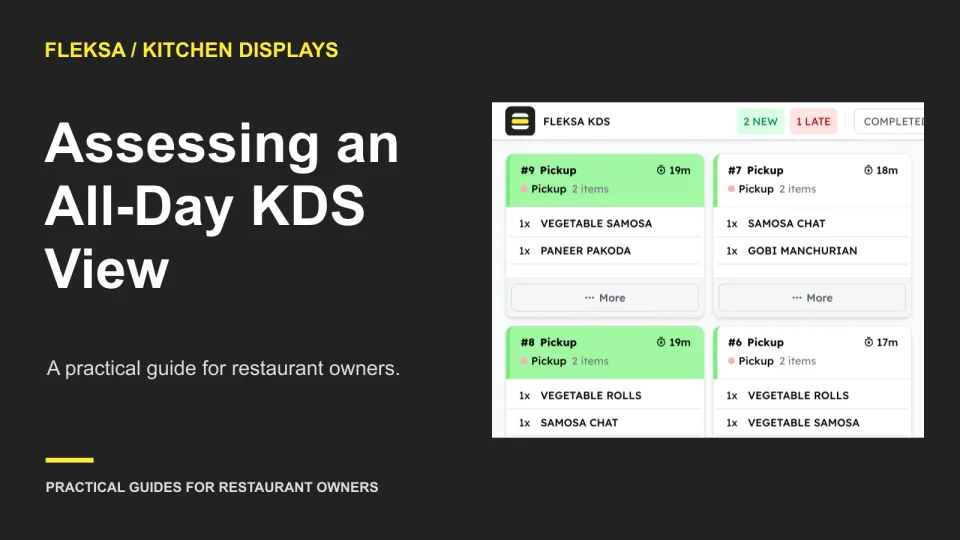
An all-day view adds quantities across orders so cooks can see what to prepare. But a useful count must sit alongside ticket times and modifiers. Use this worksheet to evaluate both views before choosing a kitchen display.
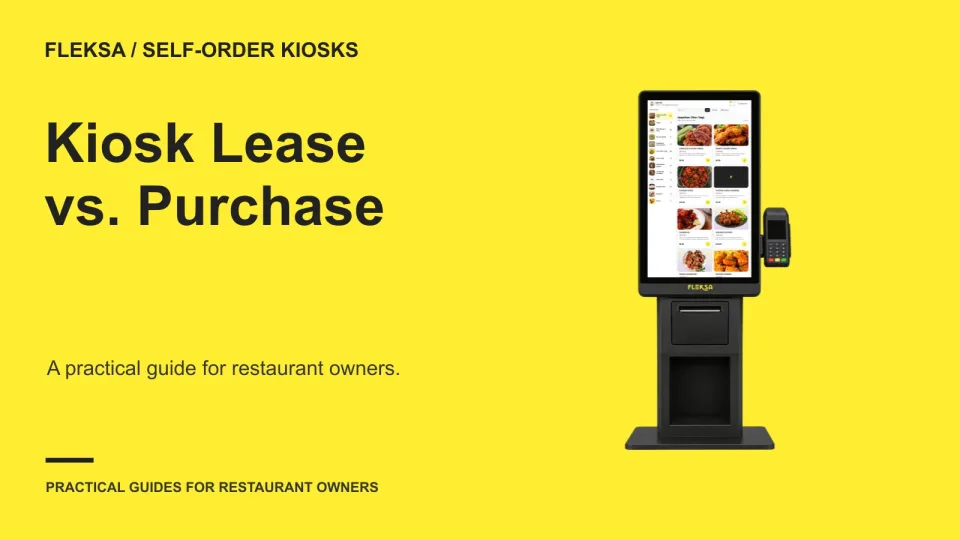
A low monthly kiosk payment does not necessarily make a lease cheaper. Use an equal-term cost schedule to compare upfront charges, maintenance, ownership, and early exit terms before choosing an offer.
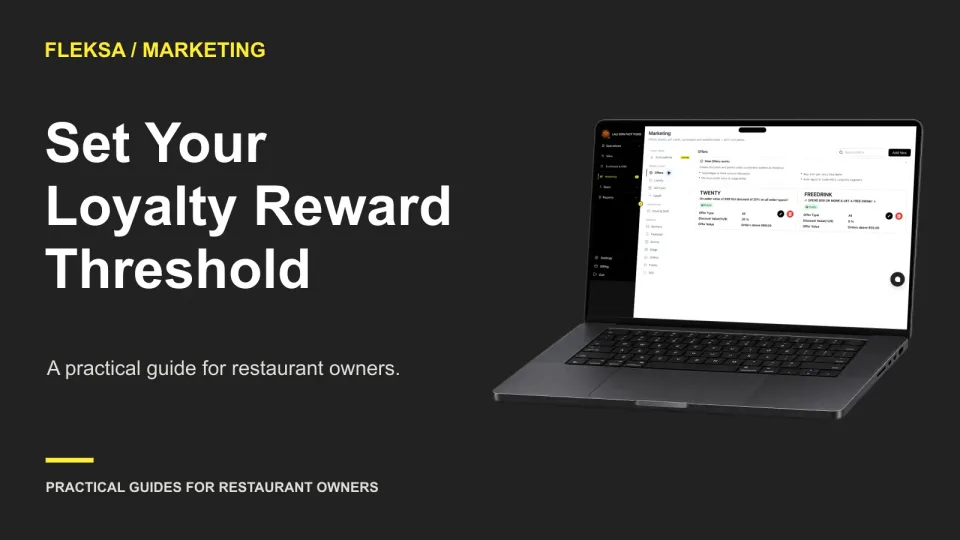
A loyalty threshold determines how much a guest must spend before earning a reward. Use a simple points calculation and a mix of check sizes to choose a target that guests can understand and your restaurant can afford.
A departing employee may have access through more than a POS login. Use this practical checklist to find accounts, assign revocation owners, address shared credentials, and record how each access point was checked.
A shared receipt printer needs more than a network connection. Learn how to map the devices, check discovery at the intended station, test an interruption safely, and decide who owns each support step.
Your homepage cannot give every action equal priority. Use your service model, guest needs, and operating capacity to decide whether ordering, reservations, or phone calls should lead—and what should remain easy to find.
A direct ordering channel needs more than a healthy order count. Use this practical scorecard to measure completed orders, contribution, customer acquisition, repeat visits and service problems during the first months.
A cloud POS can make restaurant data easier to access across devices, but an internet outage or an unclear support plan can change the equation. Use these practical checks to compare systems against your actual service needs.
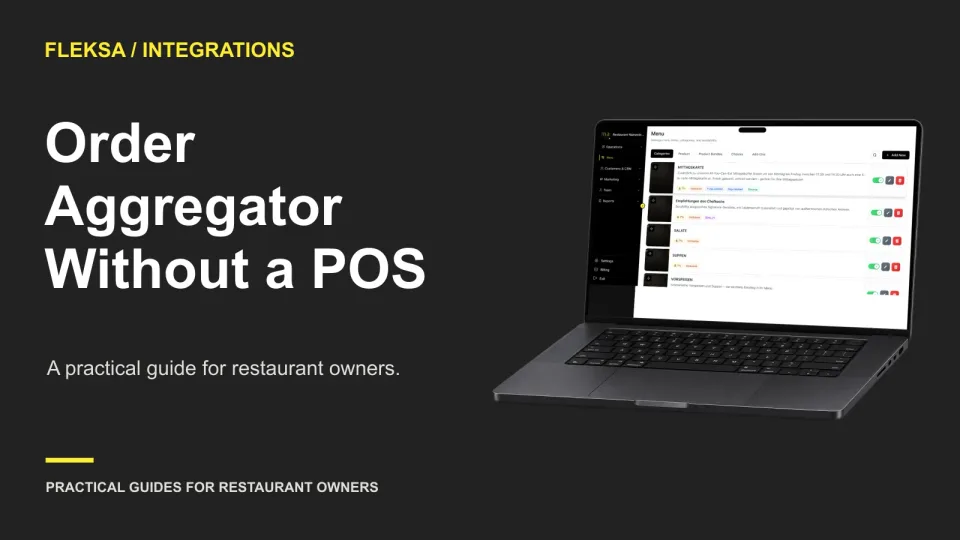
An aggregator-only setup can be a practical starting point, but it does not automatically replace a POS. Map your orders, test exceptions and compare the manual work before deciding what to buy.
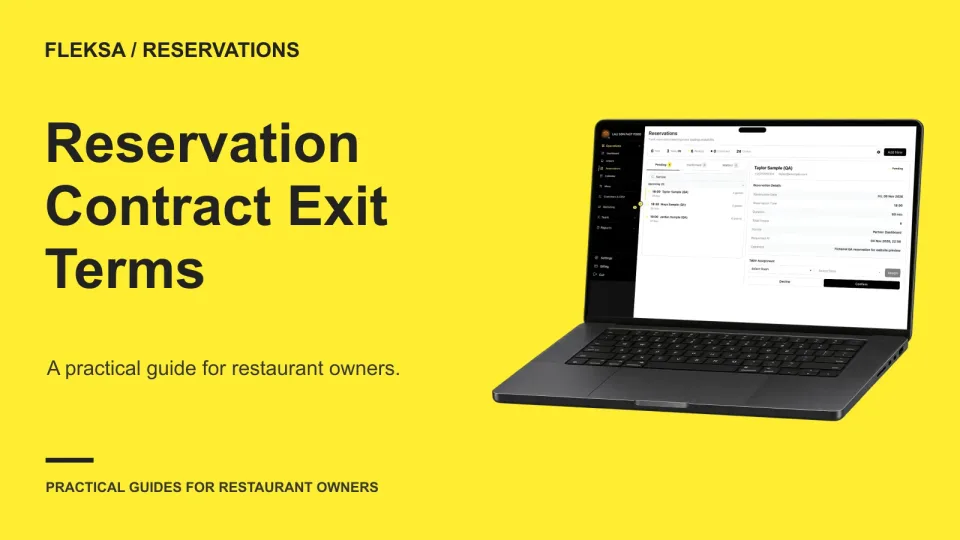
A reservation contract can end while guests still expect their tables. Use this practical worksheet to check what you can export, who handles future bookings, and how to reconcile records before switching systems.
Paying when guests order can reduce unpaid-order exposure, while paying after the meal can make additions easier. Use this worksheet to compare the tradeoffs and check how payment states reach your staff.
Page 4 of 94
Older articles for diners