Compare software, understand costs, and plan your next step.
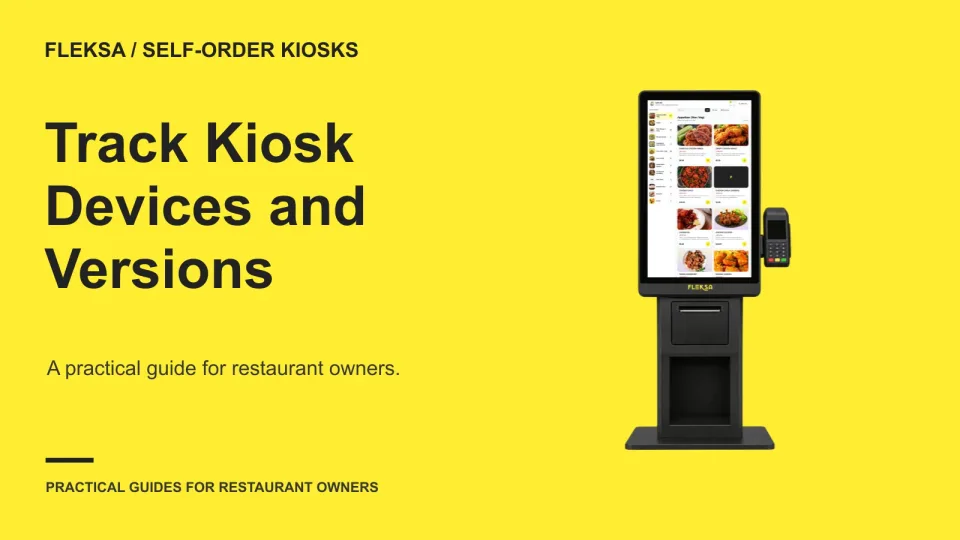
Can you identify every kiosk, its assigned location, and its software version from one inventory? Use this practical register and vendor test to compare an export, a manual record, and update verification before you buy.
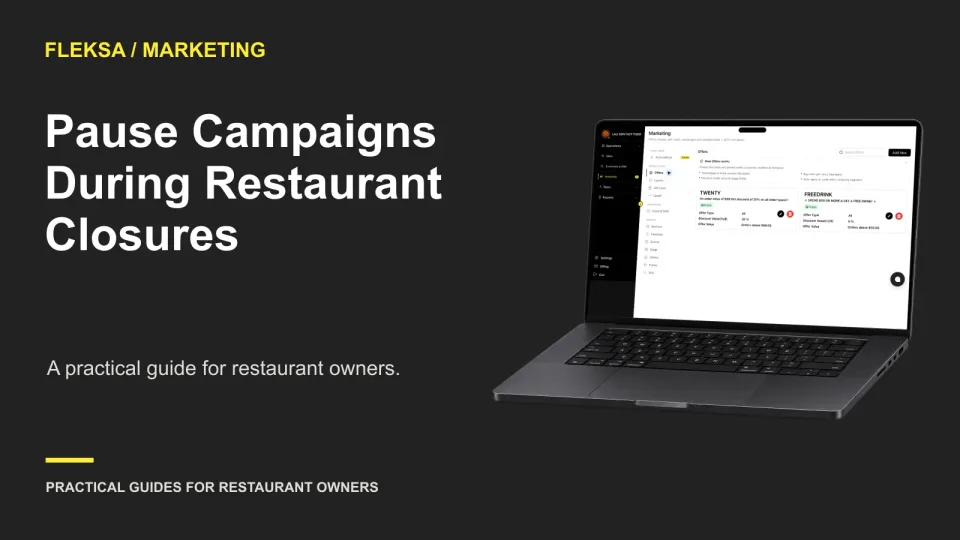
An unexpected closure can turn a scheduled promotion into a guest-service problem. Use this practical worksheet to identify affected messages, choose between pausing and canceling, and test what happens when a guest tries to redeem an offer.
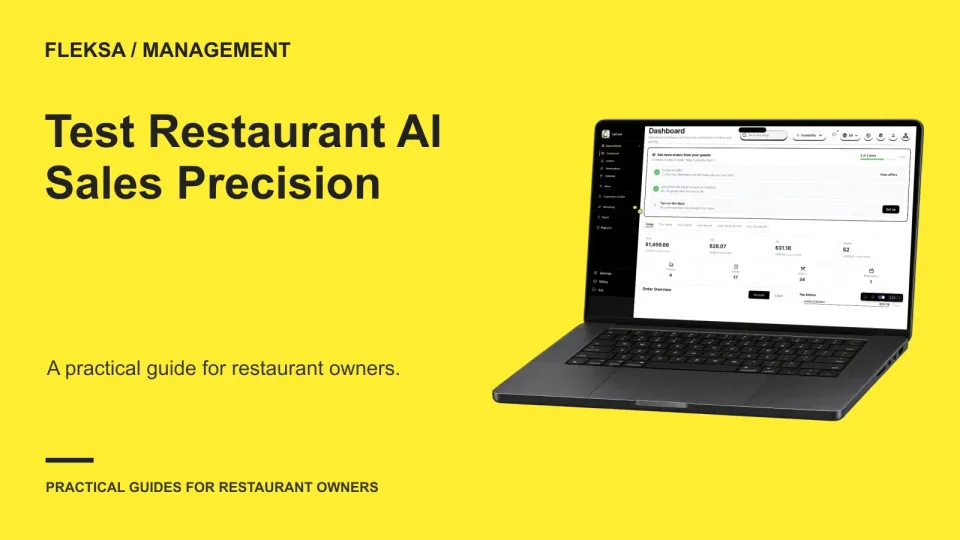
An AI assistant can make an estimate look like a settled sales total. Use this practical worksheet to test both values together, check the evidence behind the answer, and set a clear rule for rejecting unsupported figures.
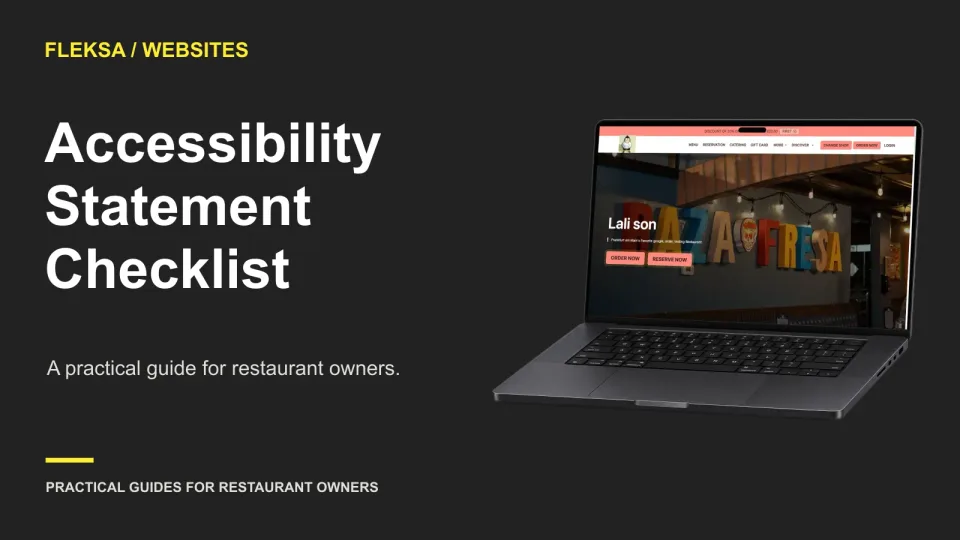
An accessibility statement should give guests useful information without promising more than your restaurant can support. Use this evidence checklist to define the pages reviewed, explain known barriers, and set up a contact path someone actually monitors.
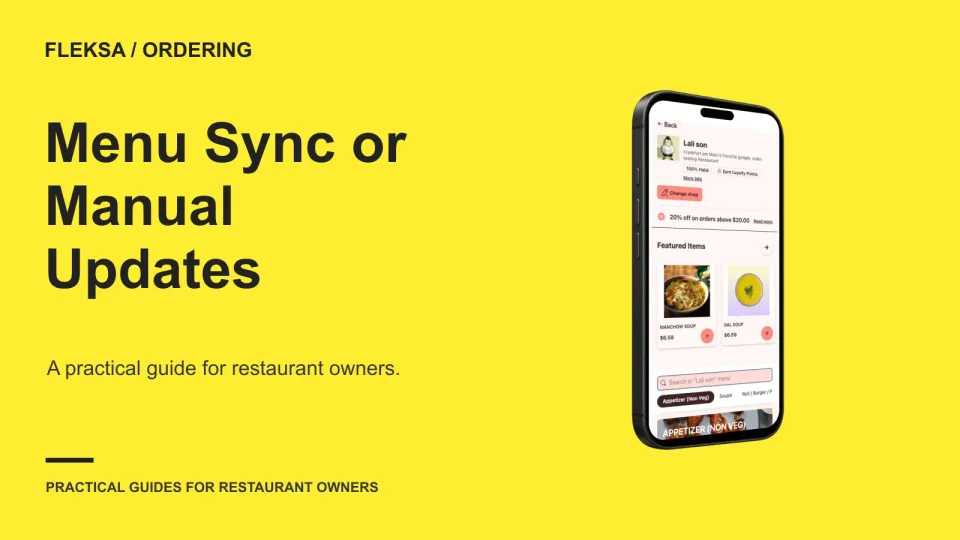
Automatic menu updates can reduce repeated work, but only if the right source controls the right fields. Use this decision matrix to compare synchronization with a separate online menu and plan checks for prices and availability.
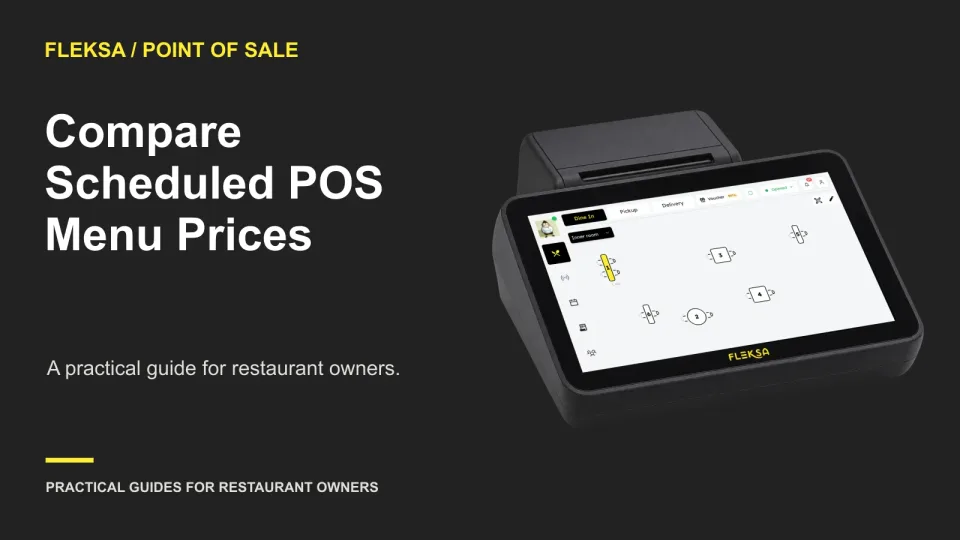
Scheduled prices can simplify a recurring promotion, but timing rules matter. Use a sample menu and boundary-time tests to compare what each POS charges, how it reports the sale, and who approves exceptions.
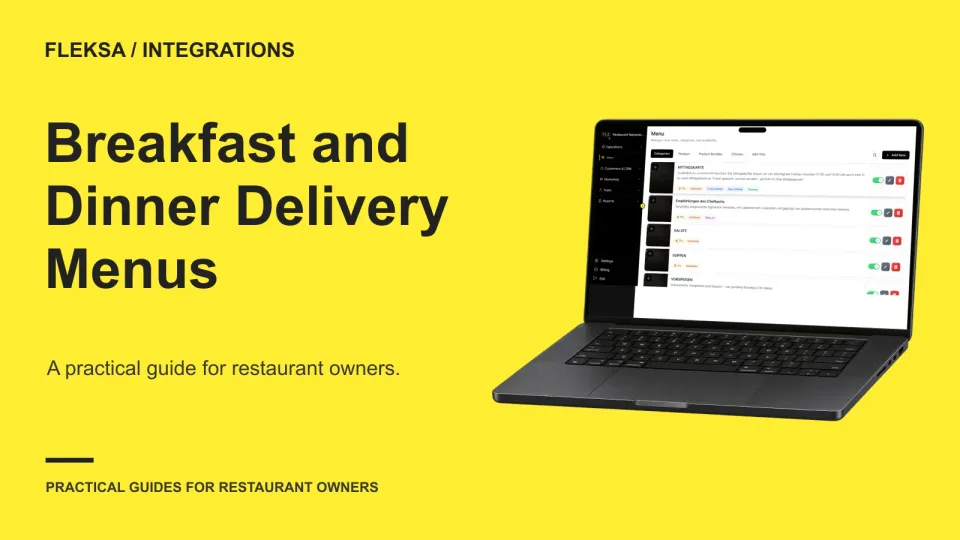
The right menu needs to appear on the right channel at the right time. Use a service-window grid, transition checks, and clear ownership to evaluate whether an integration fits your restaurant.
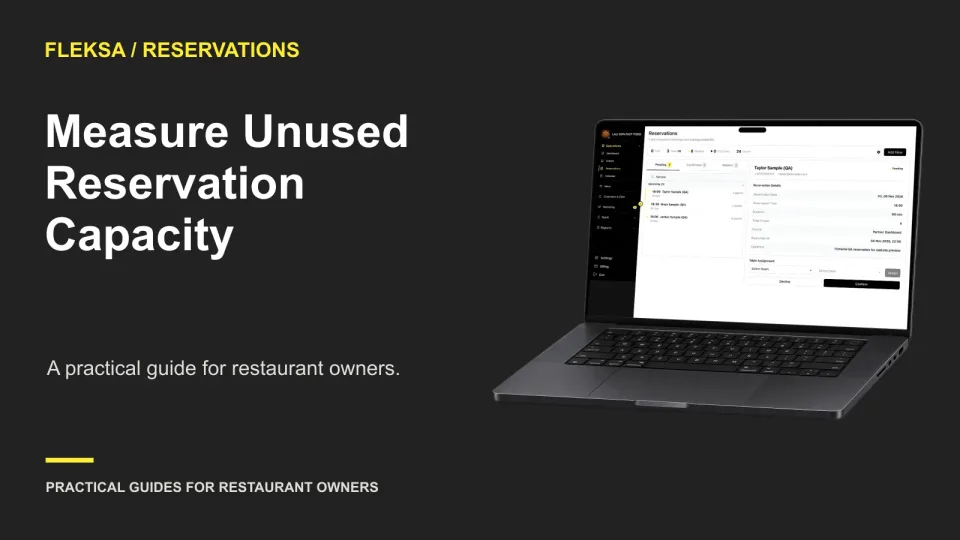
A half-empty four-top is not always a problem. Learn how to separate unavailable seats from usable capacity, compare two booking allocations, and decide whether a rule change is worth a controlled trial.
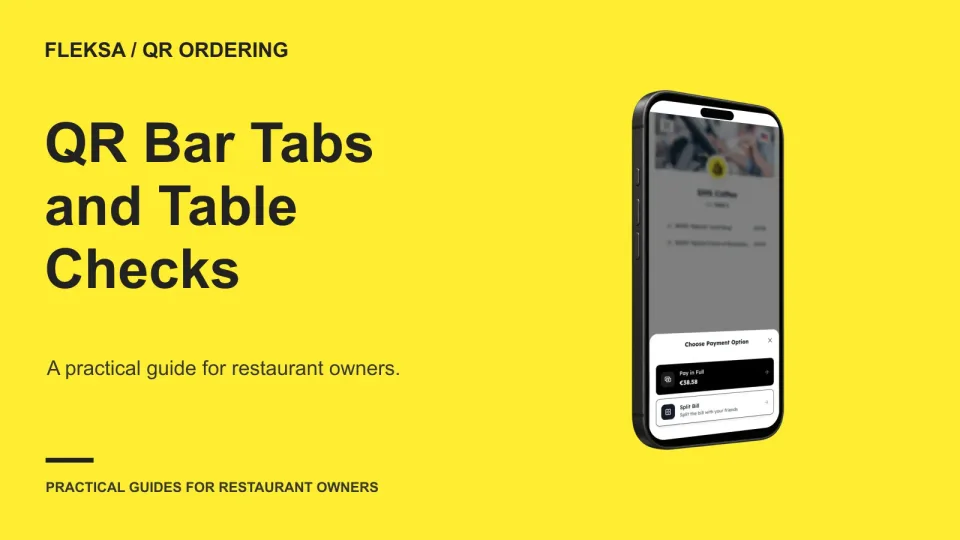
A QR code can identify a location, but that does not necessarily identify who owns a check. Use this worksheet to compare bar and table workflows, test a guest move, and set staff acceptance criteria.
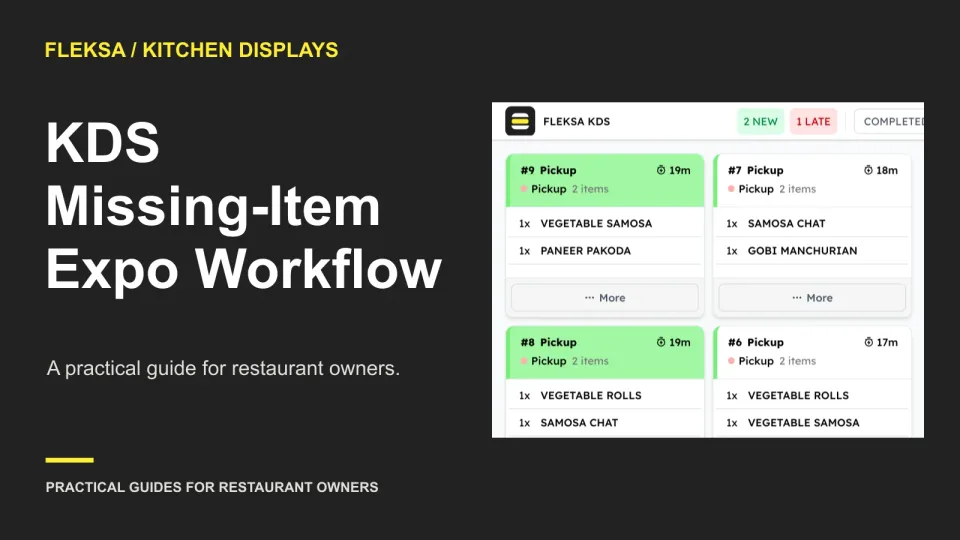
An order with two ready items and one unavailable item needs more than a completed-ticket screen. Use this worksheet to assess how a kitchen display keeps the hold visible, assigns guest contact, and records the final resolution.
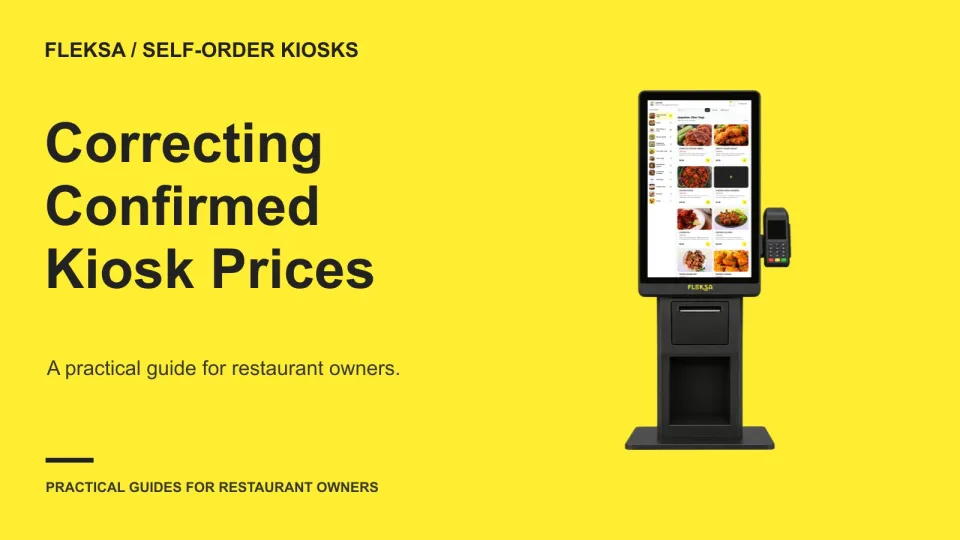
A wrong kiosk price can leave staff choosing between a partial refund and replacing an order. Use this worksheet to trace the guest conversation, approval, kitchen instructions and transaction record before selecting a workflow.
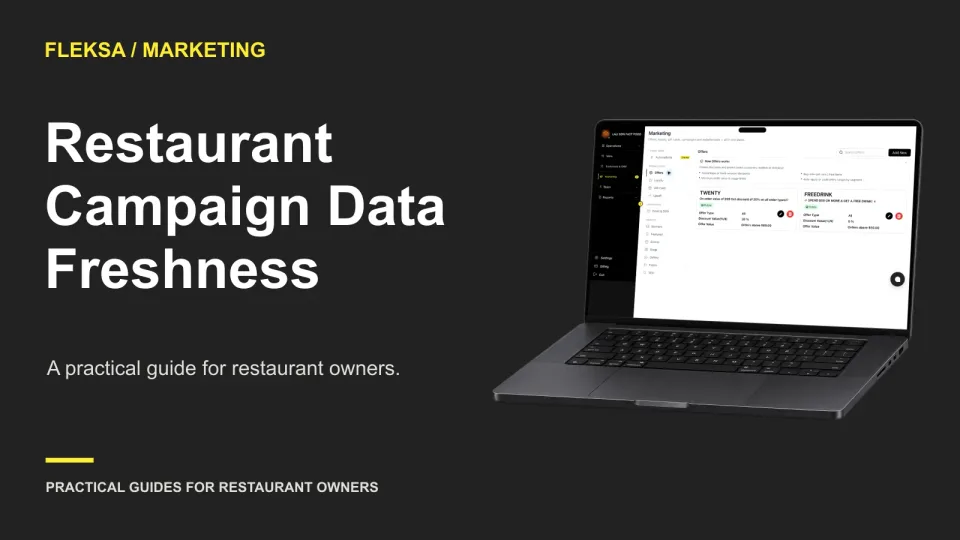
A timely promotion depends on more than a current contact list. Use this practical worksheet to set purchase and consent data limits, simulate last-minute changes, and decide whether to send or hold.
Page 42 of 94
Older articles for diners