Compare software, understand costs, and plan your next step.
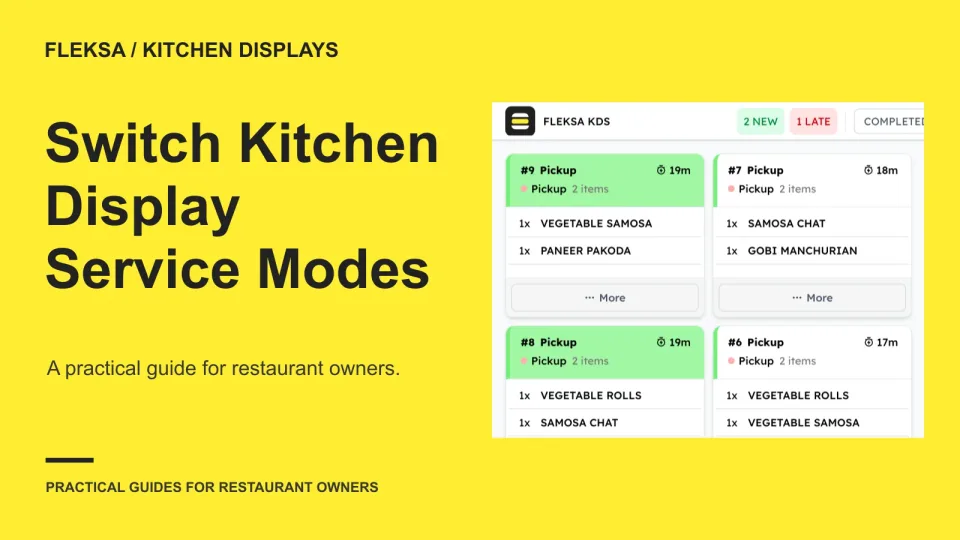
A lunch-to-dinner display change can hide unfinished work if stations or filters change. Use this practical worksheet and simulated open-ticket test to decide whether to switch configurations, keep one layout, or use a manual handoff.
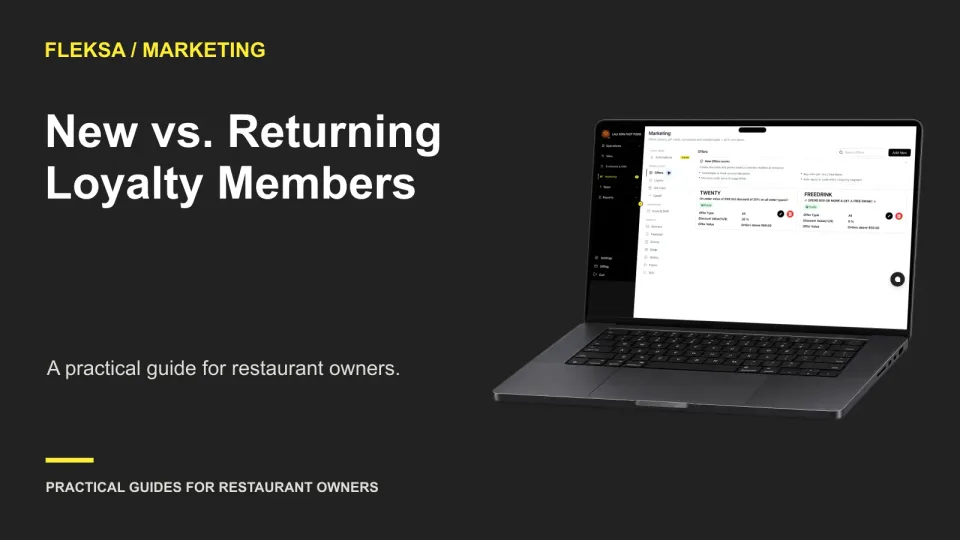
A growing loyalty list does not always mean more members are ordering again. Use this monthly worksheet to separate signups, active members, and repeat transactions, then test whether a vendor counts each active member only once.
Dining rooms and online ordering often close at different times. Give guests a clear answer on your website, explain temporary changes where decisions happen, and check that the ordering destination matches the notice.
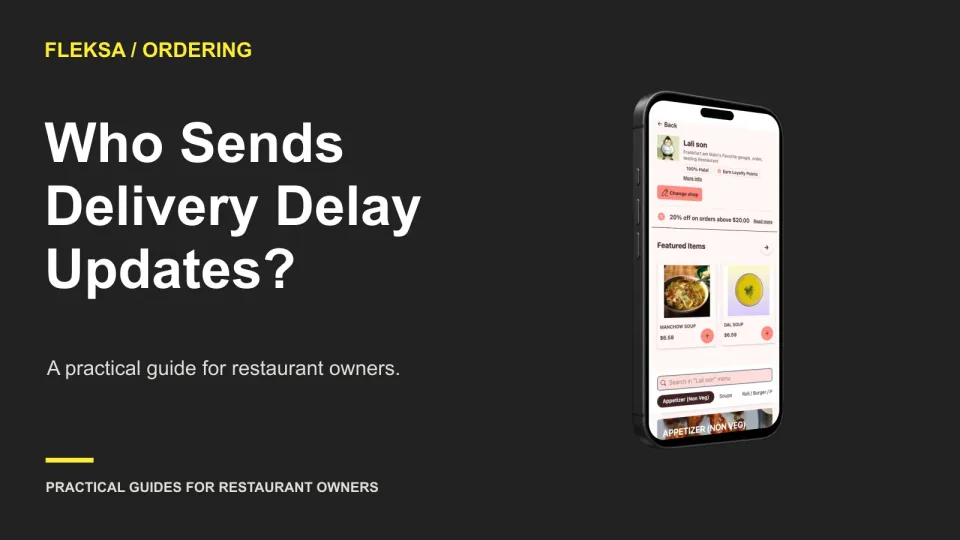
A late delivery needs one clear message owner and a reliable source of status updates. Use this practical matrix to divide responsibilities with your fulfillment partner and prevent conflicting messages.
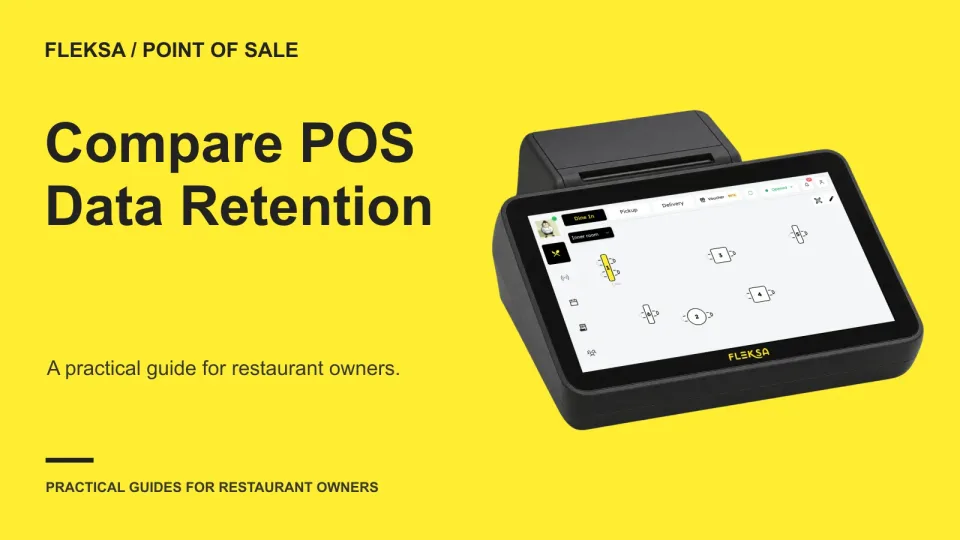
A POS may keep sales records longer than payment details or reports, and access can change when you leave. Use a retention matrix and a sample scenario to compare plan terms before your restaurant commits.
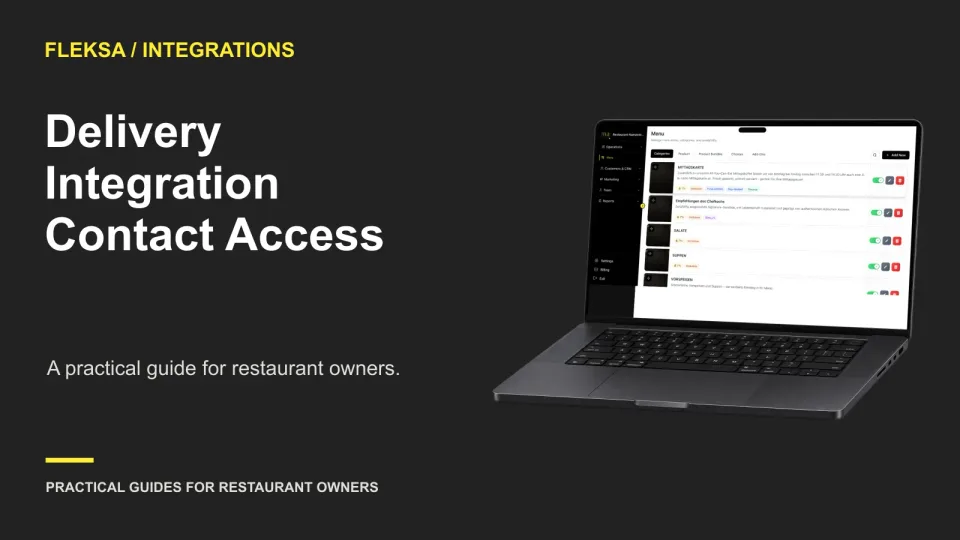
A delivery order appearing in your POS does not tell staff how to reach the guest. Use a contact-path matrix, safe simulations, and clear escalation owners to check what happens when an order needs attention.
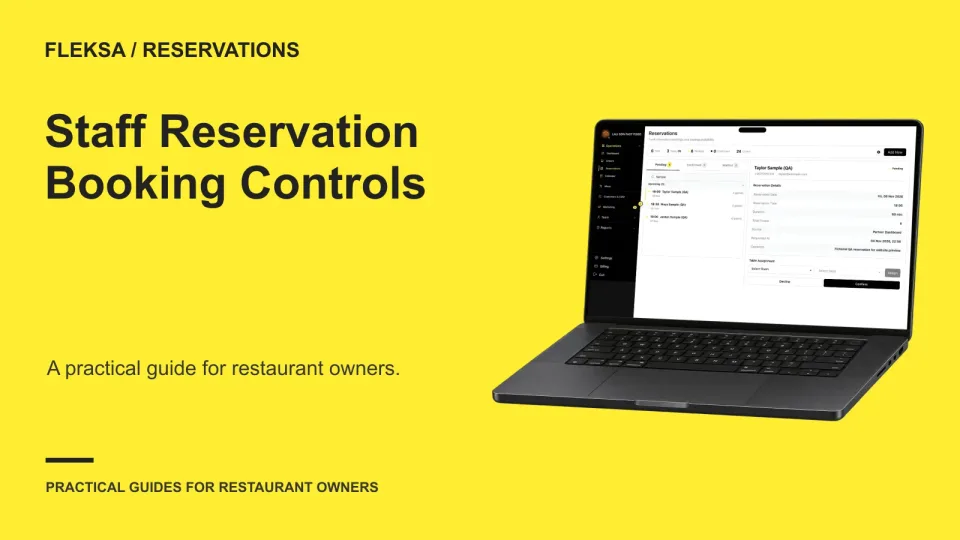
A phone reservation should receive the same care as an online booking. Use this worksheet to check what staff must record, how capacity exceptions are handled and who owns the next action.
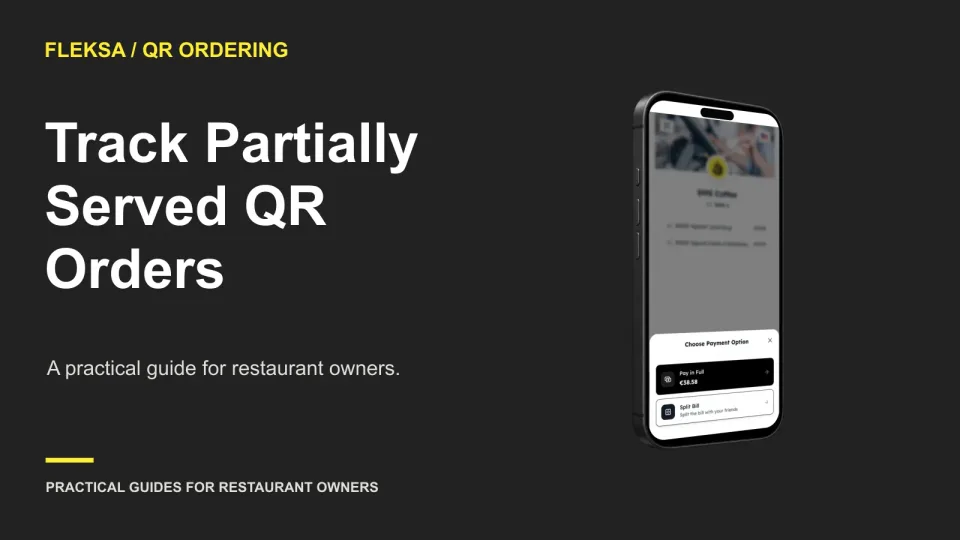
A QR order can be accepted without being fully served. Use this practical worksheet to compare item-level and whole-order views, test a delayed-item handoff and set a manual fallback when your system cannot track each item.
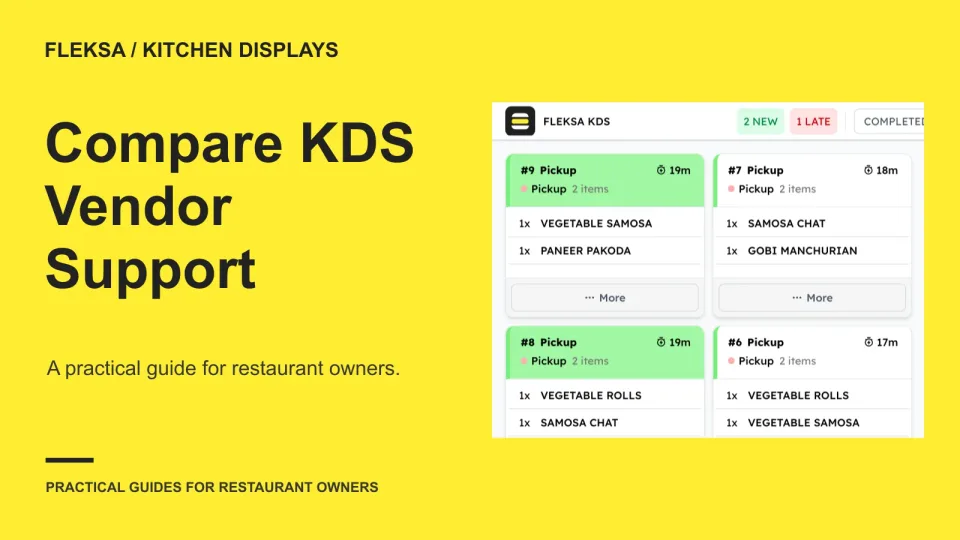
A KDS demo can show how tickets look, but support determines what happens when the kitchen cannot trust them. Use this scorecard to compare diagnostic history, peak-hour response and responsibility across vendors before signing.
When two guests split a restaurant bill, points can follow each payment, the whole check, or a staff allocation. Use this worksheet to compare the results, set a rounding rule, and test how disputes are corrected.
Two consolidated review rounds are a practical starting point for a restaurant website. Use this checklist to define what each round covers, which corrections remain the provider’s responsibility, and how unresolved issues affect acceptance.
Email and text serve different needs after a guest places a direct order. Compare reach, costs and consent, then build a fallback plan for messages that don't arrive without creating extra work for your staff.
Page 48 of 94
Older articles for diners