Compare software, understand costs, and plan your next step.
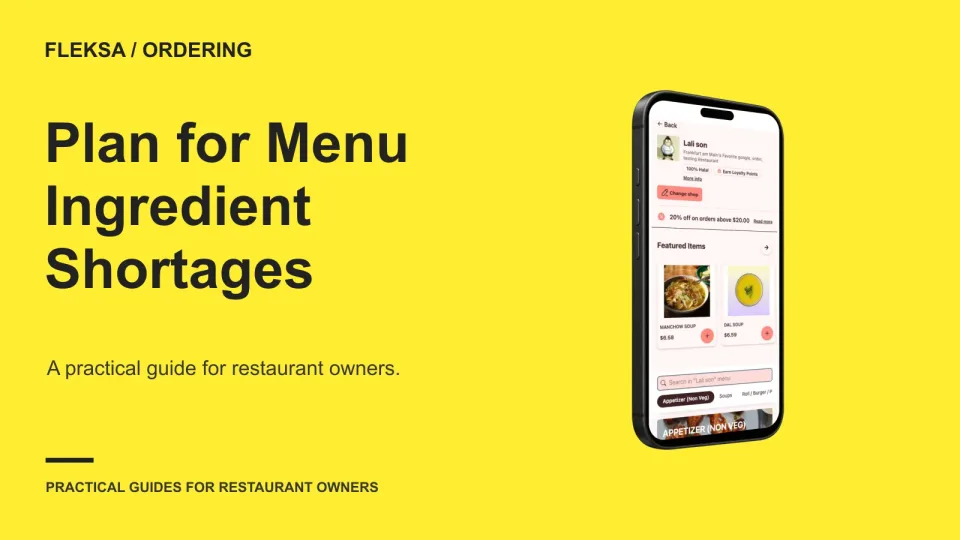
When several ingredients disappear during service, one sold-out button may not be enough. Use an order-impact matrix to decide what to pause, which accepted orders need attention, and who should contact guests.
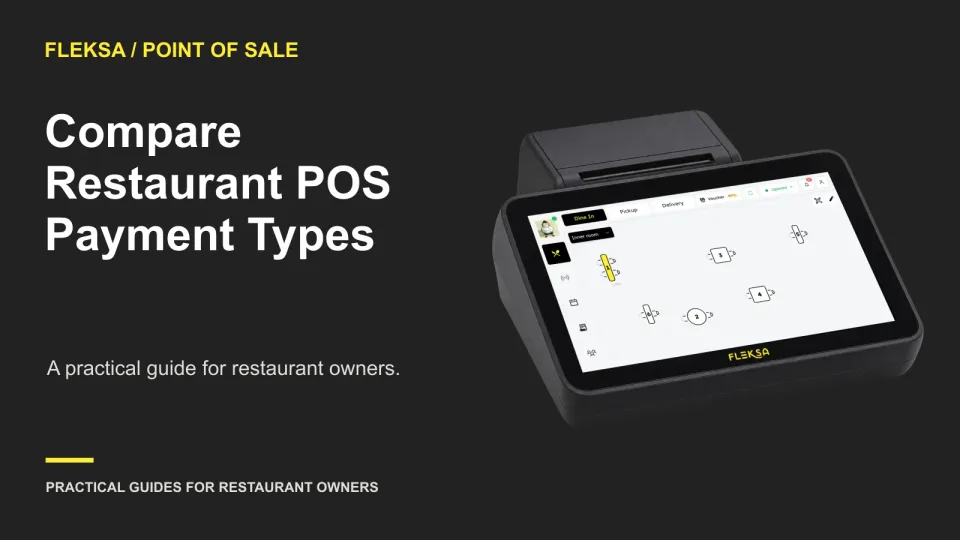
A payment button does not necessarily move money. Use this guide to compare tender setup, staff permissions and close reports before your restaurant accepts a payment method.
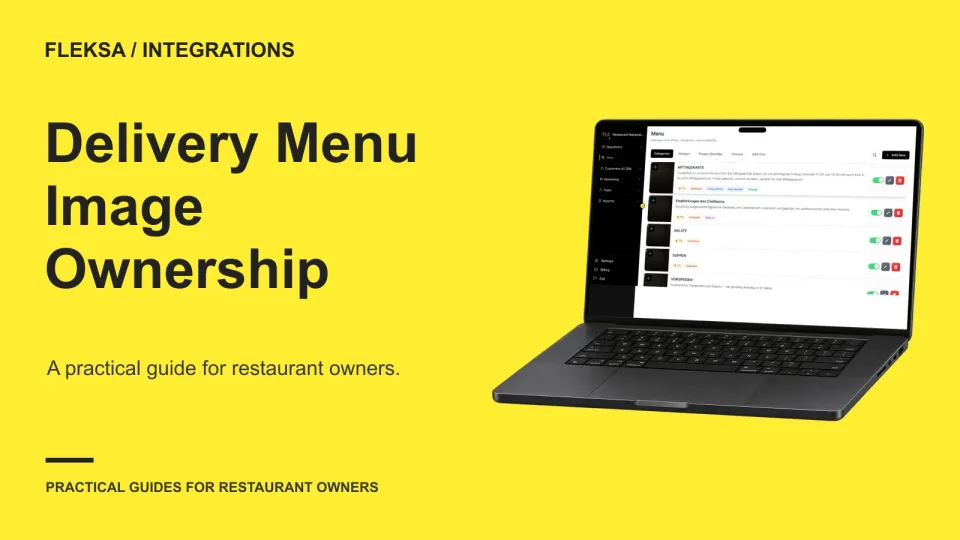
A menu item can reach a delivery channel while its photo does not. Use an image register and a safe test to identify the source of each image, spot rejection risks, and assign a fallback before rollout.
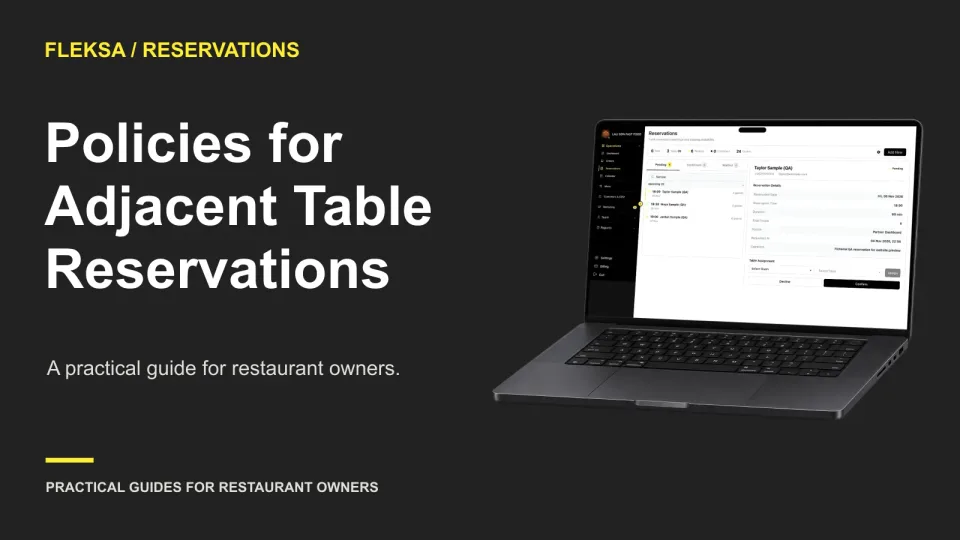
Two nearby tables can accommodate a party without pushing furniture together, but only if both tables stay available and guests understand the arrangement. Use this practical worksheet to set capacity limits, host approval rules, and booking tests.
A closed browser can leave a guest unsure whether dinner is on its way. Compare cart restoration with a fresh start, then use a practical acceptance test to check expiry, table identity, and staff handoff.
A manual points correction needs a clear reason, an authorized decision, and a record that can be checked later. Use this practical approval matrix and sample adjustment log to set controls that fit your restaurant team.
A redesigned restaurant website can look ready while its reports tell an incomplete story. Use this practical verification log to check changed URLs, key actions, consent settings, and reporting definitions before comparing results.
Before signing or renewing an online ordering contract, find out what happens to order and guest records after it ends. Use this practical questionnaire to compare access periods, deletion timelines, exceptions, and responsibilities.
A POS reference is useful only if their experience helps predict what your restaurant will face. Use these questions and a simple evidence sheet to check the match, probe implementation and costs, and follow up on unanswered questions.
A marketplace name change may leave the underlying location connection intact, but the visible label alone cannot prove it. Map the identifiers, check the order path, and agree on a safe test before approving a rename.
A reservation report can make a dining room look full when tables are actually blocked for staffing or repairs. Use this worksheet to separate physical capacity, guest bookings and operational blocks before choosing software.
Temporary seating needs its own table identities, a clear handoff for staff, and a plan for open orders. Use this practical worksheet to map event tables, check QR codes, and close out service without disrupting permanent tables.
Page 54 of 94
Older articles for diners