Compare software, understand costs, and plan your next step.
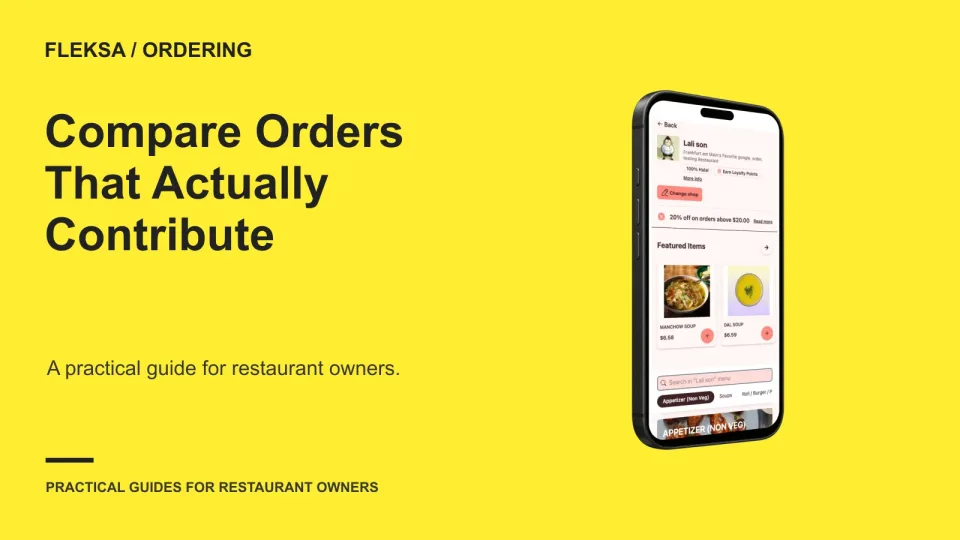
A lower fee does not automatically make an ordering channel more profitable. Compare completed orders after food, delivery, processing, and other costs, then account for volume and whether the orders are genuinely new.
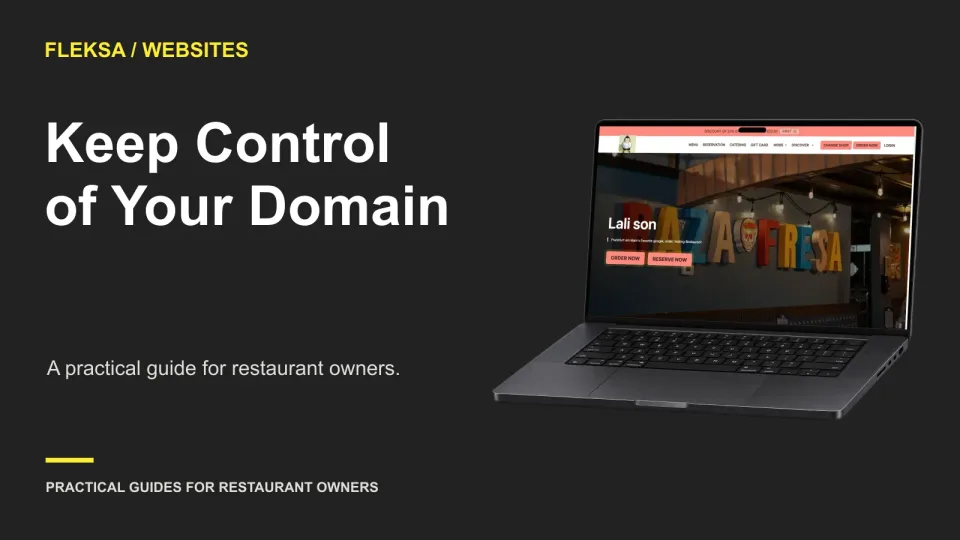
Your website vendor can manage your domain without controlling your restaurant’s future. Learn which accounts and contacts to keep, how to check renewal responsibilities, and what to agree on before a vendor relationship ends.
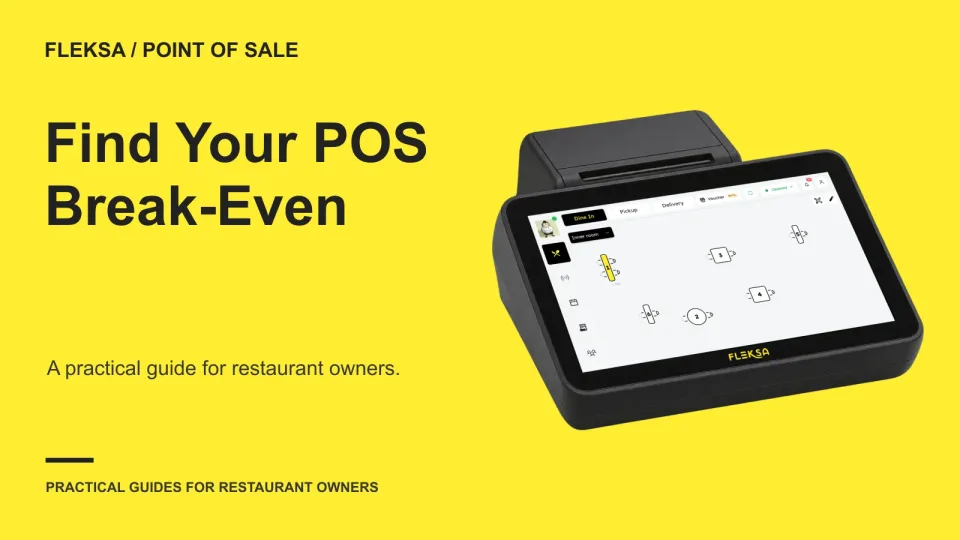
A POS with no monthly fee can cost more once processing charges add up. Use two written quotes, your card sales and transaction count to find the point where a subscription becomes the cheaper option.
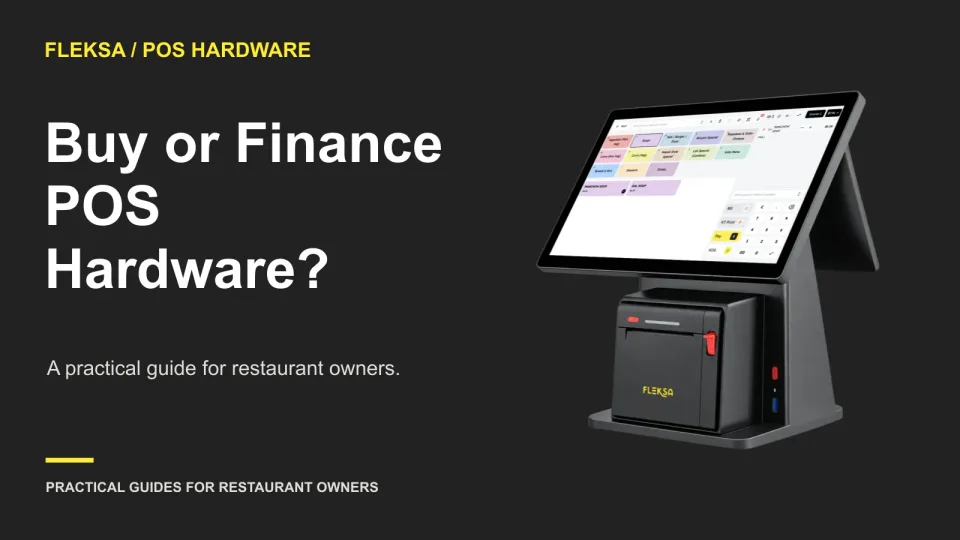
The lowest monthly payment is not always the lowest hardware cost. Learn how to compare a cash purchase with a financed bundle using the same contract period, device list, repair assumptions, and early-exit scenario.
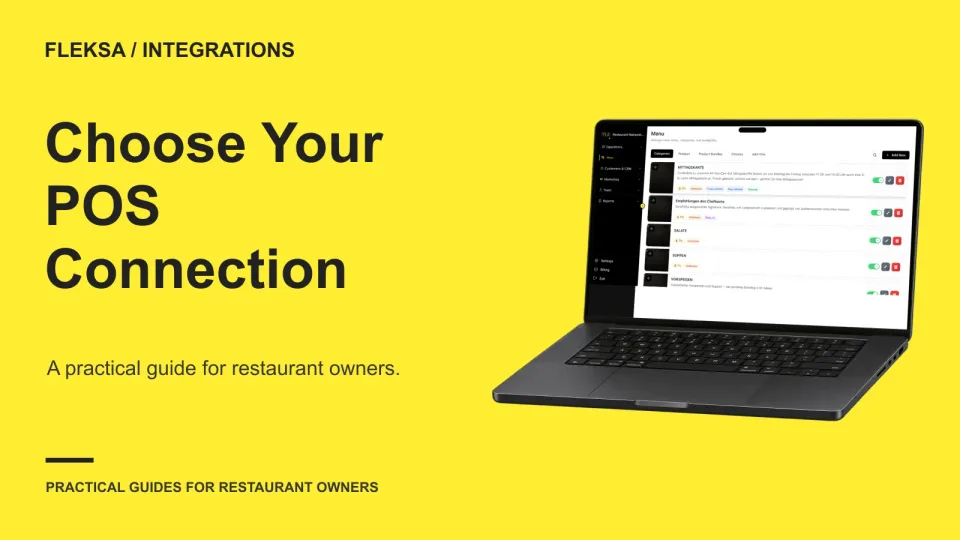
A direct connection can keep the path short, while middleware can coordinate several systems. The right choice depends on which data must move, who will fix failures, and what you can afford to change.
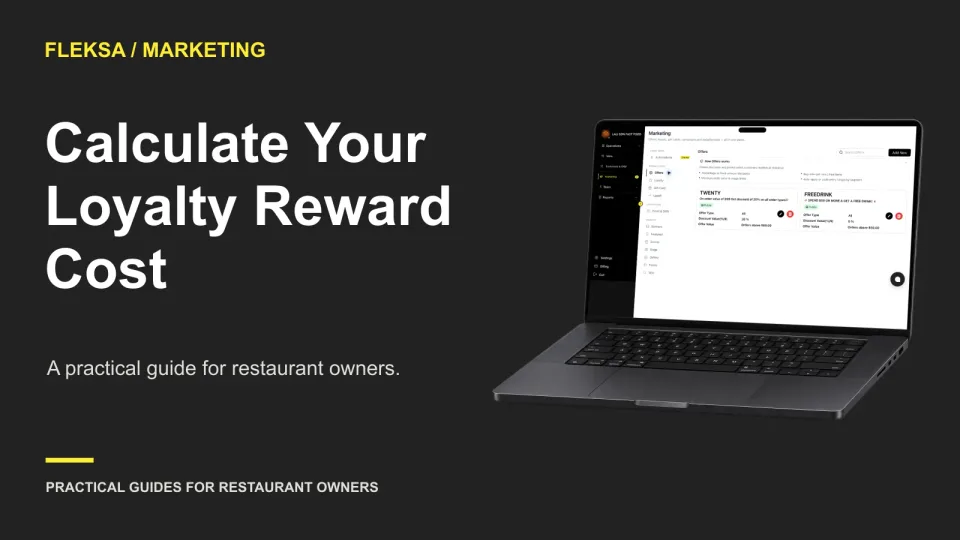
A loyalty reward can look inexpensive until more guests redeem it. Use this worksheet to calculate the cost per qualifying order, compare redemption scenarios, and decide when to review the offer.
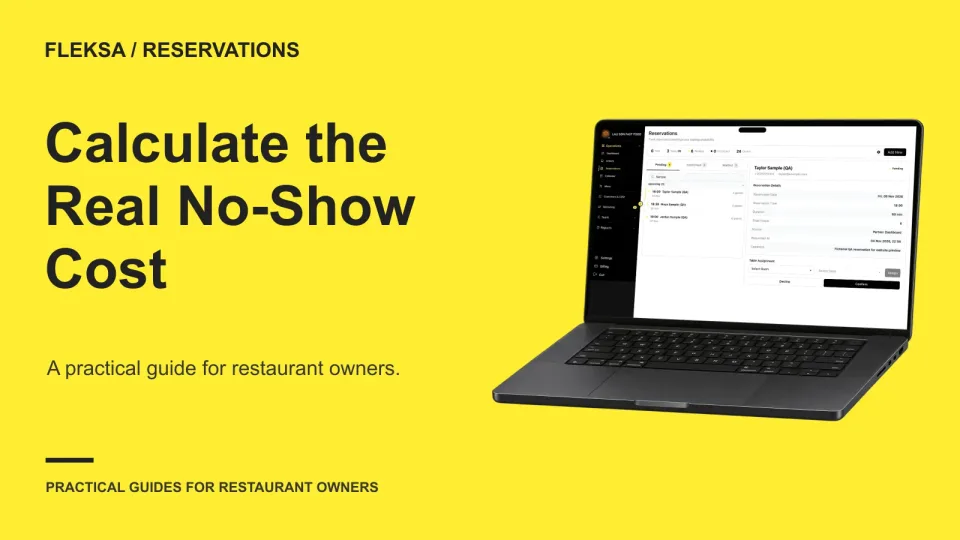
A missed reservation does not always cost the full value of the meal. Use this practical worksheet to estimate lost contribution, account for replacement diners, and decide which service periods justify a response.
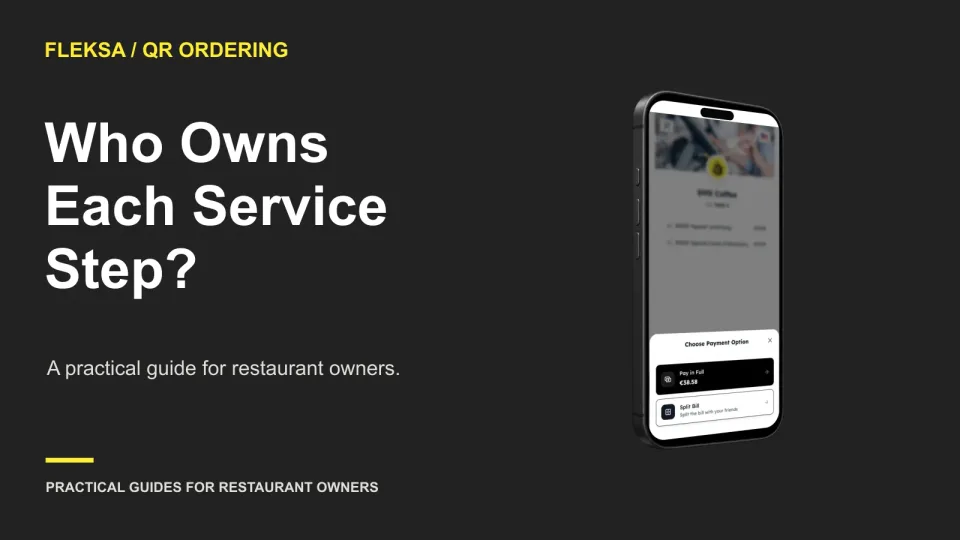
QR ordering can give guests another way to order, but it does not remove the need for a clear service plan. Use this worksheet to assign meal steps, protect staff handoffs, and choose a practical fallback.
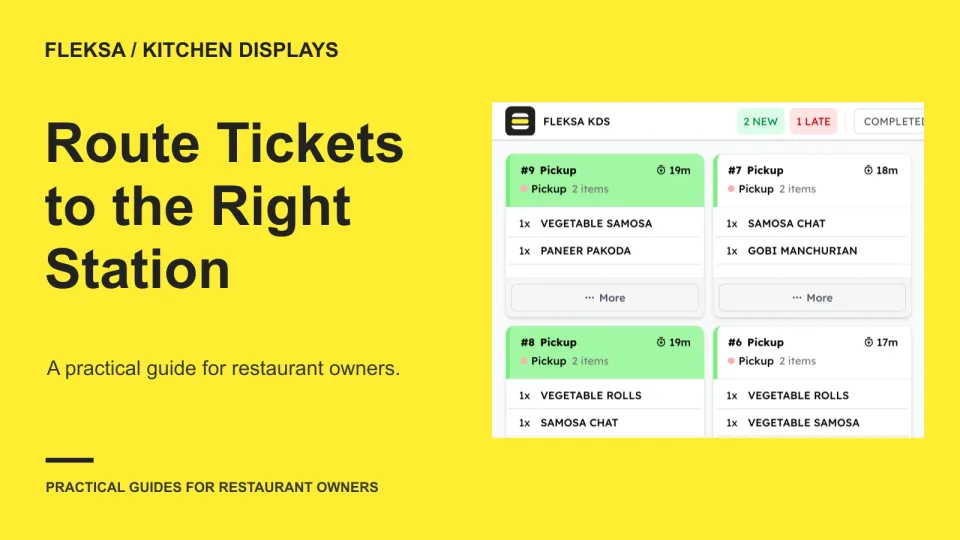
A good kitchen routing map sends each item to the people who need to prepare it. Use this practical worksheet to assign stations, check shared dishes and modifiers, and have cooks sign off before service.
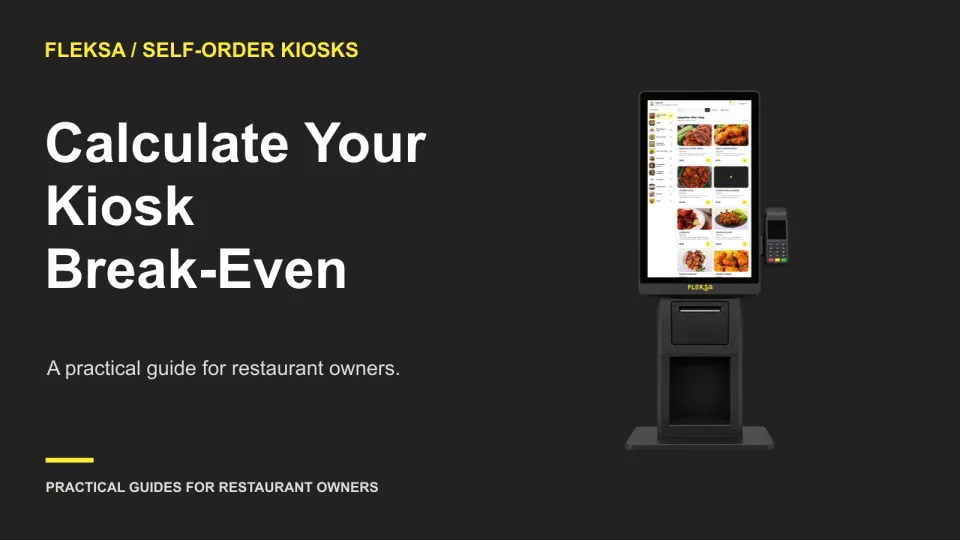
A kiosk can pay for itself through additional order contribution, actual labor savings, or both. Use this worksheet to separate those benefits from sales that would have happened anyway and time that staff simply spend elsewhere.
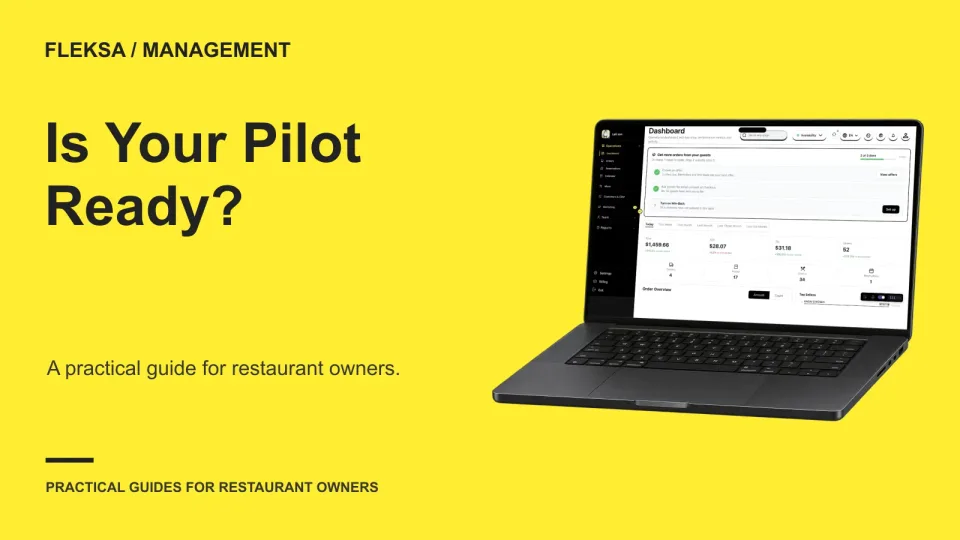
A pilot is ready for wider rollout only when the workflows your staff depend on pass agreed tests, the score meets your threshold, and critical failures are resolved. Use this practical scorecard to make the decision.
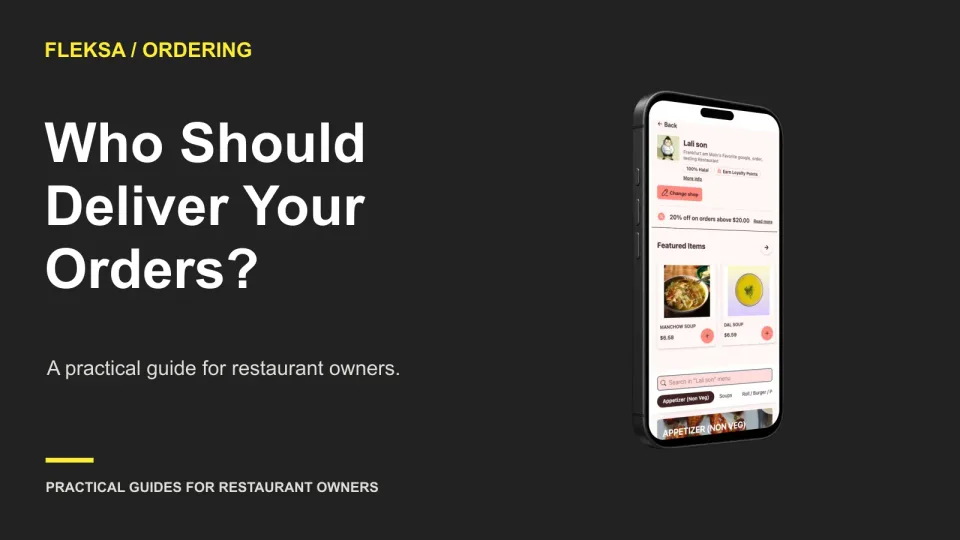
Your own drivers can make sense when delivery demand is steady enough to cover scheduled shifts. Outsourced fulfillment may fit uneven demand better. Compare the full cost per completed delivery, then test your decision against slow periods, peaks, and failed attempts.
Page 73 of 94
Older articles for diners