Compare software, understand costs, and plan your next step.
A new restaurant website is only part of the decision. Compare who makes changes, who controls the domain, and what each delivery model could cost over three years before signing a contract.
A POS contract can affect how easily your restaurant changes providers, keeps its equipment and retrieves its data. Use these questions to compare obligations, identify exit costs and prepare a useful review with your adviser.
An old POS terminal, printer, drawer, or payment reader may have a second life—but each needs a separate compatibility check. Use this practical device-by-device process to avoid surprise replacement costs and plan a safer switch.
When a POS and an ordering platform can both edit a menu, matching items is only the first step. Use a field ownership matrix to decide who controls prices, modifiers, names and availability—and what happens when updates collide.
A campaign can bring guests back without causing every return. Use a randomly selected holdout group, a fixed observation window, and a simple contribution worksheet to decide whether an offer earns its place.
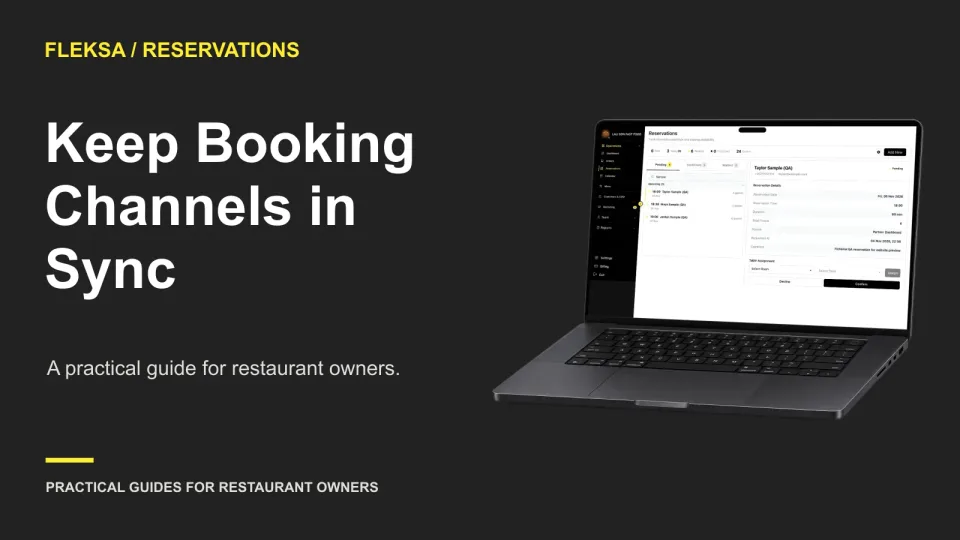
Before offering the same tables through multiple channels, identify the availability authority, map every booking entry point, and agree on a conflict response. Use this practical checklist to make ownership and reconciliation clear before service.
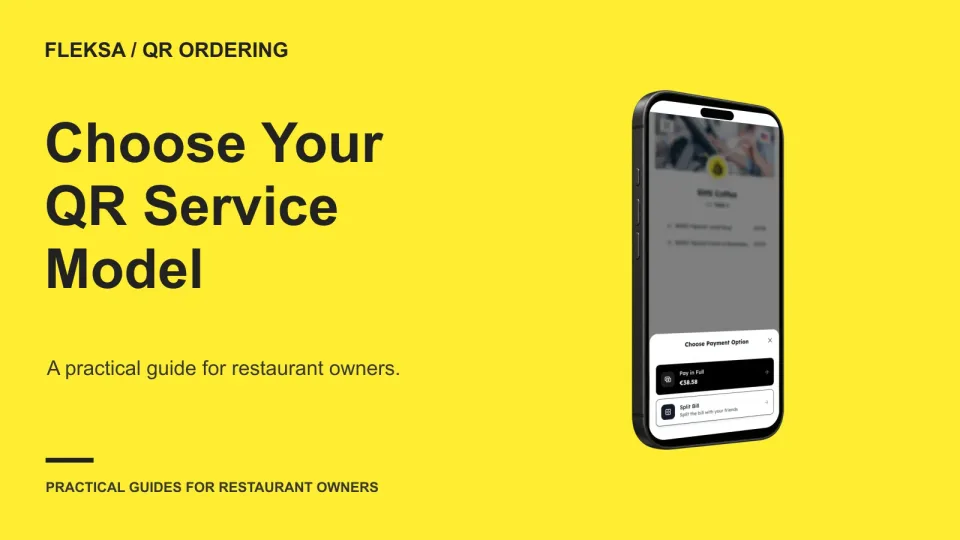
A QR menu gives guests something to read; QR ordering lets them submit an order themselves. Compare the staff responsibilities, payment handoffs, and service conditions that should guide your choice.
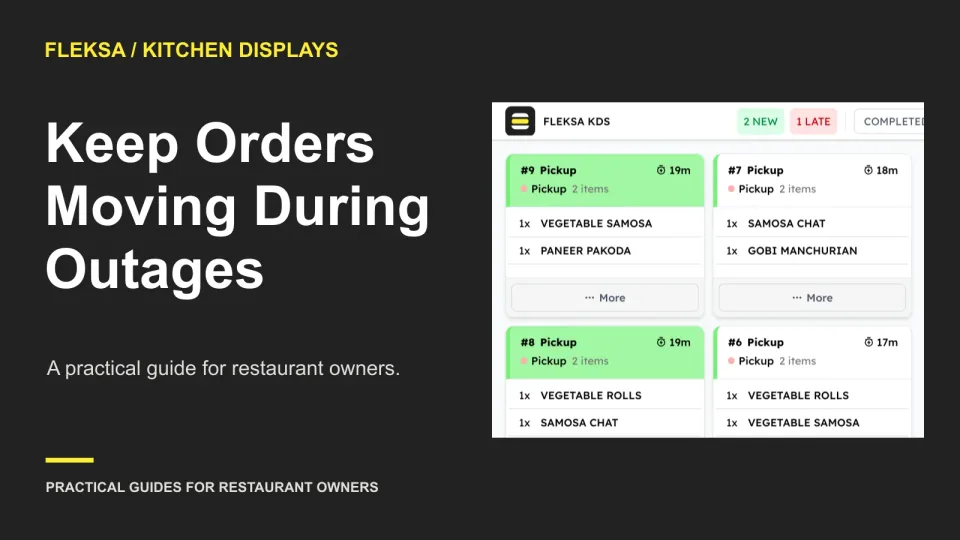
A failed kitchen screen does not have to stop service. Set a paper handoff, assign one person to control tickets, and reconcile each open order before returning to normal display operations.
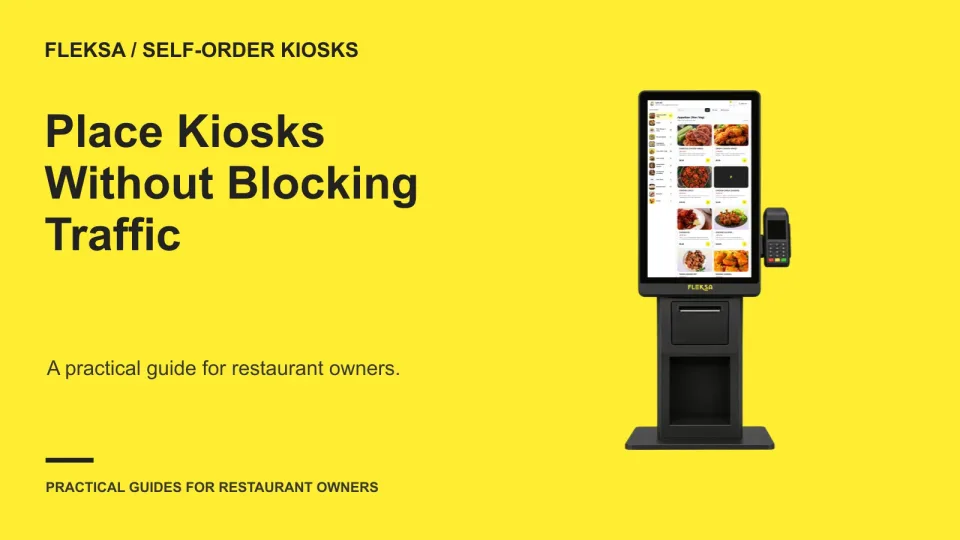
The best kiosk location is not always the most visible one. Map where guests arrive, order and collect food, then compare queue capacity and access before committing to power, network and installation work.
A sales report and a bank statement measure different things. Use this practical worksheet to trace a fictional batch from orders through settlement, account for refunds and fees, and spot differences that need a closer look.
A low monthly price can look different once a restaurant closes for the season. Use this 12-month worksheet to compare subscriptions, minimums, order fees and processing costs before signing an ordering contract.
Each restaurant location needs more than a name on a map. Use this practical inventory to decide which pages to create, what details to check, and who should keep ordering links, menus, and hours accurate.
Page 74 of 94
Older articles for diners