Compare software, understand costs, and plan your next step.
Should guests join your loyalty program before paying or after checkout? Compare the steps, first-purchase rules and staff workload, then use a practical worksheet to choose a pilot and handle guests who leave without identifying themselves.
A refund can reduce today’s transaction report even when the sale happened last week. Learn how to compare both periods, reconcile the difference, and check whether your reporting tools preserve the original order link.
The right receipt roll must fit the printer and be easy for staff to replace. Use this practical worksheet to check paper specifications, storage, exceptions and a timed roll-change exercise before service.
A missing menu page does not always mean your restaurant website is broken. Follow this diagnosis tree to check access, indexing signals and links, then gather the evidence a website provider needs to investigate.
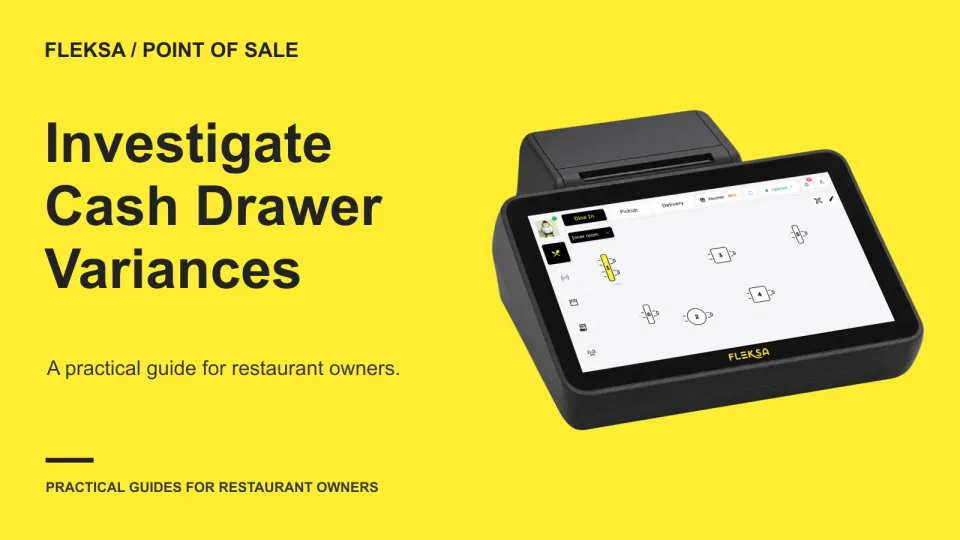
A cash drawer difference is a starting point for an investigation, not an explanation. Use this worksheet to rebuild the expected balance, trace movements and handoffs, and document what remains unresolved without jumping to conclusions.
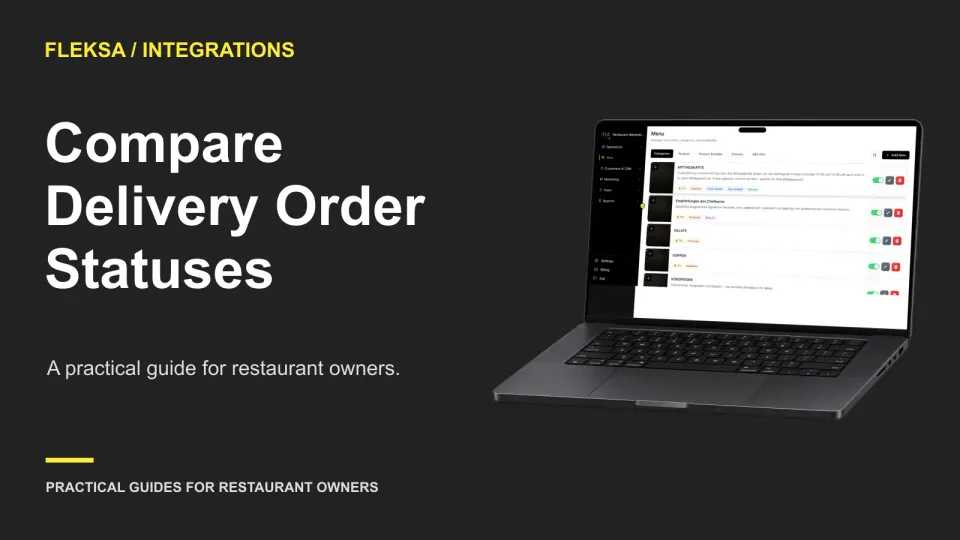
An order marked accepted in a marketplace may not be ready for the kitchen. Use a status translation table and a safe test to see what each system tells staff, where updates stop, and who handles a mismatch.
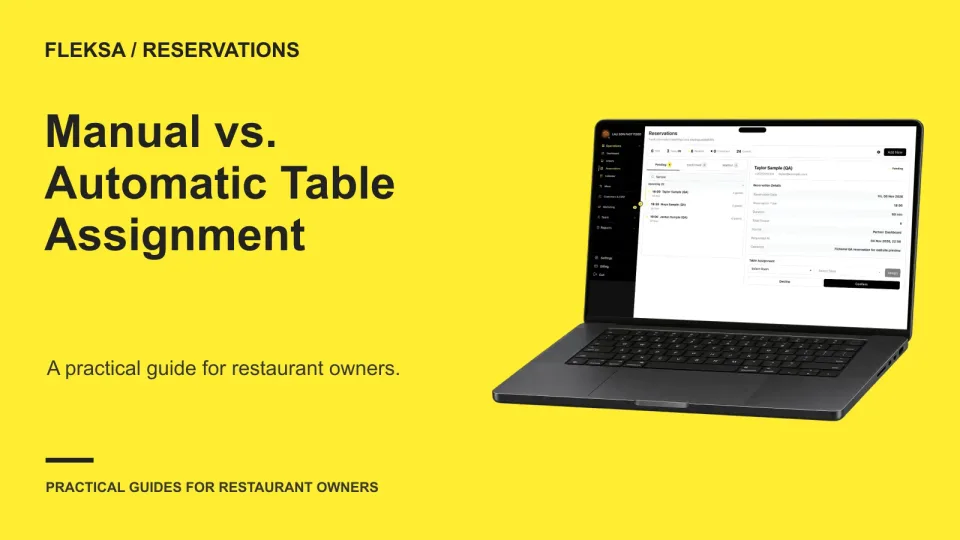
Automatic table assignment can reduce routine host work, but a suggested table deserves review when timing, seating needs or changing availability make the choice uncertain. Use this decision framework to set boundaries and evaluate reservation software.
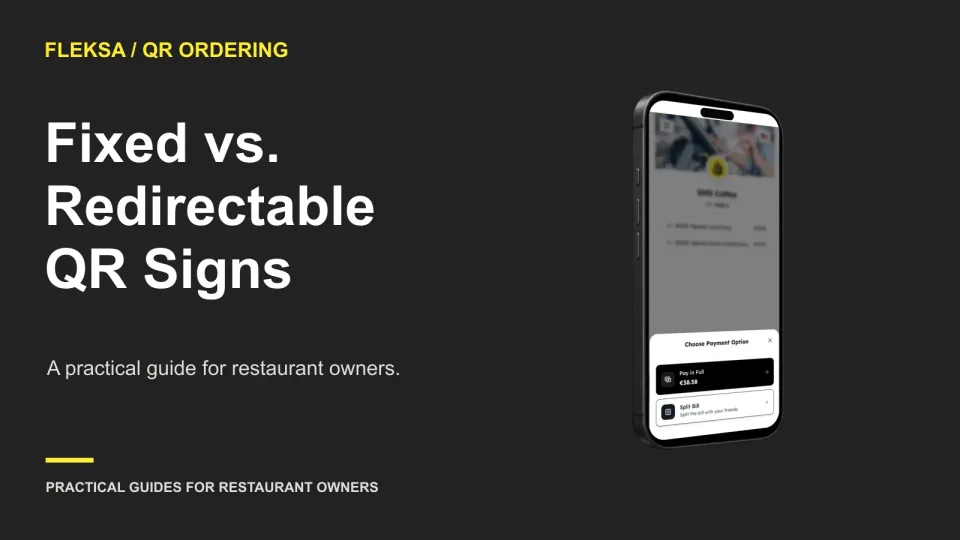
A QR sign can point straight to a destination or through a redirect you control. Compare the costs, table-identity risks, and vendor exit terms before deciding which approach fits your restaurant.
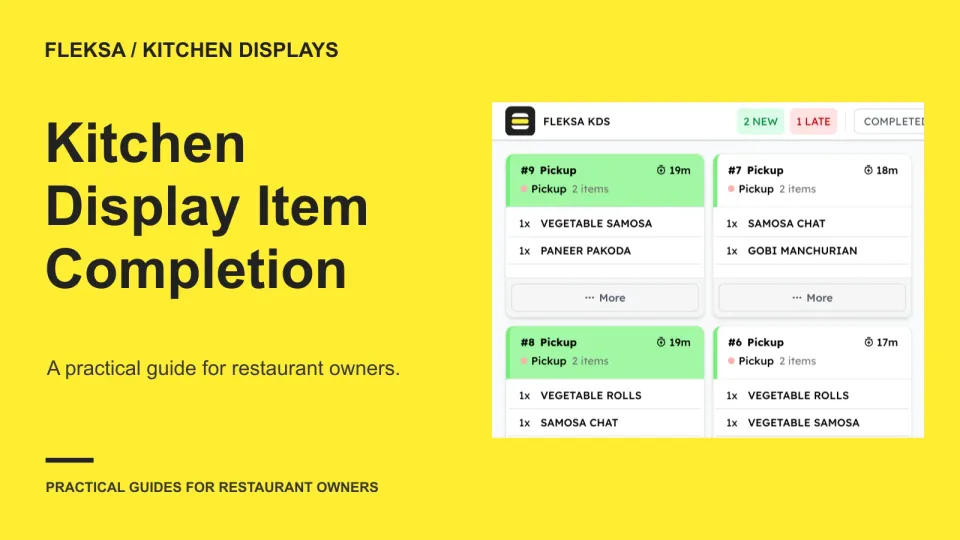
When one dish is ready before the rest of an order, the kitchen still needs a clear view of what remains. Use this practical worksheet to compare item-level completion, whole-ticket controls and recovery from an early mark.
A good kiosk help process tells guests how to get attention and gives staff a clear way to return them to their order. Use this practical handoff to check cart retention, payment status, and duplicate-order risks.
Before guests join your loyalty program, they should understand how to earn a usable reward and what can prevent redemption. Use this operator worksheet to compare signup screens, test exceptions and assign responsibility for fixes.
A free item and a fully discounted item can produce the same guest total but tell different operating stories. Use a simple classification rule, a worked report example, and a manager review to keep those stories separate.
Page 27 of 94
Older articles for diners