Compare software, understand costs, and plan your next step.
A good review can help a guest decide where to eat, but displaying it takes more than copying a compliment. Use this process to check permission, preserve context, document approvals, and retire claims that no longer fit.
Taking orders before the kitchen opens can help guests plan ahead, but only if your team can deliver at the promised time. Use this readiness timeline to set a safe first window and check the opening handoff.
A house account lets an approved customer purchase now and settle later, but the POS must make the balance traceable. Use this sample ledger and exception checklist to compare approval, spending limits, invoices, and payments.
A reopening date alone is not enough. Give guests accurate hours, a current menu, working action links, and clear directions. Use this checklist to assign owners and verify the site before and after service resumes.
An accepted order can still fail when an item runs out, the kitchen falls behind, or a delivery address cannot be served. Use a simple incident log to classify what happened, track the outcome, and decide what to fix first.
A menu price is only the start of the check. Use a mixed cart to compare expected totals, tax, receipts, and reports before choosing a restaurant POS or changing its pricing setup.
A promotion can end while its price still appears on a menu, banner, or ordering page. Use this checklist to assign removal, check regular prices, and keep a record of what changed.
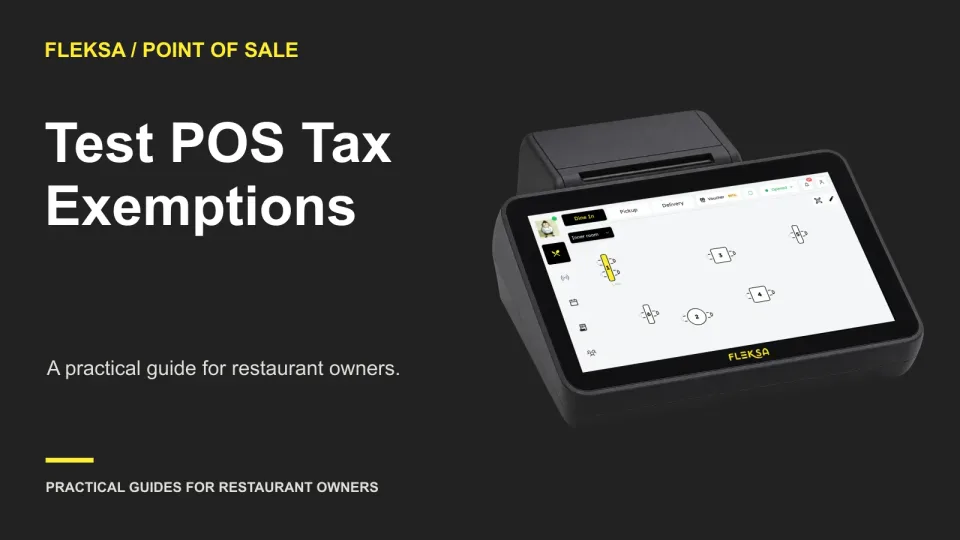
A tax exemption should affect only the items your restaurant has approved for it. Use this practical test card to check staff permissions, mixed-item receipts, documentation and reports before choosing or changing a POS.
A useful restaurant footer gives guests the essentials without repeating every page. Use this inventory to choose contact details, action links and policies, then test the footer on a phone and assign someone to keep it current.
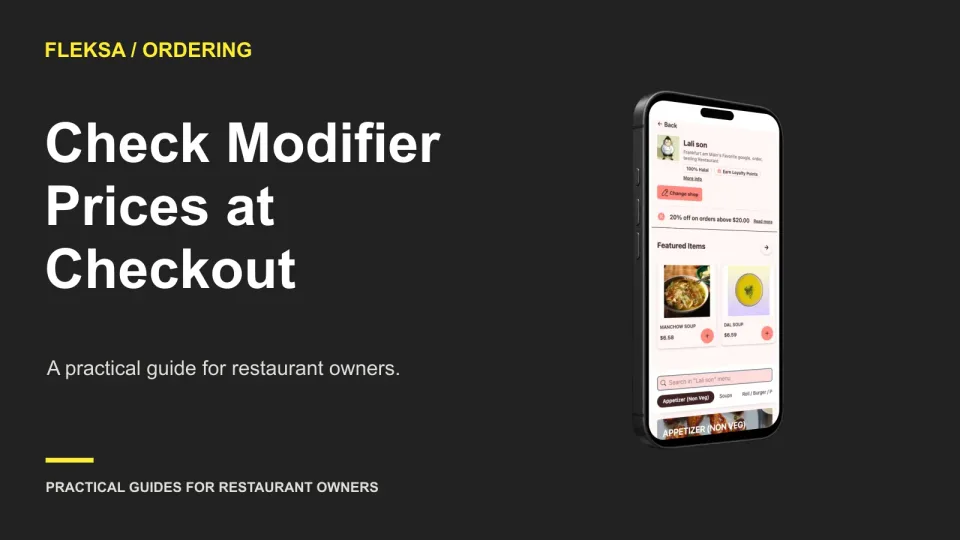
A correct base price can hide an expensive checkout mistake. Use this practical modifier audit to compare approved menu prices with direct ordering, calculate valid combinations, trace differences, and retest fixes without placing live orders.
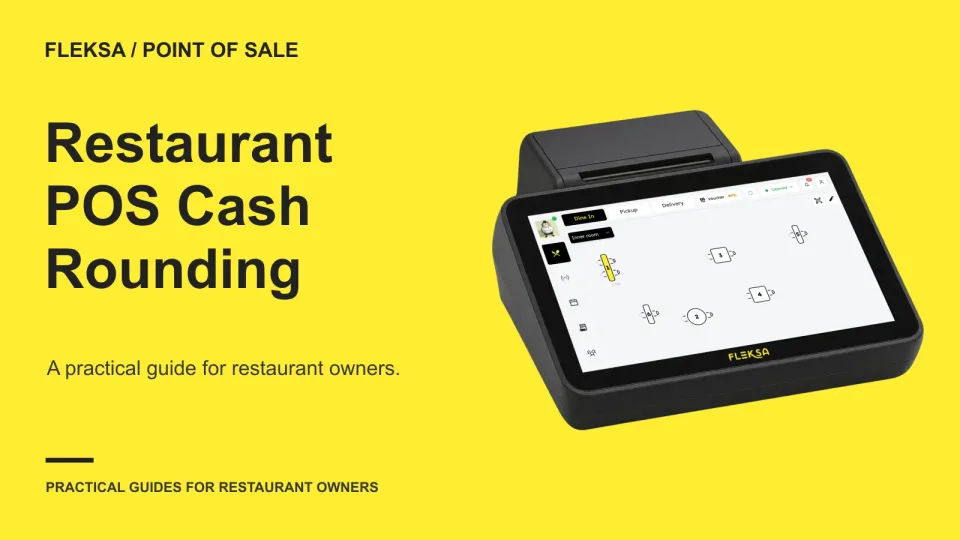
Cash rounding should change the amount collected for an eligible cash payment, not silently change the card price. Use a cents-based worksheet to check the payment screen, receipt, reports, refunds and exceptions before choosing a POS.
A restaurant website change should help guests finish a specific task. Choose one completion metric, check for errors and accessibility problems, and compare similar groups before deciding whether to keep it.
Page 61 of 94
Older articles for diners